Southwest’s Rainy Summers: A Double-Edged Sword in the Face of Climate Change
As the concentration of carbon dioxide in the atmosphere hit an unprecedented high of over 430 parts per million this May, the implications for ecosystems and human societies are profound. However, this environmental shift may hold a silver lining for those in the Southwest who enjoy summer rains.
Climate change has already begun to reshape summer conditions in the Southwest. Rising temperatures are causing moisture to evaporate more rapidly, resulting in drier soils and plants. This trend aligns with a broader shift towards a more arid landscape, and some climate models predict a long-term decline in the North American monsoon.
Despite this, increased temperatures lead to more water vapor in the air. Scientists have turned their attention to the Pliocene epoch, approximately three million years ago, when carbon dioxide levels mirrored those of today. During this period, the climate was warmer, and sea levels were significantly higher.
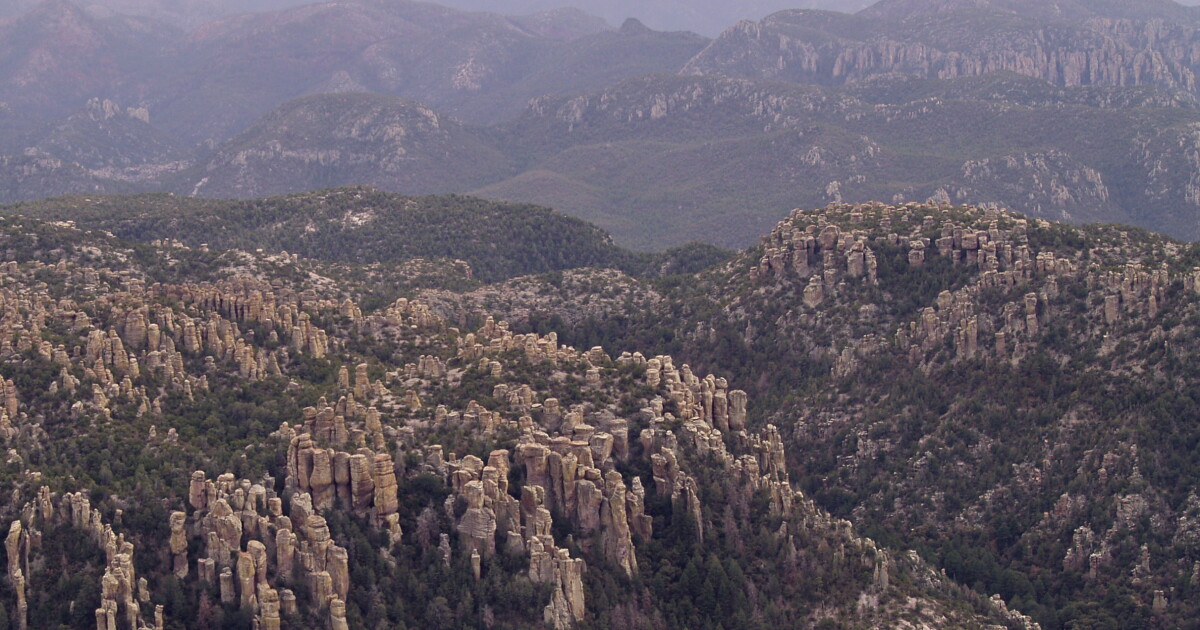
Research into plant remains from the Pliocene suggests that summers in the Southwest were notably wetter, supporting abundant vegetation. Many climatologists now theorize that we may be moving towards a similar climate pattern, characterized by heavy yet erratic rainfall that fosters summer greenery but also heightens the risk of severe flash floods.
This phenomenon could be likened to a “monsoon on steroids,” offering the benefits of summer rains while also posing new challenges due to the increased atmospheric energy.
This article was produced by KNAU in collaboration with the Sustainable Communities Program at Northern Arizona University, with insights by Peter Friederici.
—
Read More Arizona News