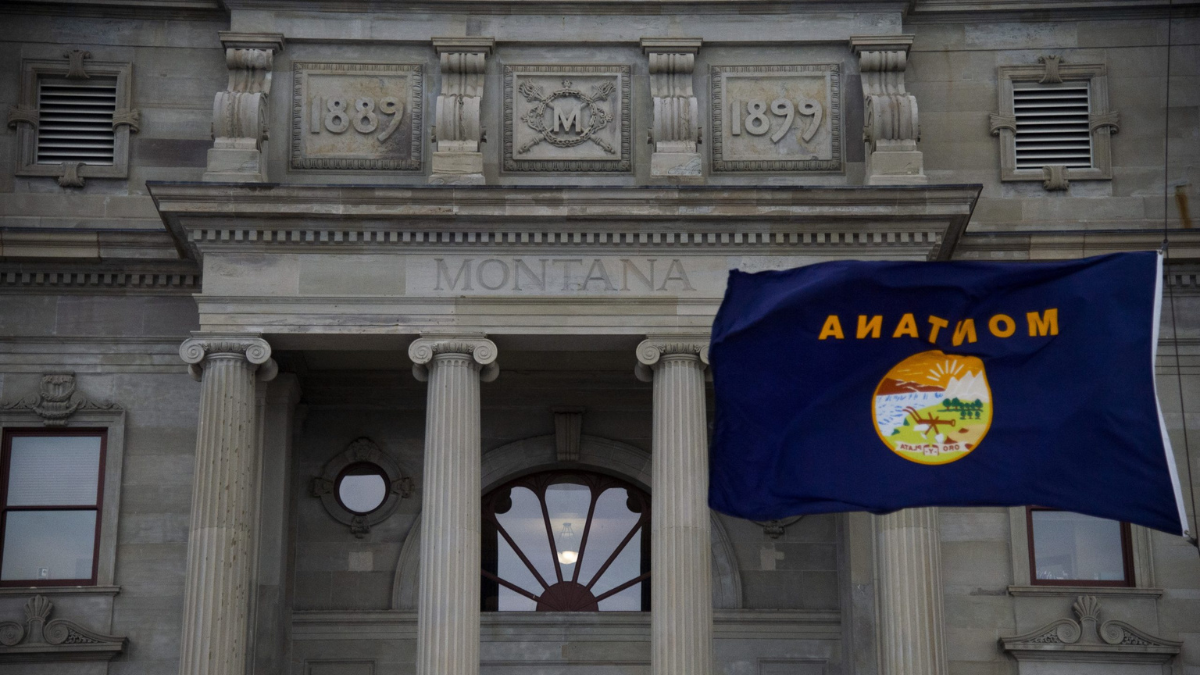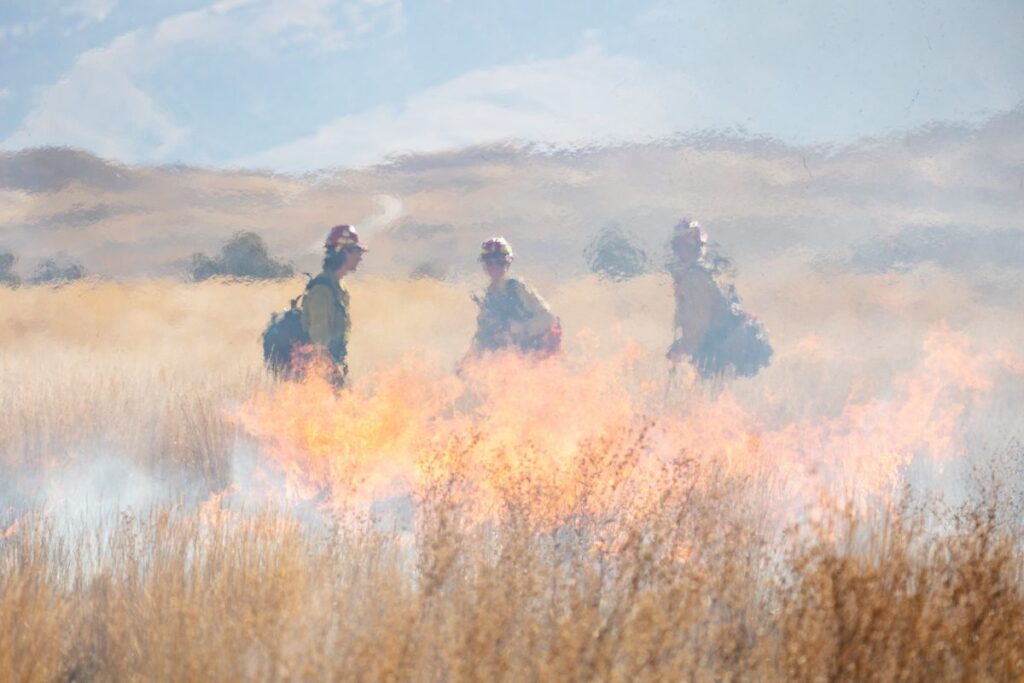
Montana, one of the most fire-prone states, faced 2,322 wildfires, scorching 352,491 acres last year, as per the Northern Rockies Coordination Center. Combatting these blazes involves extensive interagency coordination and leadership. Wildland firefighters endure intense heat and steep terrain, often working 14-16 day shifts to clear firelines and extinguish smoldering materials.
Joining Montana’s firefighting force requires meeting strict training and fitness standards. These standards are uniform whether battling forest fires for the U.S. Forest Service or rangeland fires for the Bureau of Land Management. Support personnel must earn their “red card,” a credential from the National Wildfire Coordinating Group (NWCG), ensuring they meet all criteria for fighting wildfires. This certification involves classroom learning on fire behavior and safety, completing an annual “pack test,” and demonstrating field skills.
Federal Firefighting Requirements
Federal firefighters, organized into specialized units like hotshot crews and smokejumpers, tend to tackle larger blazes. Workforce reductions from the Trump administration and the Department of Government Efficiency have impacted these federal forces, even though frontline firefighter roles remain intact. However, red card holders in other roles have seen employment changes.
State and Volunteer Firefighting
The Department of Natural Resources and Conservation (DNRC) employs wildland firefighters for responding to incidents on both public and private property. Like federal counterparts, DNRC firefighters face tough conditions. “You might be hiking down with a chainsaw and putting fires out without water,” says Dustin Lenz of DNRC. Applicants face competitive processes to join state forces, needing red card certification and additional qualifications.
Local fire departments offer a more accessible entry into firefighting. According to Lenz, “volunteer departments by far put out the most fires,” often containing them under 10 acres. This is crucial as over 75% of U.S. wildfires are managed at this size. DNRC opens applications annually in January, hiring around 150 seasonal positions.
Local Fire Departments
Local departments serve as the first line of defense against fires, with different pay structures: paid, volunteer, or mixed. Volunteering provides a flexible introduction to wildfire response, with roles ranging from hands-on fire mitigation to community outreach. Physical requirements like the NWCG pack test apply only to those seeking red card certification.
The Central Valley Fire District, covering 210 square miles in Montana, heavily relies on volunteers. Deputy Chief Jeff Hurley notes, “We have EMS-only volunteers, all-around volunteers, and rural volunteers.” Volunteers can pursue further training to become paid firefighters, or continue contributing as volunteers.
With over 470 fire stations and 350 volunteer departments, Montana’s volunteer fire departments face challenges in recruiting and retaining firefighters. Central Valley offers opportunities for training and advancement within the volunteer framework.
Other Firefighting Paths
Private contract crews, like Grayback Forestry, are active in Montana, responding to major incidents nationwide and working on forestry projects during downtime. This year has been busier, with crews attending multiple fire assignments, according to Grayback Forestry’s Bryan Wheelock. Other private entities include Rocky Mountain Fire Company and Wildfire Defense Systems, alongside aerial companies like Bridger Aerospace and Neptune Aviation.
Currently, Montana sees 56 active fires, with 17,600 acres already burned this year, highlighting the need for robust firefighting capabilities across state, federal, local, and private sectors.
—
Read More Montana News