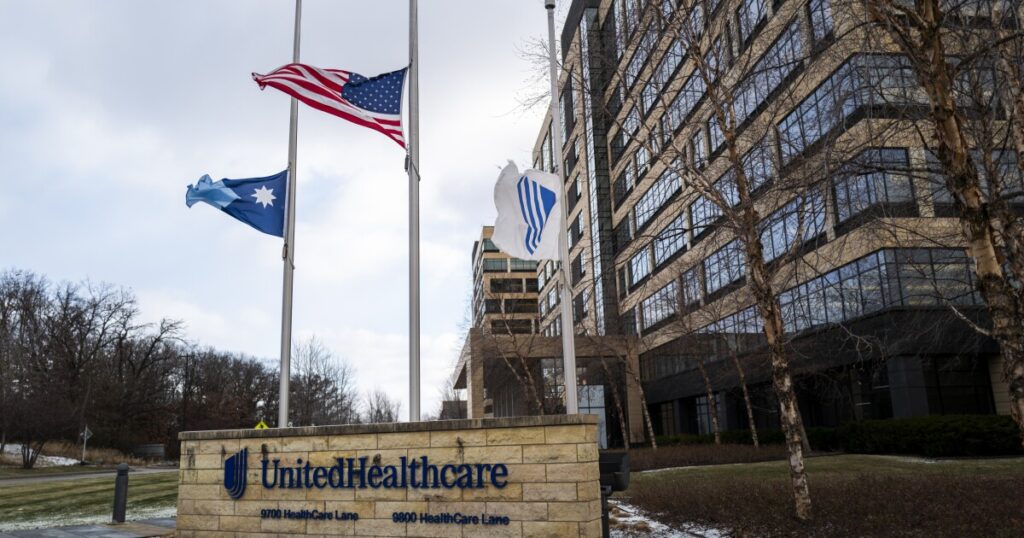
In the aftermath of a tumultuous year, the U.S. health care system finds itself at a critical juncture. The tragic event of UnitedHealthcare’s CEO being shot and killed a year ago has amplified the sector’s persistent issues, unveiling a crisis that affects both consumers and businesses.
The affordability of health insurance is slipping out of reach for many Americans. The anticipated hike in costs for both Obamacare and employer-sponsored plans looms large, as America already boasts the highest health care costs in the developed world.
Despite rising expenses, the financial health of companies and investors in this sector is also under threat. UnitedHealth Group, a key player in the market, has seen its shares plummet by 44% over the past year, reflecting the wider financial challenges facing the industry. “UnitedHealth’s reputation in the investment community, before December 4 last year, was [as] a safe place to put your money. And that basically got all blown up,” notes Julie Utterback, a senior equity analyst at Morningstar.
Dec. 4: A Turning Point for U.S. Health Care
The shooting of UnitedHealthcare CEO Brian Thompson on a Manhattan street marked a significant moment, sparking public outrage over rising costs and denied claims. This incident not only triggered a public relations crisis for UnitedHealth but also highlighted existing systemic issues now under regulatory scrutiny.
Analysts like Michael Ha from Baird foresee ongoing volatility in the sector, as reflected in the performance of health care stocks, which have lagged behind the overall market. Katherine Hempstead of the Robert Wood Johnson Foundation describes the situation as an “inflection point,” noting that every segment of the health insurance industry is currently “stressed”.
Rising Costs and Consumer Impact
The expiration of Affordable Care Act subsidies at the year’s end threatens to increase premiums for 24 million people, with another 154 million facing higher costs for employer-sponsored plans. Factors driving these increases include costly new medical treatments, a post-pandemic surge in doctor visits, and market consolidations that allow for pricing power.
As nearly half of U.S. adults anticipate they will struggle to afford necessary health care next year, stories like that of Jennifer Blazis from Colorado Springs become increasingly common. “We wait to go to the doctor because we know if we do, we’re going to get hit with just a massive bill,” she shares, despite having a comprehensive insurance plan.
Financial Struggles of Health Care Giants
Even large insurers like UnitedHealth are grappling with the financial pressures of rising costs, particularly within their Medicare Advantage businesses, which now face regulatory challenges and a Department of Justice investigation. In response, UnitedHealth is seeking to divest itself of one million Medicare Advantage patients while aiming to restore its former stature.
UnitedHealth’s Chief Financial Officer, Wayne DeVeydt, expressed a desire for the company to regain its former momentum. Meanwhile, Warren Buffett’s Berkshire Hathaway’s recent investment in UnitedHealth indicates some investor confidence in a recovery, albeit with a long road ahead.
Investor Outlook on Health Care Stocks
Historically deemed “defensive” stocks, health care investments are now overshadowed by broader market performance, though recent concerns over the AI bubble temporarily boosted their appeal. Julie Utterback suggests that while health care stocks are currently undervalued, patience will be essential for investors aiming for long-term gains.
Copyright 2025 NPR
“`
—
Read More Michigan News
![Jody White’s Unconventional Michigan Supreme Court Candidacy Explored[embed]https://www.youtube.com/watch?v=8NfxFIPE4ac[/embed]](https://www.kitchentablenews.org/wp-content/uploads/2026/10/Jody-Whites-Unconventional-Michigan-Supreme-Court-Candidacy-Exploredembedhttpswwwyoutubecomwatchv8NfxFIPE4acembed.com2F842F0e2Fc7223daa43c9876b36a4e00773a42Fme-supc.png "Jody White’s Unconventional Michigan Supreme Court Candidacy Explored[embed]https://www.youtube.com/watch?v=8NfxFIPE4ac[/embed]")