Arizona Governor Pushes for Middle-Class Tax Relief Amid Legislative Debate
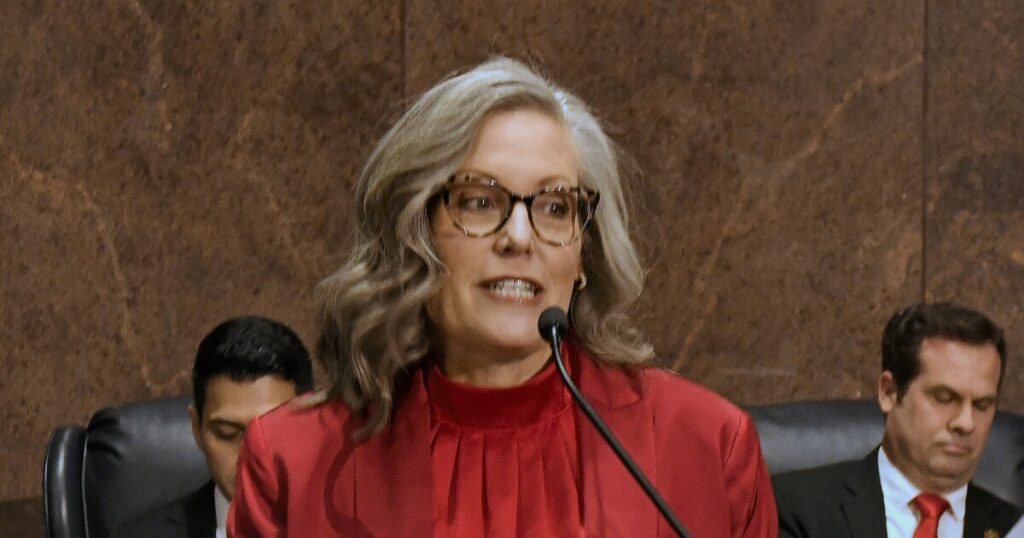
As she nears the end of her first term, Governor Katie Hobbs is advocating for tax cuts aimed at easing financial burdens on Arizona’s middle class. However, this proposal is met with resistance from the Republican-majority state Legislature, which seeks broader tax reductions.
Hobbs’ plan includes elements from the federal tax cuts passed under President Donald Trump, such as raising the standard deduction and exempting tipped wages from taxes. “We can put more money in the pockets of Arizona families — money that will help them put food on the table, care for their children, and pay their utility bills,” Hobbs stated during her State of the State address.
Republicans in the Legislature have proposed a more extensive adoption of federal tax cuts, which includes faster tax write-offs for business equipment. They criticize Hobbs’ proposal for favoring the wealthy, with Sen. T.J. Shope characterizing it as a “giveaway to millionaires and billionaires.”
Financial analysts estimate that the GOP’s tax plan could reduce state revenue by $343 million next year, escalating to over $1 billion in three years. In contrast, Hobbs’ plan would cost approximately $252 million next year, as it omits components believed to unduly benefit corporations and affluent individuals.
Hobbs remains open to negotiations but wishes to integrate additional cuts into broader budget discussions. “If you think billionaires and big corporations should get a tax break before hardworking families — then you need to spend more time with real Arizonans who are struggling to get by,” she asserted.
Howard Fischer/Capitol Media Services
Financial Implications
The proposed tax cuts from both sides promise to impact the state’s revenue, essential for funding various public services. Discussions on how to balance budget reductions remain contentious as the legislative process unfolds.
Hobbs has pledged to veto any Republican tax cuts not accompanied by a clear plan for maintaining state funding levels. Meanwhile, Republicans aim to expedite their proposal through the Legislature.
Democrats, united with Hobbs, emphasize the need for swift legislative action on her plan. “If you put that bill on the floor, it should get, I would say, super majority support,” stated House Minority Leader Oscar De Los Santos. However, they acknowledge that reduced revenue could challenge funding for key priorities amid a softening economy.
Hobbs has not detailed how her plan will be financed but promised cost-saving measures to offset expenses. She emphasizes a prudent approach to fiscal management: “We will not slash and burn with stunts that do more harm than good.”
Additionally, Hobbs and her allies call for reforms to the state’s Empowerment Scholarship Account program, highlighting cases of misuse and fraud. Despite these concerns, Republicans remain resistant to changes in the expanded voucher system.

Addressing Affordability
Hobbs’ tax plan is part of a broader strategy to alleviate the high cost of living in Arizona. This includes initiatives to promote affordable housing development and expand utility assistance programs.
Funding for these measures is expected to come from a mix of public and private resources, alongside new fees such as a proposed $3.50 nightly charge on short-term rentals. This has sparked opposition from the short-term rental sector, with Airbnb’s Lauren Bouton criticizing it as a burden on travelers and hosts alike.

Water Management and Future Planning
Hobbs also addressed Arizona’s critical water issues, proposing the establishment of a new Active Management Area in La Paz County’s Ranegras Plain Basin to regulate groundwater use. This proposal highlights the state’s ongoing struggle to manage water resources amid potential reductions in Colorado River allocations.
She suggests a new fee on data centers to fund water management initiatives, with proceeds directed into a Colorado River Protection Fund. “If data centers were to pay the same amount, we could make a multi-million dollar deposit into the Colorado River Protection Fund every single year,” she noted.
Furthermore, Hobbs plans to allocate $30 million in her budget proposal to bolster this fund, underscoring her commitment to securing Arizona’s water future.
—
Read More Arizona News