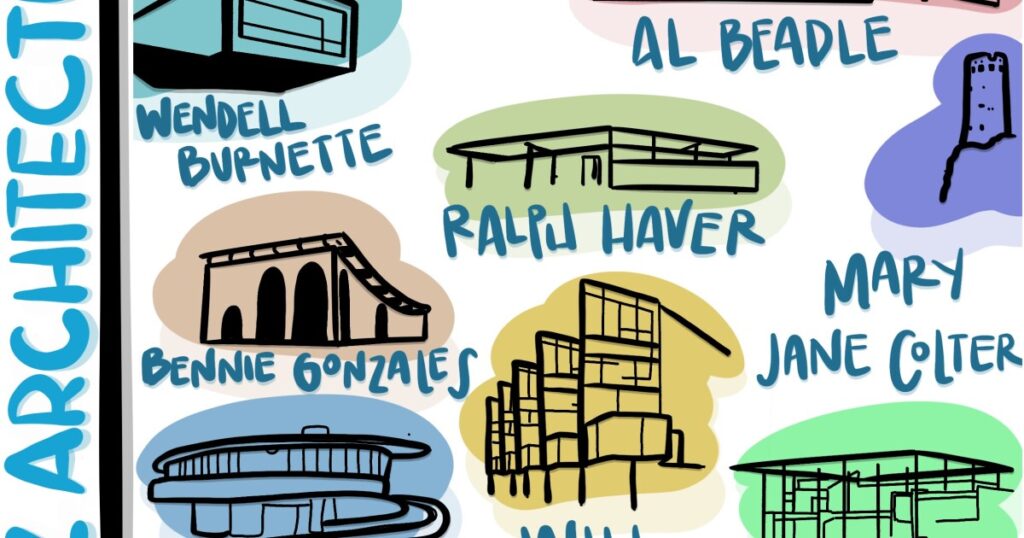
The architectural landscape of metro Phoenix is a dynamic tapestry of creative minds and visionary designs, although the region often leans towards redevelopment over preservation. Despite these challenges, the area’s conservationists have put forth significant efforts to safeguard the architectural gems crafted by icons such as Frank Lloyd Wright, Ralph Haver, Bennie Gonzales, and Al Beadle. For instance, significant elements of a Beadle house are being salvaged from demolition, as discussed in a recent conversation between host Mark Brodie and architect Taz Khatri.
Understanding Phoenix’s architectural evolution requires recognizing the contributions of its leading architects. Here’s a guide to spotting some of the most notable designs in the area.
Al Beadle
Prominent from the late 1950s to the mid-1980s, Al Beadle’s influence on the Southwest’s architectural scene is marked by his distinctive style. Known for flat roofs, steel frames, and open-air carports, his works, often dubbed “Beadle Boxes,” remain iconic in the Valley.
Wendell Burnette
A contemporary architect and student of some of the greats, Wendell Burnette’s designs are modern, site-specific, and often incorporate natural light and landscape. Noteworthy projects include the Palo Verde Library in Phoenix and the Amangiri Resort in Utah.
Will Bruder
With a career spanning several decades in the Valley before relocating his studio to Portland in 2019, Will Bruder is known for his functional fine art approach. His buildings, such as the Burton Barr Library and SMoCA, are characterized by concrete blocks, sheet metals, and thoughtful sun positioning.
Katherine Davis-Young
/
KJZZ
Mary Jane Colter
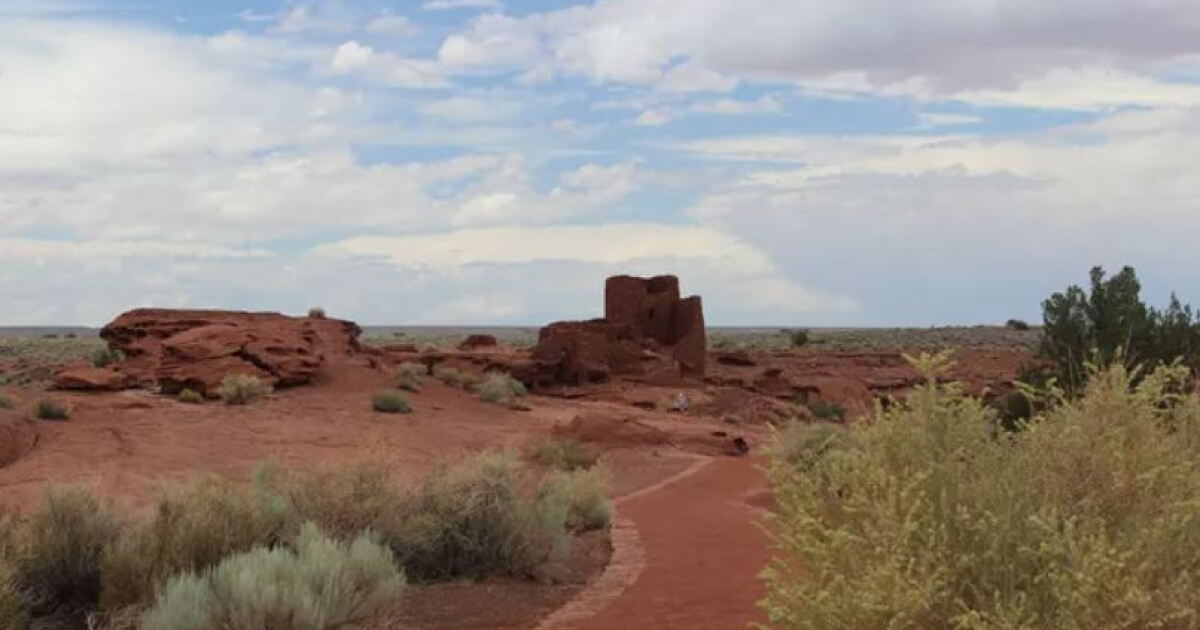
Mary Jane Colter’s work from 1902 to 1948 for the Fred Harvey Company has left a lasting legacy. Her “National Park Service Rustic” style can be seen in the Lookout Studio, Desert View Watchtower, and Hermits Rest in Grand Canyon National Park, all of which emphasize regional and indigenous elements.
Judith Chafee
Judith Chafee, primarily working in Tucson, is celebrated for her “Desert Modernism” designs, which balanced indoor and outdoor spaces and departed from the prevalent pueblo revival style. Notably, her works like the Ramada House and Jacobson House are recognized on the National Register of Historic Places.
Bennie Gonzales
Bennie Gonzales is credited with several Scottsdale structures, including city hall and the main library, as well as the Heard Museum. Renowned for avoiding right angles, his designs often incorporate Southwestern cultural elements and draw inspiration from Navajo designs.

Ralph Haver
Ralph Haver’s development of “Haver Homes” from 1942 to the mid-1980s brought contemporary and affordable housing to Phoenix. Known for low-sloped roofs and open floorplans, his designs encouraged “cheerful good living.” Haver also designed notable buildings like the Kon Tiki Motor Hotel and First Federal Savings and Loan, although they have since been demolished.
Frank Lloyd Wright
Frank Lloyd Wright’s architectural philosophy focused on harmony with nature, seen in his masterpieces with curved facades, low rooflines, and geometric stained glass. His contributions to Phoenix include the Gammage Auditorium, Arizona Biltmore Hotel, and First Christian Church, with Taliesin West standing as a notable landmark.

—
Read More Arizona News