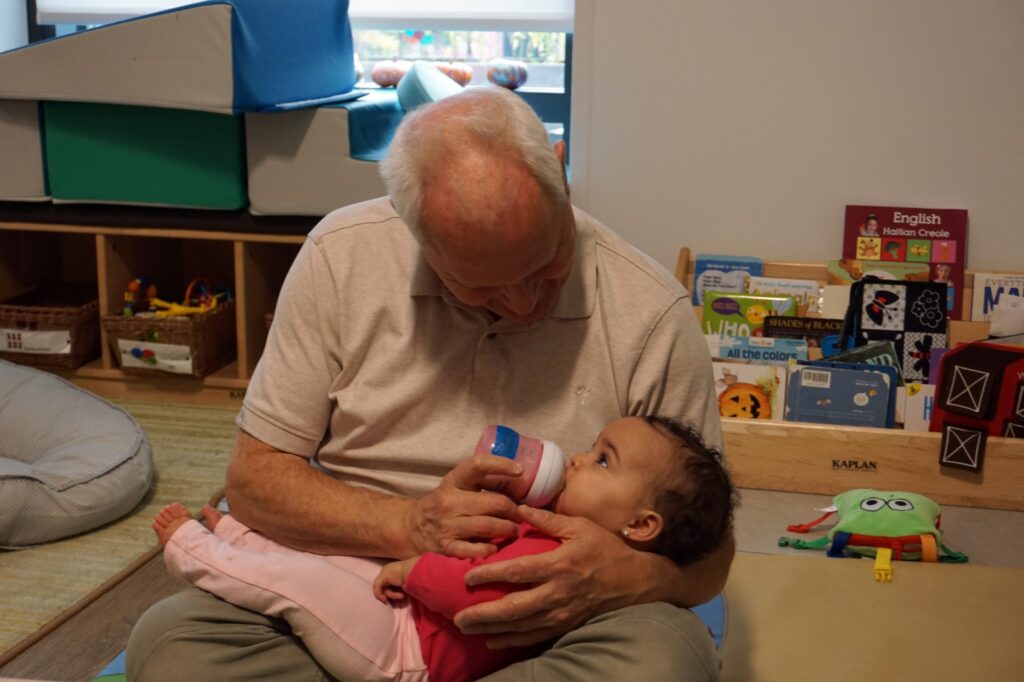
BOSTON, Mass. — Karian, a single mother, struggled with postpartum depression and anxiety after her second daughter’s birth. Having relocated from Boston to New York 13 years ago, she found herself overwhelmed, barely managing daily tasks for her children.
Encouraged by her mother, Karian moved back to Boston with her daughters, hoping for stability. She worked night shifts at a fast-food restaurant, but the low wages made it difficult to afford rent. A month later, they were forced to leave her mother’s overcrowded apartment and moved into a homeless shelter, exacerbating her mental health issues.
Karian’s story is part of a larger crisis. Between 2021 and 2023, the number of homeless infants and toddlers rose by 23% in the United States, with nearly 450,000 lacking stable housing. These figures, reported by SchoolHouse Connection and Poverty Solutions, may not fully capture the “hidden homeless” living with friends or family.
Experts cite rising costs of living, child care, and maternal mental health challenges as factors driving homelessness among young children. The nonprofit Zero to Three reports that one-third of infants and toddlers lived in financially strained families in 2024.
Kate Barrand of Horizons for Homeless Children highlights the escalating cost of housing and child care as barriers for disadvantaged families. Horizons opened the Edgerley Family Horizons Center in 2021 to help, serving over 250 children with a waitlist of 200. The center provides tailored support, emphasizing stability and development for children, including Karian’s youngest, who has shown significant growth since attending.
Homeless children face developmental challenges, lagging in language and literacy skills. Programs like Horizons aim to provide stability and support, yet only a small percentage of homeless children are enrolled in early learning programs. Rahil Briggs of Zero to Three’s HealthySteps program emphasizes the critical nature of early childhood development.
Karian found hope at Horizons, where her daughter received therapy for developmental delays. A family coach helped Karian earn her GED and secure stable employment. Now, she dreams of opening a restaurant and has ambitions for her daughters’ futures.
Policy changes could further assist families, such as increasing the minimum wage, expanding child care like Head Start, and providing affordable housing. Melissa Boteach of Zero to Three argues for prioritizing housing stability for families with young children, stating that “babies shouldn’t be homeless.”
—
Read More Kitchen Table News
![Botched Ad Mix-Up: Super PAC Error in Arizona Congressional Race[embed]https://www.youtube.com/watch?v=bEMgIlCkHz0[/embed]](https://www.kitchentablenews.org/wp-content/uploads/2026/10/Botched-Ad-Mix-Up-Super-PAC-Error-in-Arizona-Congressional-RaceembedhttpswwwyoutubecomwatchvbEMgIlCkHz0embed.com2F0e2F962Fe971102f49e7a4f2a64fd3cc60a22Fjonatha.png "Botched Ad Mix-Up: Super PAC Error in Arizona Congressional Race[embed]https://www.youtube.com/watch?v=bEMgIlCkHz0[/embed]")