Article Summary –
The article highlights the increasing trend of criminal charges against pregnant individuals in relation to miscarriages and substance abuse during pregnancy, exacerbated by the U.S. Supreme Court’s 2022 decision in Dobbs v. Jackson Women’s Health Organization, which overturned Roe v. Wade. Legal experts like Mary Ziegler and advocacy groups such as Pregnancy Justice and If/When/How emphasize the implications of fetal personhood laws and the challenges in prosecuting pregnancy-related cases, noting that these legal actions often target individuals already vulnerable due to limited access to prenatal care and substance use treatment. Public opinion polls indicate that most Americans do not support criminalizing pregnancy outcomes, yet over 400 cases have been reported in just two years, underscoring the tension between legal frameworks and the lived realities of pregnant individuals.
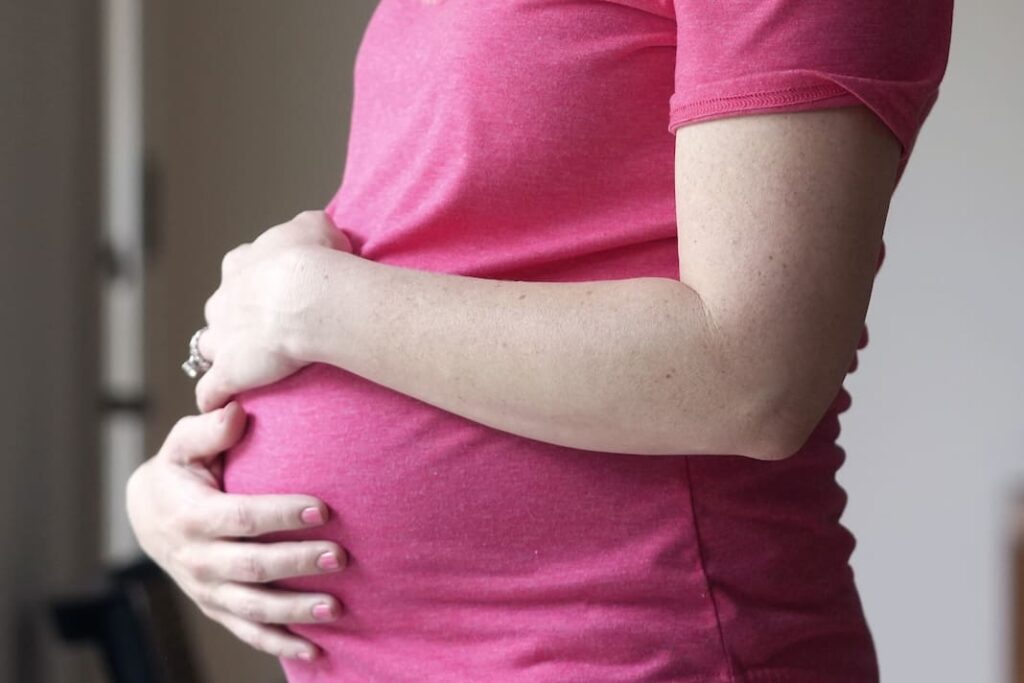
Imagine the trauma of losing a pregnancy to miscarriage and then facing arrest and charges. Legal experts note a rise in criminal charges against pregnant individuals for miscarriages and abortions.
Pregnancy Justice, a national advocacy group, published a report in 2024 documenting 210 pregnancy-related criminal cases post the 2022 U.S. Supreme Court decision in Dobbs v. Jackson Women’s Health Organization. By the following year, cases jumped to 412, many involving substance abuse during live births.
Mary Ziegler, a UC Davis law professor, attributes this to efforts to declare fetal personhood and combat the availability of abortion medication even in states with bans.
“There’s a push toward more prosecutions during pregnancy due to fetal personhood goals and frustration over abortion pills,” Ziegler explained. “Prosecuting women for taking abortion pills or burying fetal remains is easier as they are already in the state and subject to prosecution.”
Ziegler highlighted Kentucky resident Melinda Spencer’s case as an example. Charged with fetal homicide for self-managing an abortion and burying the fetus, charges were dismissed due to a Kentucky statute protecting pregnant women from prosecution for causing fetal death.
Miranda King, the prosecutor, expressed regret over dropping charges: “I aimed to be a pro-life prosecutor but must work within Kentucky law,” she said.
Farah Diaz-Tello of If/When/How noted the alarming trend of prosecutors seeking laws to criminalize non-illegal actions: “Laws are retrofitted to punish perceived wrongs,” she stated. “States have laws against desecrating bodies, but they don’t specifically address fetuses.”
Pregnancy Justice’s Dana Sussman discussed the post-Dobbs reality where every pregnancy loss is suspect. “With abortion banned in many states, any pregnancy loss is potentially criminal,” Sussman said, adding that the punitive response to pregnancy shows no sign of slowing.
Polls reveal Americans generally oppose criminal charges for miscarriages or abortions. Sussman raised concerns over the lack of prenatal care funding, leading to arrests of women unable to access necessary health services.
Fetal personhood laws, granting legal rights to embryos, are the endgame for anti-abortion groups, according to Sussman. “Over 400 women were arrested due to fetal personhood laws. This isn’t equal protection; it endangers pregnant people and strips them of equality,” she emphasized.
Fetal personhood laws aim to grant embryos legal rights from fertilization. Currently, 17 U.S. states have established such laws.
—
Read More Pennsylvania News