LACONIA, N.H. — A group of young children, aged 4 and 5, took to the stage at the historic Colonial Theatre in Laconia, New Hampshire. Dressed in bright hues and sparkles, the kids were ready to sing “Merry Christmas! … This is the day that the Lord was born!” when an unexpected fire alarm interrupted the show.
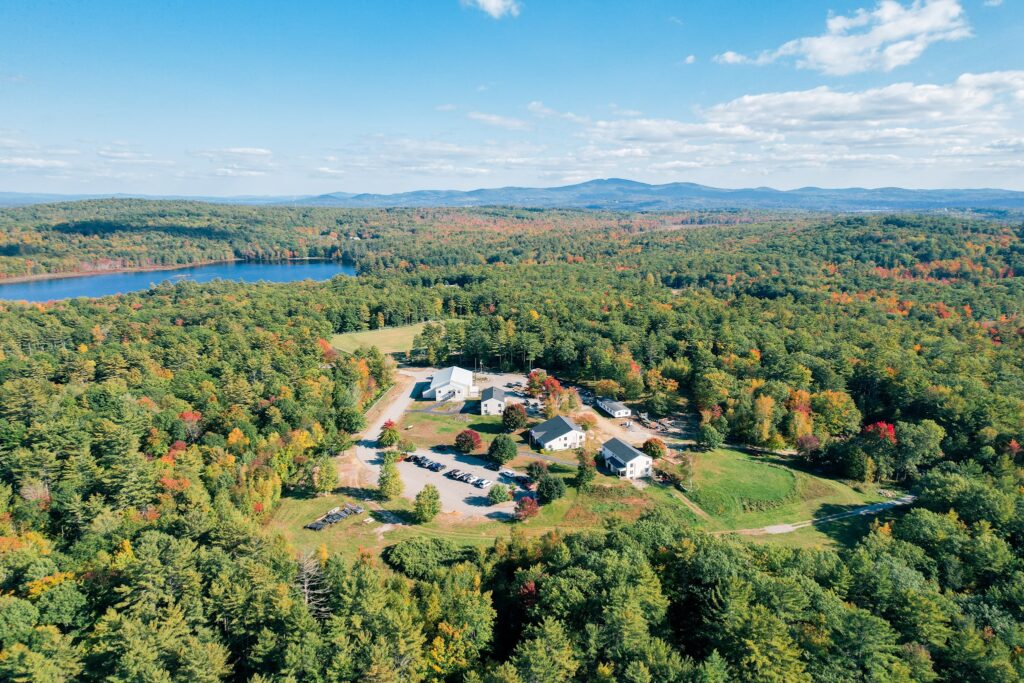
This year’s Christmas concert at Laconia Christian Academy proved more thrilling than usual, reflecting a broader trend for the school. Despite New Hampshire’s declining school enrollment, Laconia’s elementary school enrollment surged by 130% since 2020. The academy is expanding its campus with a $750,000 project.
The surge is largely due to New Hampshire’s Education Freedom Account program, where students receive taxpayer funds for tuition, said Head of School Rick Duba. Almost every student is enrolled in this program, regardless of family income.
In June, New Hampshire became the 18th state to implement a universal private school choice program. Governor Kelly Ayotte remarked, “Giving parents the freedom to choose the education setting that best fits their child’s needs will help every student in our state reach their full potential.”
The rise of such programs has sparked concerns from Democrats and public school advocates about accountability and funding. President Donald Trump’s upcoming federal voucher program, starting in 2027, intensifies these debates on public education’s future.
Douglas Harris, a Tulane scholar, notes these programs signify a major shift in K-12 education since Brown v. Board of Ed. He discusses the origins of vouchers in the 1950s as a means to resist desegregation and highlights their continued impact on private school choice today.
New Hampshire’s universal school choice program offers families an average of $5,200 annually for private school tuition or homeschooling. The program sees significant enrollment in small Christian schools, with a disproportionate amount of funding directed to these institutions.
While New Hampshire’s Education Freedom Accounts are widely used, state officials have stopped releasing detailed data about funding recipients. The Children’s Scholarship Fund only provides a partial accounting, showing a majority attending Christian schools.
An analysis by Tulane’s Harris showed private school enrollment increases, particularly in small Protestant schools like Laconia. The federal tax credit program will further direct funds to such schools.
Christian schools often have lower tuition, making them more accessible with subsidies. Teachers in these schools typically earn less as they consider their work a ministry, according to Duba, who is striving to provide a living wage.
At the concert, parents like Nick Ballentine chose Laconia for its faith-based education and small class sizes, expressing dissatisfaction with public schools and government policies.
Laconia offers unique programs like TimberNook, where students spend hours learning outdoors, and emphasizes faith in its curriculum without requiring a “profession of faith.”
New Hampshire’s broad school choice program is part of a historical trend of evangelical Protestants seeking to influence public schools and divert funds to Christian schools. This movement is tied to larger cultural battles over education content.
Despite these trends, New Hampshire’s public school enrollment remains stable at 90%. However, areas like Rindge, where nearly 30% of students use EFAs, are feeling budgetary impacts as funds are redirected from public schools.
Megan Tuttle, president of New Hampshire’s teacher union, argues that public schools face financial strain as EFA funds leave the system. Duba counters that EFAs don’t cover the full cost of education, suggesting schools benefit financially when students leave.
As the program expands, opposition grows, but with Republican control, New Hampshire’s school choice policies are set to continue. The upcoming national education tax credit program could extend these debates to more states.
—
Read More Kitchen Table News
![Jody White’s Unconventional Michigan Supreme Court Candidacy Explored[embed]https://www.youtube.com/watch?v=8NfxFIPE4ac[/embed]](https://www.kitchentablenews.org/wp-content/uploads/2026/10/Jody-Whites-Unconventional-Michigan-Supreme-Court-Candidacy-Exploredembedhttpswwwyoutubecomwatchv8NfxFIPE4acembed.com2F842F0e2Fc7223daa43c9876b36a4e00773a42Fme-supc.png "Jody White’s Unconventional Michigan Supreme Court Candidacy Explored[embed]https://www.youtube.com/watch?v=8NfxFIPE4ac[/embed]")