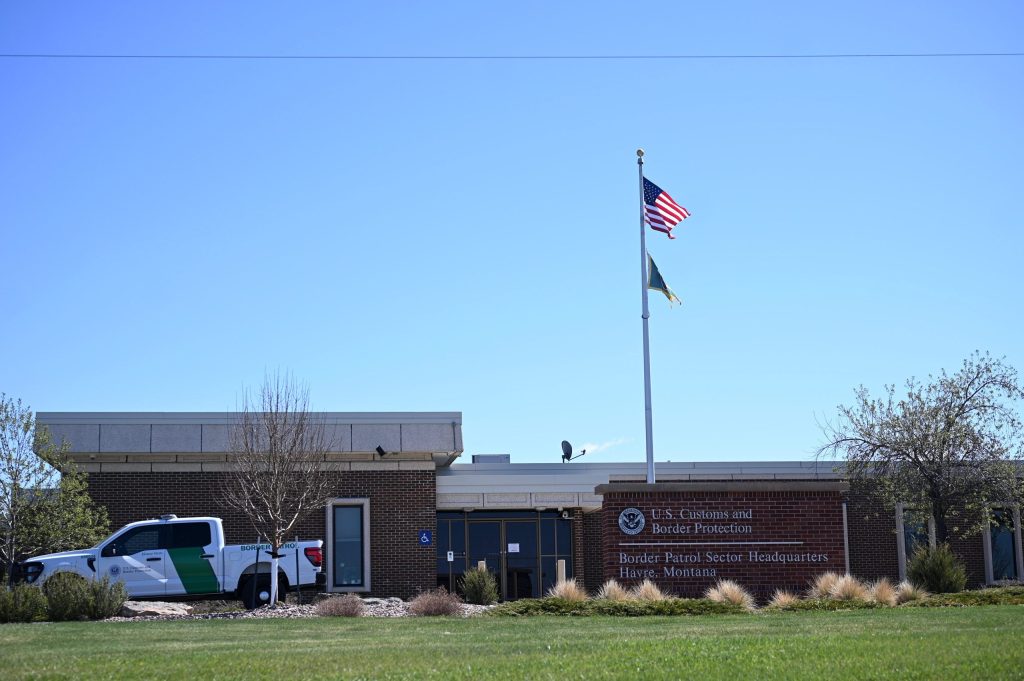
The Environmental Protection Agency’s (EPA) long-standing initiative to monitor carbon emissions in the U.S. may soon see its end following a proposal from the Trump administration, deeming it overly burdensome for businesses. For over 15 years, this program has been a key source of data on greenhouse gases from more than 8,000 facilities nationwide.
According to the administration’s statement, the Greenhouse Gas Reporting Program is considered “bureaucratic red tape” that fails to contribute to air quality improvement, as stated by EPA Administrator Lee Zeldin.
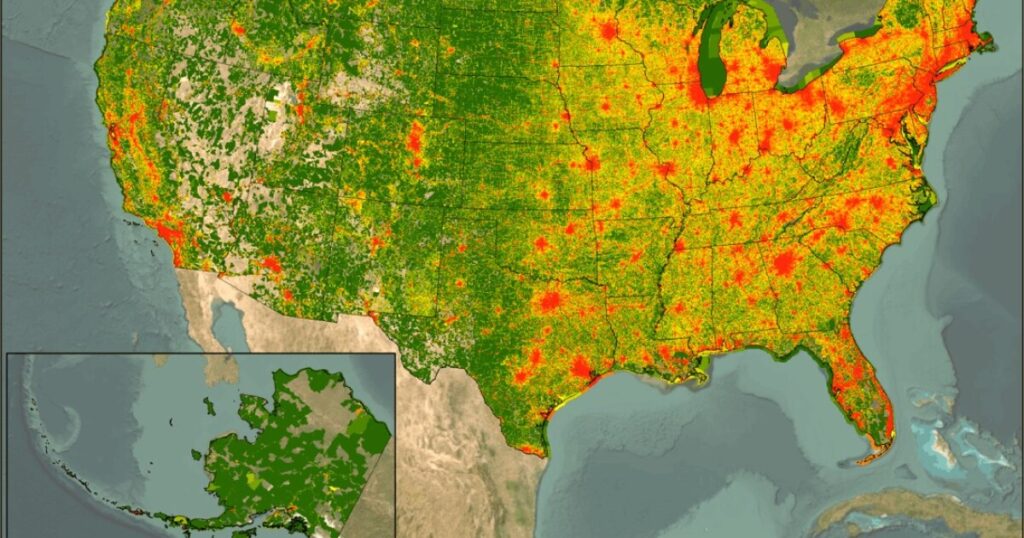
In response to this potential data gap, researchers from Northern Arizona University (NAU) have developed Project Vulcan, an initiative that promises more granular data than what the federal program currently offers. Kevin Gurney, leading the project from the School of Informatics, Computing, and Cyber Systems, has emphasized the increasing reliance on their research due to threats to federal climate data programs.
Project Vulcan’s maps, illustrating 13 years of carbon emissions, provide detailed insights down to individual streets and neighborhoods across the United States. While these maps initially reflect population distributions, closer examination reveals deeper insights into infrastructure and fuel usage patterns.
Gurney highlights the significance of these maps for local policymakers aiming to curb greenhouse gases, stating, “As you zoom in and go down to finer scales is where you really start to see the things that aren’t necessarily related to population, and it really is about infrastructure. It’s about the way we use fuel, the way we burn it, and where we burn it.”
Looking forward, the research team plans to release further detailed maps this year, featuring hourly emissions data. Gurney explains, “What are the highway emissions? What are the local road emissions? Do that by every single segment within the city. In a world in which we have limited resources to go after [carbon] mitigation, we have to be very shrewd and careful and targeted about where we go to do the mitigation. […] You can tackle everything in your landscape, but it’s actually much more prudent to go for the big things first.”
—
Read More Arizona News