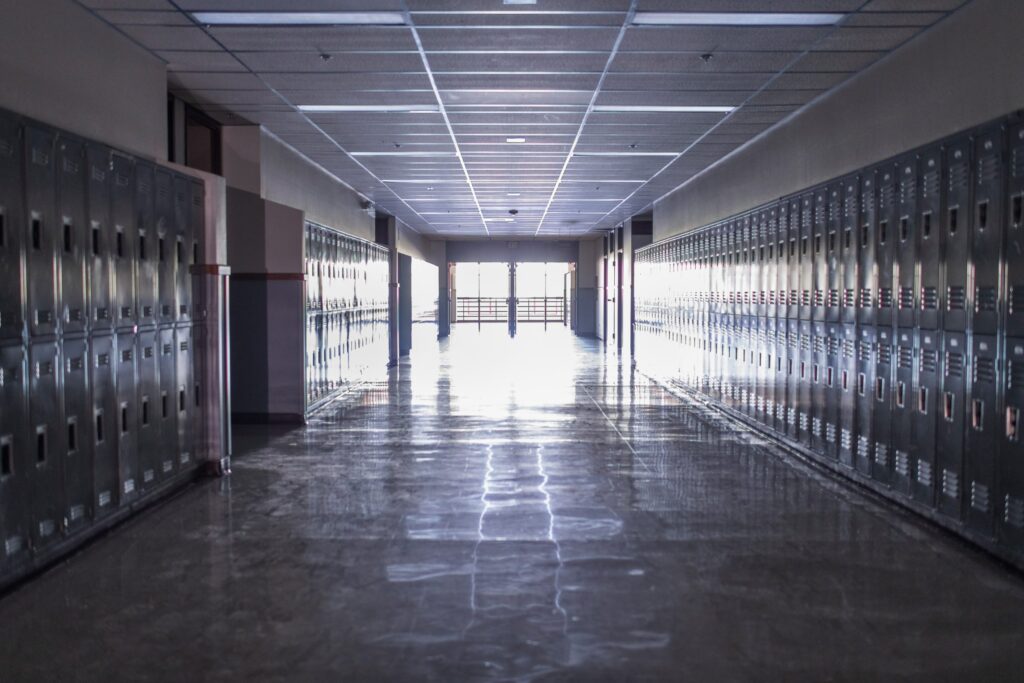
Amid mounting pressures, school districts across the U.S. are grappling with declining enrollments. In urban areas like Boston, rising housing costs contribute to the decline, whereas rural areas face challenges such as decreasing birthrates and aging populations. These demographic shifts, alongside new voucher programs, have caused many students to remain in private schools post-pandemic, leading to reduced state funding and failed budget approvals in places like New York and Maine.
School closures might appear to be a logical solution for these districts, but often do not resolve financial issues. Despite intentions to “right-size” districts and cut costs, closures typically fail to significantly reduce expenses due to new transportation or renovation costs. Furthermore, closures can negatively impact student performance, resulting in lower test scores and diminished long-term educational outcomes, as noted in recent studies.
Beyond financial concerns, school closures exacerbate other issues. They can increase absenteeism and behavior problems, particularly affecting Black and low-income students. In rural areas, closures extend student commute times and threaten local economies by shuttering businesses. This trend spans bipartisan lines, with closures occurring in red, blue, and purple states alike.
For instance, the West Virginia Board of Education recently closed schools in six counties, and states like Georgia and Massachusetts are also consolidating districts. Meanwhile, New Jersey and Pennsylvania are contemplating similar measures. However, closures align with former President Donald Trump’s agenda to dismantle public education, as his administration has reduced federal oversight and funding for public schools.
To address these challenges, experts suggest exploring alternative strategies, such as service-sharing agreements and multi-grade classrooms. These approaches can alleviate financial strain and maintain educational quality without resorting to closures. Additionally, updating outdated state funding formulas could better support struggling districts.
When closures are unavoidable, they should be conducted thoughtfully, with community involvement, accurate data, and a focus on repurposing facilities for community use. It is crucial to address the root causes of closures, including privatization, gentrification, and economic inequality, to preserve the future of public education.
—
Read More Kitchen Table News