Rising property taxes and complex tax systems in Montana have sparked discussions about implementing a statewide sales tax. Residents express concerns over escalating housing costs, prompting officials to reconsider the idea. Historically, Montana has resisted sales taxes, having only implemented a limited local-option resort sales tax in select areas like Big Sky and Red Lodge. Despite being one of four states without a sales tax, Montana maintains a constitutional amendment capping a potential sales tax at 4%.
A statewide Bureau of Business and Economic Research tour is addressing this contentious topic. “Certainly, being a no-sales-tax state is part of our cultural identity,” says Jeffrey Michael, director of the BBER at the University of Montana.
Tax the Tourists
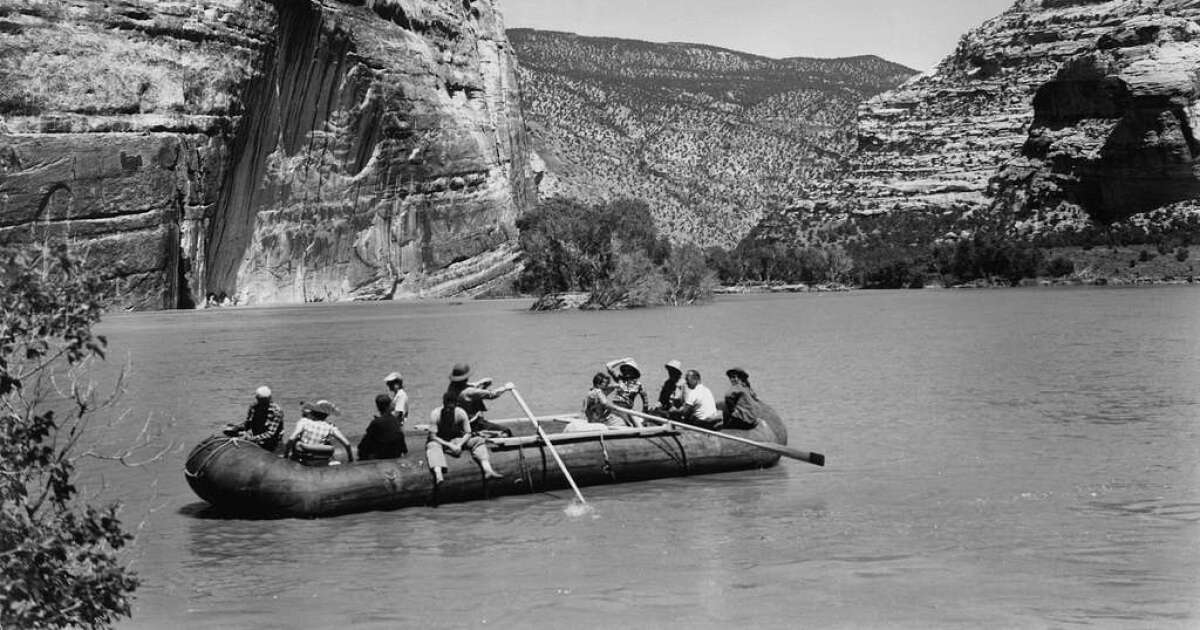
There may be support for a sales tax targeting tourism, a major economic sector in Montana. Tourism impacts infrastructure, yet out-of-state visitors currently contribute no sales tax on purchases. The Legislative Fiscal Division estimates 88% of a state sales tax would affect residents, as a lodging tax already captures some tourist revenue. The state predicts a 4% sales tax could yield $1.3 billion, compared to $2.4 billion from property taxes.
Visitors typically spend over five days in Montana, but their expenditures primarily focus on park visits rather than shopping. Gasoline costs are significant, with tourists spending twice as much due to extensive travel. Raising the gas tax, currently around 33 cents per gallon, might be a viable revenue option, according to the Tax Foundation. Michael suggests a seasonal gas tax increase could also be considered.
Tourism Trends
Melissa Weddell, director of the UM Institute For Tourism and Recreation Research, highlights tourism’s economic impact. Despite a 4% drop to 13.3 million visitors in 2025, non-resident spending exceeded $5 billion in 2024. Repeat visits and increased spending per tourist indicate positive trends. Visitors seek genuine experiences and accessibility improvements, like more flights, are enhancing Montana’s appeal.
Montana ranks third nationally in tourism’s contribution to GDP, at 4.6%. While national parks draw many visitors, activities like mountain biking and target shooting also attract interest. Despite positive tourism metrics, Weddell notes North Dakota’s successful marketing draws even more tourists. Economic uncertainties are causing a “softening” in tourism, impacting travel-related businesses concerned about rising costs.
—
Read More Montana News
![Jody White’s Unconventional Michigan Supreme Court Candidacy Explored[embed]https://www.youtube.com/watch?v=8NfxFIPE4ac[/embed]](https://www.kitchentablenews.org/wp-content/uploads/2026/10/Jody-Whites-Unconventional-Michigan-Supreme-Court-Candidacy-Exploredembedhttpswwwyoutubecomwatchv8NfxFIPE4acembed.com2F842F0e2Fc7223daa43c9876b36a4e00773a42Fme-supc.png "Jody White’s Unconventional Michigan Supreme Court Candidacy Explored[embed]https://www.youtube.com/watch?v=8NfxFIPE4ac[/embed]")