Low Snow Levels Threaten Water Supply in Colorado River Basin
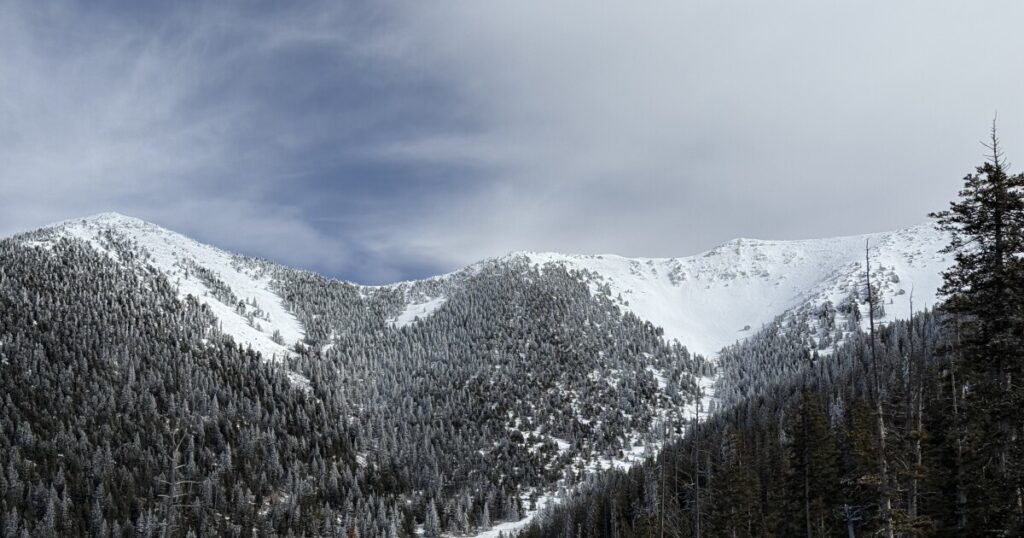
This winter marks a significant downturn for the Colorado River basin, with snow levels alarmingly low. The region faces a potentially severe dry summer, which could escalate political tensions over dwindling water reserves. The latest water supply forecast for February is the worst in 35 years, highlighting a concerning lack of snow throughout the area.
Analyzing the snowpack data across the West, a striking amount of red dominates the map, indicating below-average snow levels. Every monitored region is experiencing a decrease, with most areas having less than 50% of typical snow accumulation for this period. Notably, the mountains within the Colorado River basin are at just 58% of the expected norm, marking the lowest point since monitoring began in 1986.
Natural Resources Conservation Service
/
Handout
Water managers in the area are expressing concern over the dire implications of these conditions. Vineetha Kartha, the Colorado River programs manager at the Central Arizona Project, has been closely monitoring the snow data. The Central Arizona Project, which channels water from the river to Phoenix and Tucson, is feeling the pressure of the situation.
Kartha, at a recent board meeting, described the situation as bleak. She stated, “December was dry,” and went on to underscore the dryness of preceding months, emphasizing that “this trend seems to be continuing.” She highlighted the “abysmal” conditions of several mountain rivers, which could severely impact the water levels in regional reservoirs, including Lake Powell, potentially halting the operation of hydropower turbines at Glen Canyon Dam.
The current year’s conditions are nearing the most pessimistic projections made earlier, and without changes in weather patterns, these impacts could manifest by summer. The ongoing 26-year megadrought has severely strained the Colorado River, a crucial water source for nearly 40 million people, exposing the shortcomings of current water management strategies against climate change.

Natural Resources Conservation Service
/
Handout
Federal water authorities are considering releasing water from upstream reservoirs in Wyoming, Utah, and Colorado to mitigate issues at Lake Powell and Glen Canyon Dam. This strategy, part of the Drought Response Operations Agreement (DROA), was previously implemented in 2022. Kartha noted that although federal officials are assessing similar measures this winter, specifics about the reservoirs and quantities of water involved remain undecided. However, she cautioned that even with DROA efforts, the necessity for reductions in Lake Powell releases might still arise.
Reducing water releases from Lake Powell could lead to significant legal challenges among the states sharing the Colorado River. Upstream states like Colorado, Utah, Wyoming, and New Mexico have legal obligations to ensure a specific water flow downstream. Any shortfall could breach longstanding agreements with downstream states such as Arizona, California, and Nevada.
—
Read More Arizona News