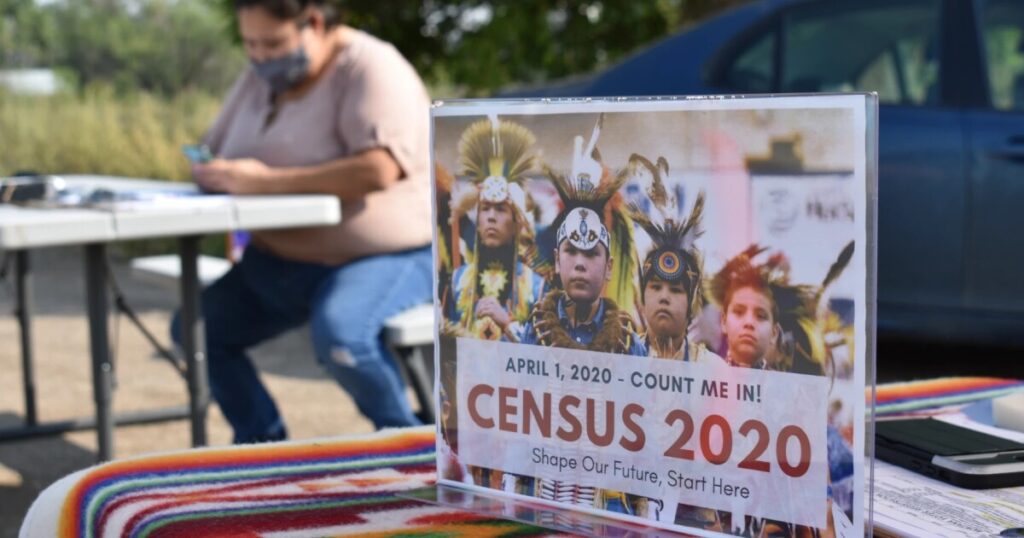
Changes in 2030 Census Testing Locations Spark Concerns
The Trump administration’s decision to significantly reduce the number of locations for a critical census practice test has raised alarms among experts regarding the effectiveness of the 2030 census preparations. Initially planned to take place in six diverse locations, the test will now be conducted only in Huntsville, Alabama, and Spartanburg, South Carolina, according to a notice by the Commerce Department, which supervises the U.S. Census Bureau.
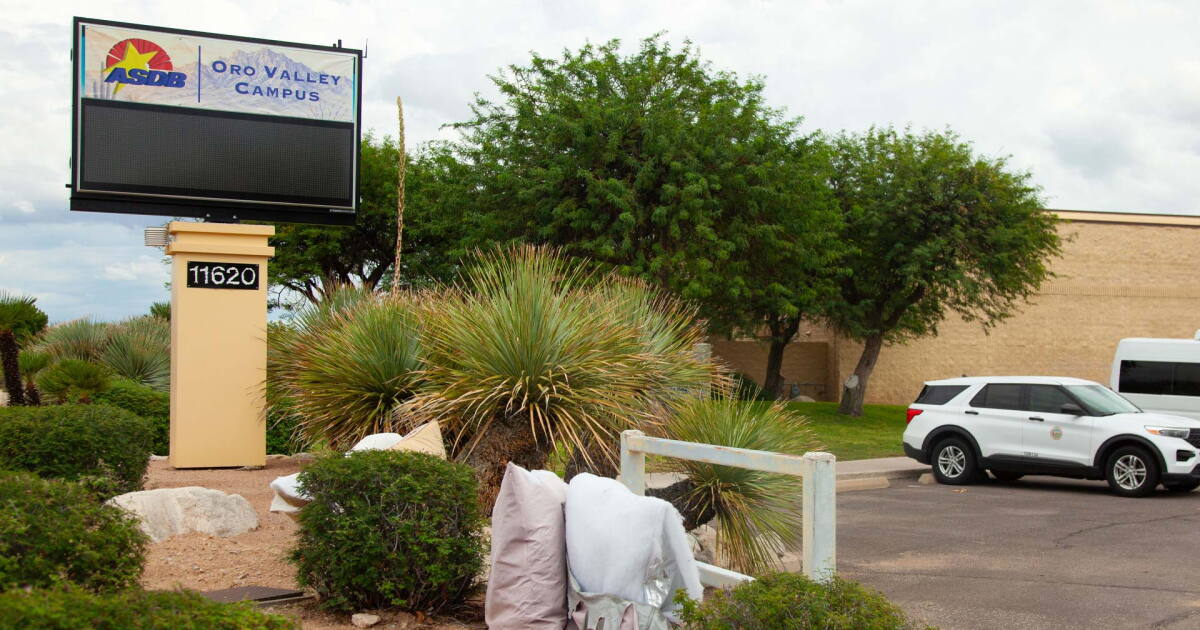
Originally, the test sites included Colorado Springs, Colorado, tribal lands in Arizona, western North Carolina, and western Texas. These areas were chosen to represent communities that are challenging to accurately count, such as rural regions with limited connectivity and fast-growing areas with new constructions.
The Census Bureau has not provided an explanation for the reduction in test sites, but stated on its website that it is committed to achieving the most accurate count for the 2030 Census and values its partnerships with local communities.
Mark Mather from the Population Reference Bureau expressed concerns, noting that reducing the test to only two Southern metro areas is “a step backward.” He emphasized, “The Census Bureau would be essentially flying blind into communities that need testing most — tribal lands, rural areas with limited connectivity and places with historically low response rates. You can’t fix what you don’t test.”
Similarly, Terri Ann Lowenthal, a consultant on census issues, described the reduction as “an ominous sign for the 2030 Census,” highlighting the uncertainty surrounding the new 2026 plan.
These practice tests are crucial for refining methods to address undercounting from the 2020 census and improving data processing and messaging strategies for the upcoming 2030 count. Among the innovations being tested is the involvement of U.S. Postal Service workers in roles previously handled by census workers.
Ahead of the 2020 census, a comprehensive test was conducted solely in Providence, Rhode Island, due to funding constraints that led to the cancellation of other tests. The decennial census plays a vital role in determining congressional representation and the allocation of $2.8 trillion in federal spending annually.
—
Read More Arizona News