In the quiet corners of northwest Colorado, ranchers like Jay Fetcher have long relied on snowpack measurements to predict the season ahead. These measurements, typically gauged by how high snow piles against barbed wire fences, have taken a troubling turn this winter.
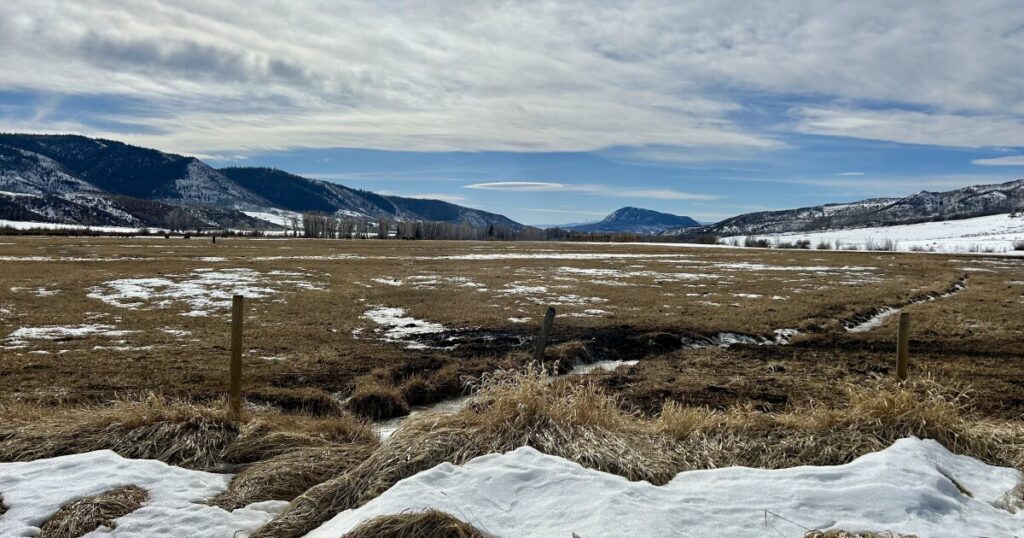
On February 9, Fetcher’s ranch experienced what he calls a “zero wire winter,” a stark contrast to the ideal “three wire winter,” where snow reaches above the third wire. “We just have no snow, and I have never seen it, in my 75 years here, I have never seen this,” Fetcher remarked as he maneuvered through the muddy terrain of his Elk River valley ranch north of Steamboat Springs.
Surrounding landscapes that were once white are now brown, and temperatures have climbed to 50 degrees. This scene is emblematic of a broader issue affecting the West: a record-low snowpack, which is intensifying negotiations among seven states to devise a plan for the dwindling Colorado River.
The melting snow from the nearby Zirkel wilderness feeds into the Elk River, eventually joining the Colorado River and servicing millions downstream. However, changes over the past decade, observed by the Fetcher family through meticulous record-keeping, indicate a troubling shift: the snow is vanishing earlier.
“In the past 10 years, the snow leaving the meadow has moved up by 12 days,” Fetcher noted. “This winter is a real indication of climate change, with bare meadows in the middle of February. I mean, what date am I going to write down for (when) snow left the meadow this year? Did it ever come?”
The declining water supply in the Colorado River basin has fueled fierce negotiations among states over future allocations. Some forecasts suggest water levels in Lake Powell might drop so low that its dam could cease electricity production. A resolution is sought by Saturday, with the looming threat of a Supreme Court showdown if talks fail.
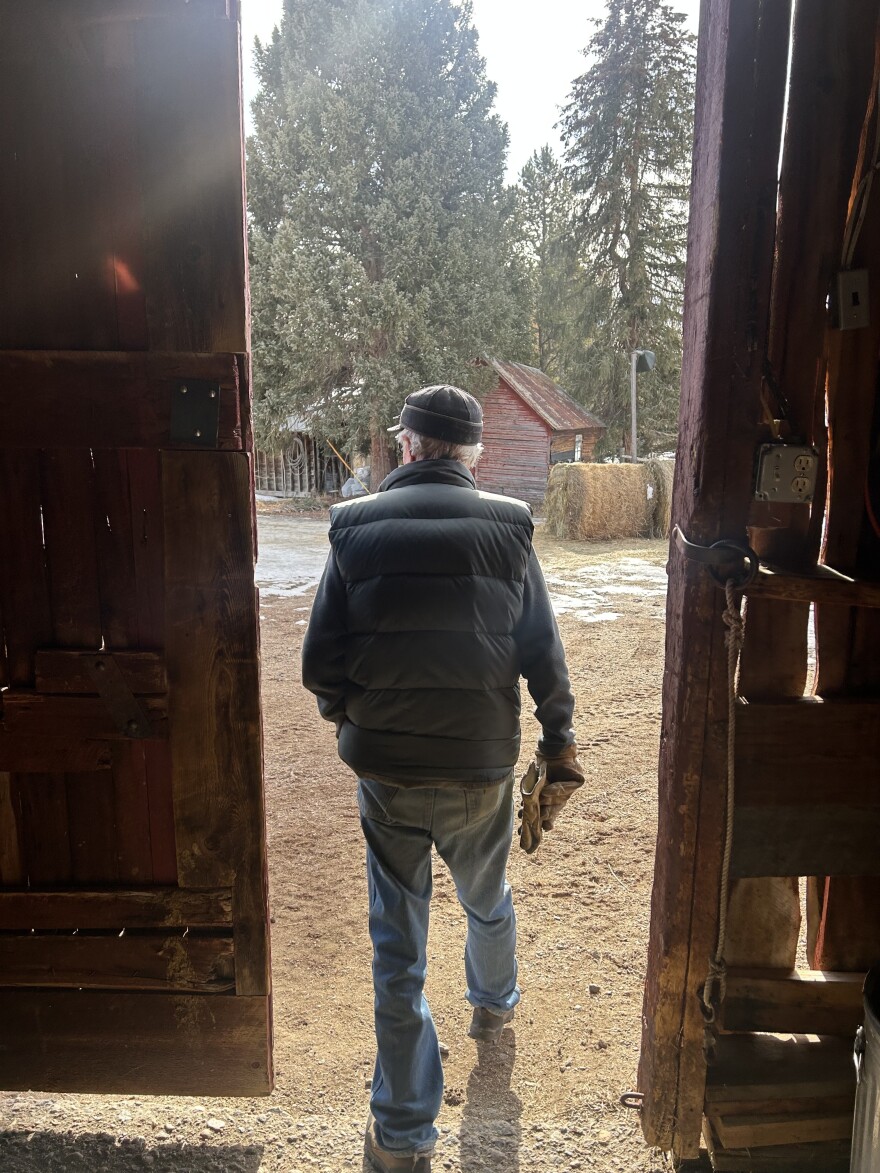
Jay Fetcher walks through a barn door on his ranch in Routt County, Colorado.
/
Scott Franz/KUNC
States like California and Arizona propose mandatory water restrictions for the upper basin states during droughts, but resistance is strong. Rocky Mountain leaders argue that ranchers and cities are already practicing conservation.
Becky Mitchell, Colorado’s chief river negotiator, emphasized at a recent water conference, “If we don’t choose how to live within the river’s limits, the river will choose it for us, and she will not be gentle.” Her message is clear: operations should be dictated by supply, not demand.
California’s negotiator, J.B. Hamby, advocates for collective efforts, saying, “It’s going to take everyone chipping in and making the necessary (water) reductions to balance the supply with the demand we have moving forward.”
From his ranch, Fetcher remains skeptical of a forthcoming resolution. He is open to sending unused water downstream but fears losing his rights under the current ‘use it or lose it’ policy. “The challenging question is, what happens with the lower basin? They’re just going to have to think about how to get by with less water and not have so many golf courses out there,” he said.
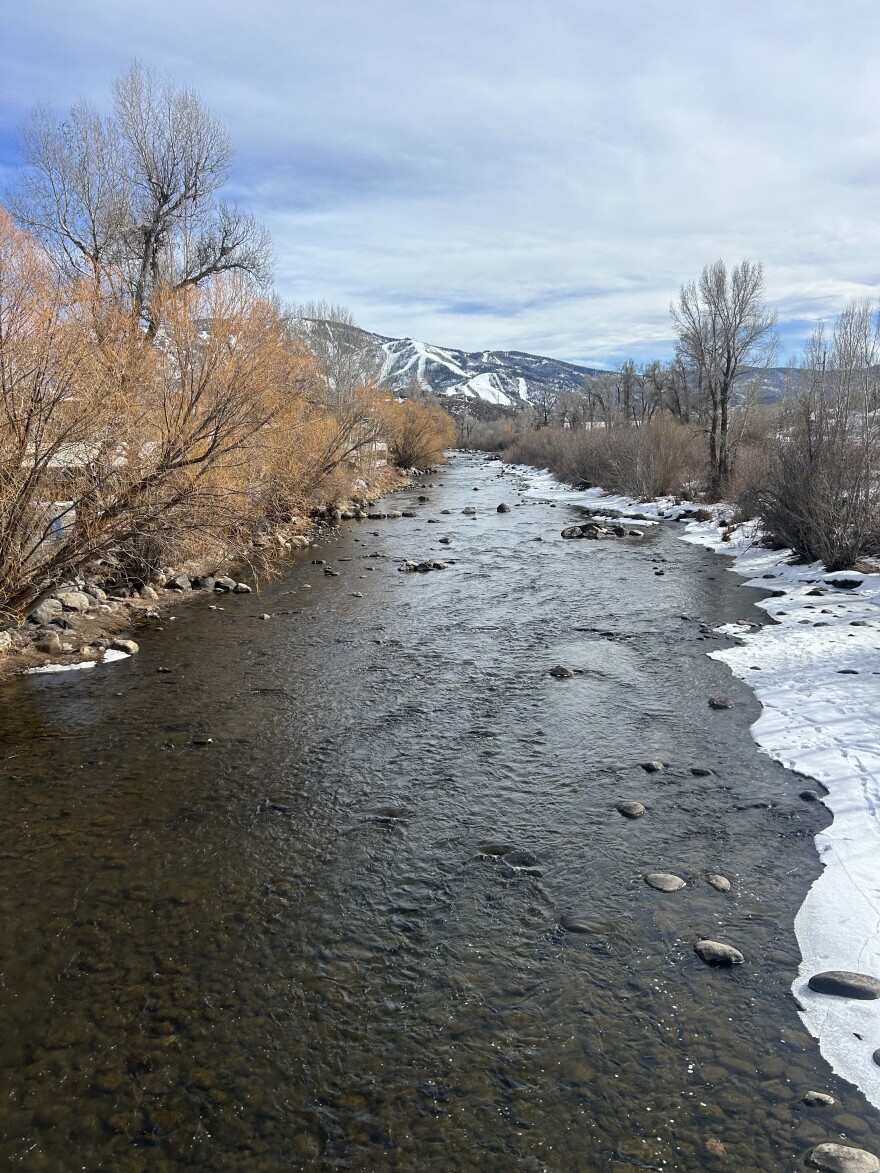
The seven states must agree on a long-term conservation plan for the Colorado River by Saturday.
This story is part of ongoing coverage of the Colorado River, produced by KUNC in Colorado and supported by the Walton Family Foundation. KUNC is solely responsible for its editorial coverage.
—
Read More Arizona News