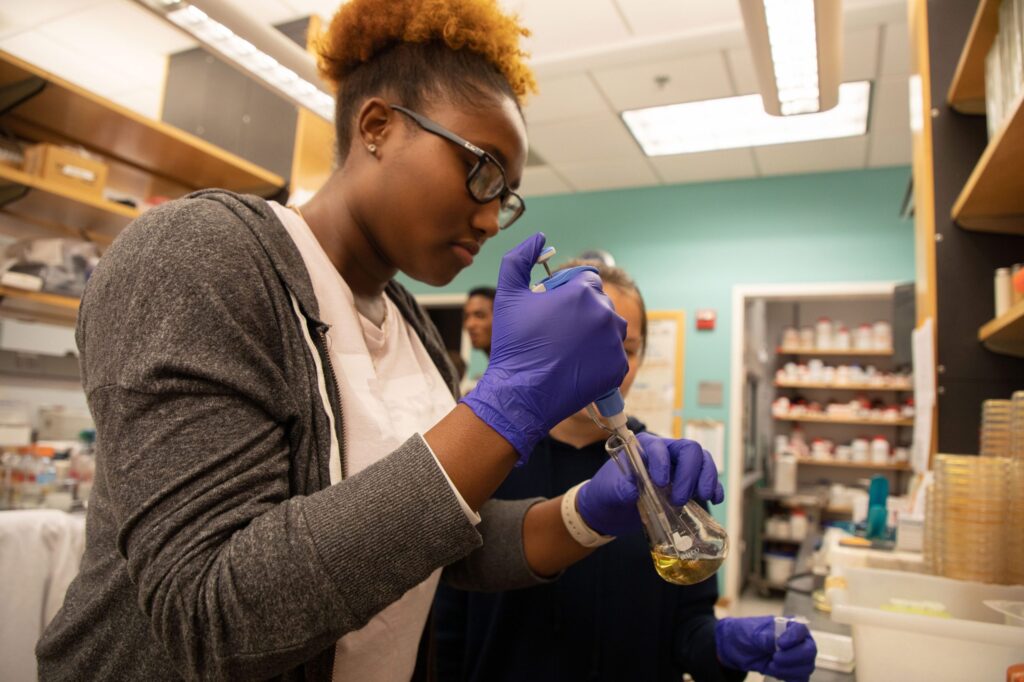
At 17, many aspiring scientists lack exposure to the STEM field. Often, such individuals don’t have access to labs or research universities. Mentorship and early support programs are crucial to guiding these young minds toward science careers. Unfortunately, these essential programs are now at risk of being dismantled.
Federal authorities have announced that National Institutes of Health diversity funding won’t be renewed, signaling a pullback in efforts to broaden science participation. This coincides with proposed cuts worth billions in federal research funding.
Numerous outreach and diversity initiatives face defunding. Over 120 TRIO programs, which aid disadvantaged students, have been terminated. Consequently, scientists and trainees are considering relocating to countries where their work and communities receive better support.
For a scientific workforce to tackle climate change, public health inequities, and biomedical challenges, early investment in students is imperative. This involves expanding paid undergraduate research at community colleges, regional public universities, HBCUs, and tribal colleges, while offering competitive wages to graduate students and postdocs.
Historically, efforts to diversify STEM fields relied on a pipeline metaphor, assuming a smooth path for students. However, this overlooks the challenges students face. Programs like TRIO, Louis Stokes Alliances, and NIH initiatives like BUILD offer vital academic, financial, and mentorship support.
Many students credit these programs for their careers, but they reach only a fraction of those in need. Unpaid internships and lack of access to higher education leave many behind. These disparities influence who advances in science, not due to capability, but access to support systems.
Science thrives on talent, persistence, and curiosity, yet material conditions are critical for growth. Most federal funding arrives too late, only benefiting those who survive early hurdles. Many promising scientists leave the field due to financial constraints.
Science must build trust by engaging with communities early, not after the fact. Collaborative research with educators and students fosters breakthroughs relevant to affected communities. Expanding participation enriches scientific inquiry by incorporating diverse experiences and perspectives.
—
Read More Kitchen Table News