Michigan’s Ballot Initiative Scene: A Push for Change
In the midst of ongoing debates in Lansing over property tax reduction, a fresh movement is gaining traction to eliminate these taxes entirely. The campaign, known as AxMITax, is striving to secure a place on the November ballot.
To achieve this goal, AxMITax is required to gather 446,198 petition signatures. The organization aims to collect a significant surplus to account for potential invalid signatures. According to Executive Director Karla Wagner, the group has already completed the signature collection phase last fall and is now in the process of retrieving all petition sheets from their volunteers. Wagner noted that this effort involved approximately 2,500 volunteers, a substantial increase from previous campaigns.
Wagner is steadfast in her commitment to continue the campaign’s efforts, even if this initial attempt does not succeed. She argues that existing proposals, such as a 10% property tax discount for certain seniors, are insufficient to prevent financial burdens on taxpayers. Wagner emphasized, “If the mechanism to collect property taxes IS still out there, because we’re only going to give a discount to seniors, that means people will still lose their homes, farms and businesses to fraud, waste and abuse at all levels of government, township, county, and state.”
Critics of the proposal express concerns that abolishing property taxes could jeopardize funding for essential local services, including police departments, libraries, and educational institutions.
The deadline for submitting signatures for Michigan’s proposed constitutional amendments, such as AxMITax, is July 6. Ballot initiatives aimed at changing state law face a May 27 deadline.
Several other campaigns are also working towards meeting these deadlines. Notable initiatives include proposed constitutional amendments to enhance the state’s voter ID laws and increase taxes on Michigan residents earning over $500,000 annually. Additionally, there is a ballot initiative aimed at restricting political contributions from public utilities and state contractors.
The Invest in MI Kids initiative proposes an additional 5% tax on income exceeding $500,000 for single filers and $1 million for joint filers. The generated revenue would support educational improvements, such as career and technical education, teacher retention, and reducing classroom sizes. Jess Newman, a member of the campaign’s steering committee, stated that canvassers are consistently submitting thousands of signatures. Newman remarked, “This is really the moment. People understand that the wealthy need to pay their fair share. They understand that we are in a moment of crisis for our public schools and funding.”
Opponents, however, caution that the tax increase could affect more than just the wealthy, as many small business owners pay taxes through the income tax system.
The Americans for Citizen Voting initiative seeks to prevent individuals without photo IDs from voting. It would require Michigan residents to provide proof of citizenship when registering to vote. Kristin Combs, a consultant for the campaign, expressed confidence in the initiative’s chances of making the November ballot, thanks to the efforts of both paid canvassers and volunteers. She emphasized the importance of grassroots support, stating, “As you head into the election and the campaign season, having that grassroots support is really important because neighbors can talk to neighbors and spread the word. And it’s just such a huge network, it’ll be extremely valuable.”
Combs argues that the measure is necessary to safeguard Michigan elections, despite reports of fewer than twenty suspected cases of non-citizens voting in the state in 2024. Similar policies are being advocated by Congressional Republicans at the federal level. Critics warn that such changes could limit voting access.
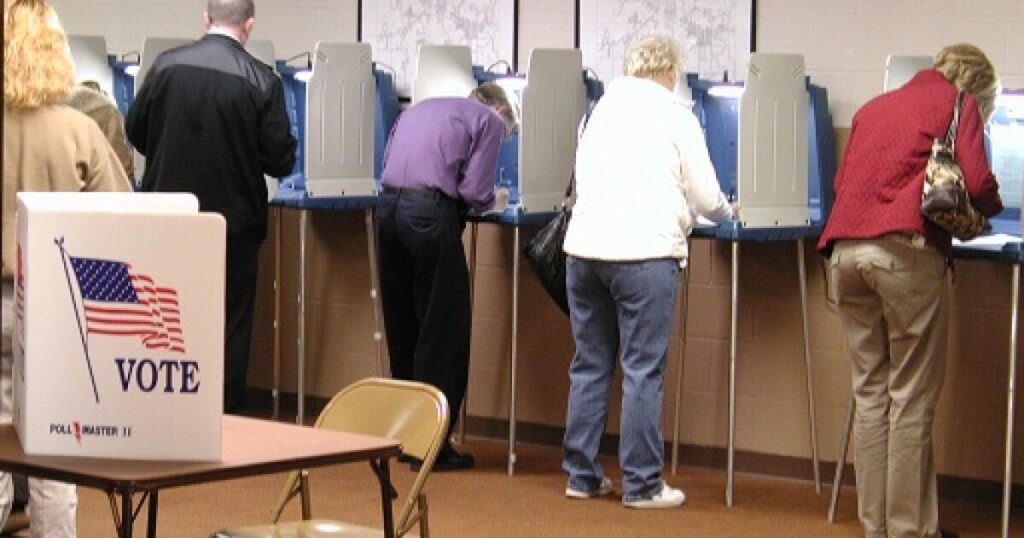
Under current regulations, Michigan residents without IDs can still vote by signing an affidavit affirming their identity. The proposed measure would introduce a provisional ballot for those without photo IDs, which would only be counted if the voter provides an ID within six days of the election. According to Ballotpedia, nine other states have strict voter ID laws without exceptions.
The Michiganders for Money out of Politics initiative aims to prohibit donations from electric and gas providers, as well as large government contractors, to the candidates who regulate them. Unlike constitutional amendments, this initiative requires 356,958 signatures to qualify for the ballot. Steering Committee co-chair Sean McBrearty is optimistic about the campaign’s progress, supported by a combination of volunteers and paid circulators. McBrearty stated, “The powerful corporations who have been controlling politics in Michigan for far too long aren’t going to give up without a fight. So, we’re anticipating getting outspent, but I’m really looking forward to continuing to get our message in front of the Michigan public.”
During the 2024 election cycle, Michigan’s leading utilities have contributed over a million dollars to various political candidates and causes. They assert that their political donations enhance their service delivery and do not involve ratepayer funds.
Another campaign, a referendum by the organization One Fair Wage, seeks to overturn recent changes to Michigan’s minimum wage law. The group initiated a final push for signature collection last month, ahead of a late March deadline for referendums. At the time of request, One Fair Wage had not provided an update on their progress.
—
Read More Michigan News