As Arizona grapples with a new law aimed at compensating the wrongfully convicted, the state fund of $3 million is already under pressure. Eleven applications for compensation have been submitted, highlighting the urgent need for a program that acknowledges the wrongful imprisonment of individuals, sometimes spanning decades.
The law, effective January 1, has seen immediate action with four applications filed right after midnight, one of which was for Gregory Jaskiewicz of Tucson. His attorney, John Leader, emphasized the importance of timing, saying, “Sometimes the order of filing can make a difference in a case.”
Compensation Framework Under Scrutiny
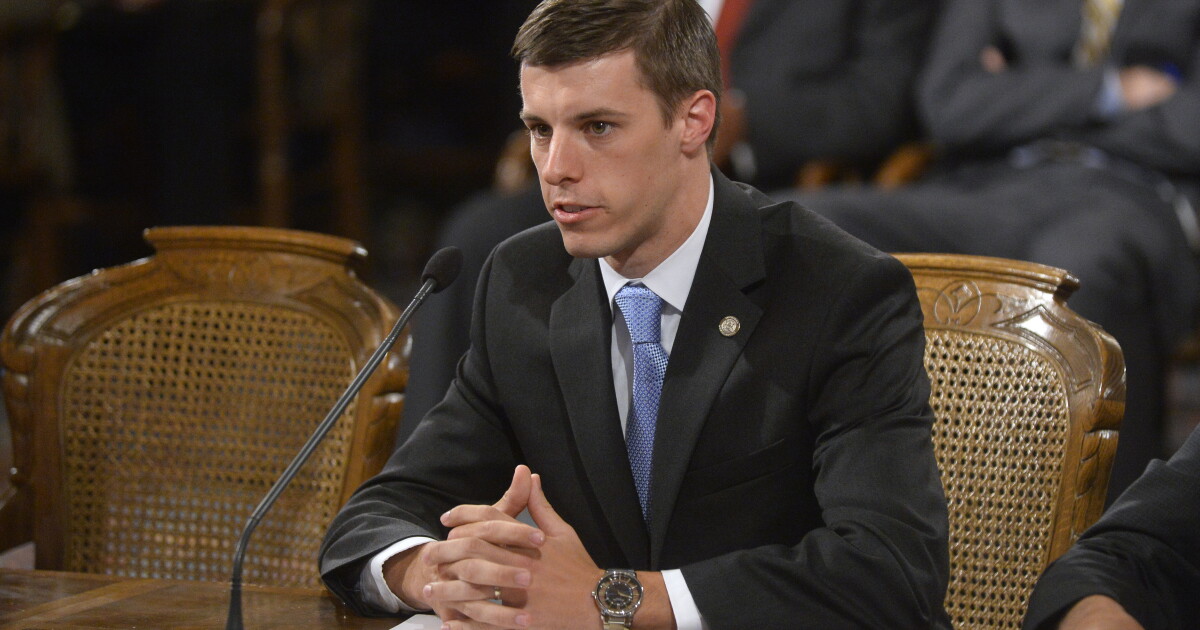
The legislation designed to offer restitution to those wrongfully imprisoned passed with difficulty on the last day of the legislative session. As Rep. Khyl Powell, the bill’s sponsor, argued, “When people are erroneously found convicted…isn’t it right to compensate them, isn’t it right to somehow pay the restitution they are deserving?”
The law proposes compensation at 200% of the median household income per year of imprisonment, adjusted for inflation, and allows up to $500,000 for additional damages. It also covers expenses related to health care, education, and legal fees.
Challenges in Implementation
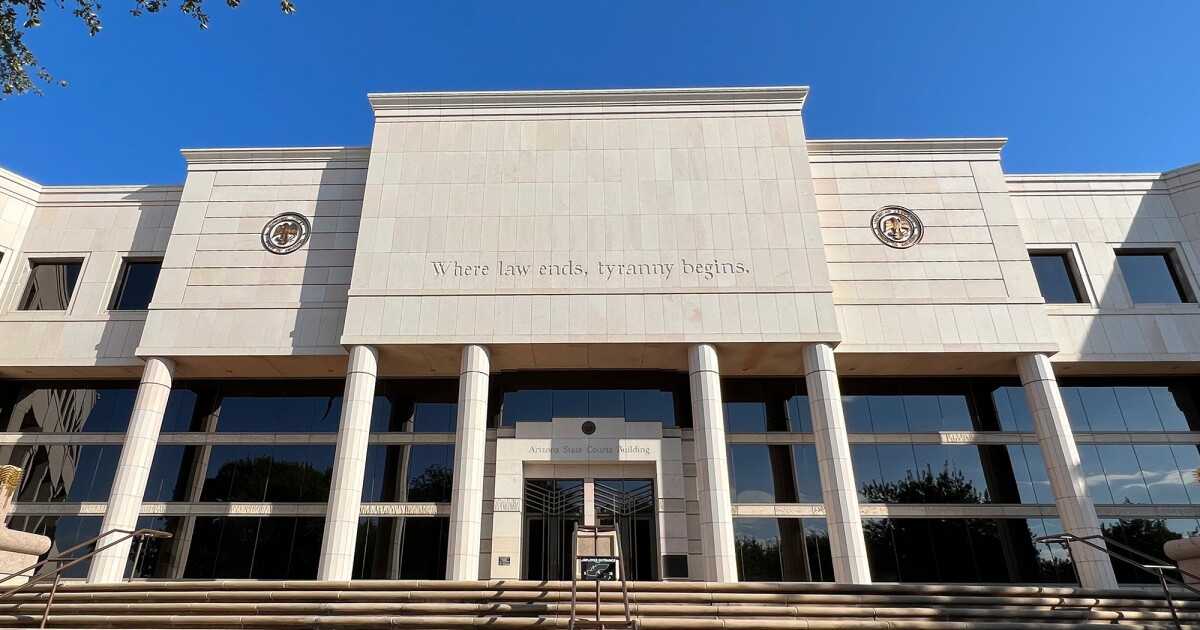
Despite its clear intent, the law lacks specificity, posing challenges for the Attorney General’s Office which must process these claims. Nick Klingerman of the criminal division noted the complexity, saying, “It’s just not always simple.” The office is tasked with sending applications to court for approval, but if it disagrees, a court hearing is necessary.
Cases like one involving a man whose conviction was vacated due to a claim of innocence present challenges in determining the applicability of the law. Additionally, the fund’s limited resources mean that not all claims may be settled in full, an issue yet to be resolved.
Potential Legislative Adjustments
In response to these challenges, Rep. Powell has proposed further legislation to refine the program’s requirements, particularly regarding who bears financial responsibility. His proposal suggests the state should seek reimbursement from local jurisdictions if they are liable.
Powell is also looking into securing continuous funding to prevent the program from ending in 2027, arguing that with time, the demand on the fund should decrease as the law encourages more cautious prosecution.
Cases Await Resolution
As the Attorney General’s Office processes applications, delays are anticipated. The law stipulates a 30-day referral period to the court, but extensions can be requested. This poses a problem for cases like that of Louis Taylor, who spent 42 years in prison and now, at 70, faces a race against time.
With lawmakers considering amendments that might not take effect until September, the Attorney General’s Office could find itself operating under evolving legal frameworks, adding complexity to an already challenging situation.
—
Read More Arizona News