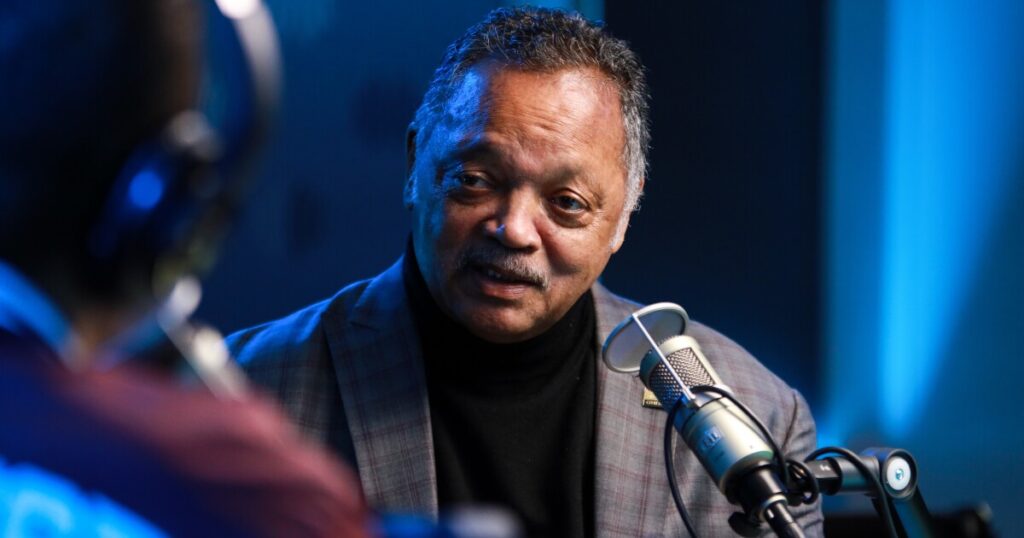
The world recently bid farewell to a towering figure in the fight for civil rights. Rev. Jesse Jackson, a prominent activist, and close associate of Dr. Martin Luther King Jr., passed away at 84. Known for his profound impact on American political and social landscapes, Jackson leaves behind a legacy that reshaped the Democratic Party and inspired countless marginalized voices.
“Our father was a servant leader — not only to our family, but to the oppressed, the voiceless, and the overlooked around the world,” the Jackson family expressed in a public statement. “We shared him with the world, and in return, the world became part of our extended family.”
Born on October 8, 1941, in Greenville, S.C., Jackson’s journey of advocacy began early. A pivotal moment occurred during his freshman year at the University of Illinois when he faced segregation at a local library. This experience propelled him to join the “Greenville Eight” in a sit-in that led to his arrest in 1960, marking the beginning of his lifelong commitment to civil rights.
Jackson’s activism gained momentum as he joined Martin Luther King Jr. in the 1965 Selma marches. He later became an influential leader within the Southern Christian Leadership Conference, heading the Operation Breadbasket initiative to uplift Black economic conditions. Tragically, he was present during King’s assassination in Memphis in 1968.
Following King’s death, Jackson founded Operation PUSH in 1971, which later evolved into the Rainbow PUSH Coalition. This organization became a cornerstone in championing civil rights and political empowerment for Black Americans.
Presidential Ambitions
In 1983, Jackson announced his candidacy for the presidency, making history as the second Black individual to seek a major party’s nomination. His campaign, founded on the inclusive “Rainbow Coalition” philosophy, registered over a million new voters, although it faced challenges, including controversial remarks and associations.
Despite these hurdles, Jackson’s presidential bids in 1984 and 1988 broke new ground for Black political participation. Though he never secured the nomination, his campaigns paved the way for future leaders of color, including Barack Obama.
Global Influence and Later Years
Jackson’s influence extended beyond U.S. borders. He played critical roles in negotiating the release of American hostages and brought attention to international human rights issues. He also hosted Both Sides with Jesse Jackson on CNN, fostering dialogue on pressing social matters.
In 2000, Jackson received the Presidential Medal of Freedom, recognizing his extensive contributions. However, his personal life faced scrutiny, including revelations about an extramarital child, which he addressed publicly.
Jackson continued to engage in activism despite his health challenges, including Parkinson’s disease and later, progressive supranuclear palsy. He remained a vocal advocate for justice, participating in protests and addressing issues like police brutality.
Rev. Jesse Jackson is survived by his wife, Jacqueline, and their six children. His life and work leave an indelible mark on the pursuit of equality and justice.
—
Read More Michigan News