
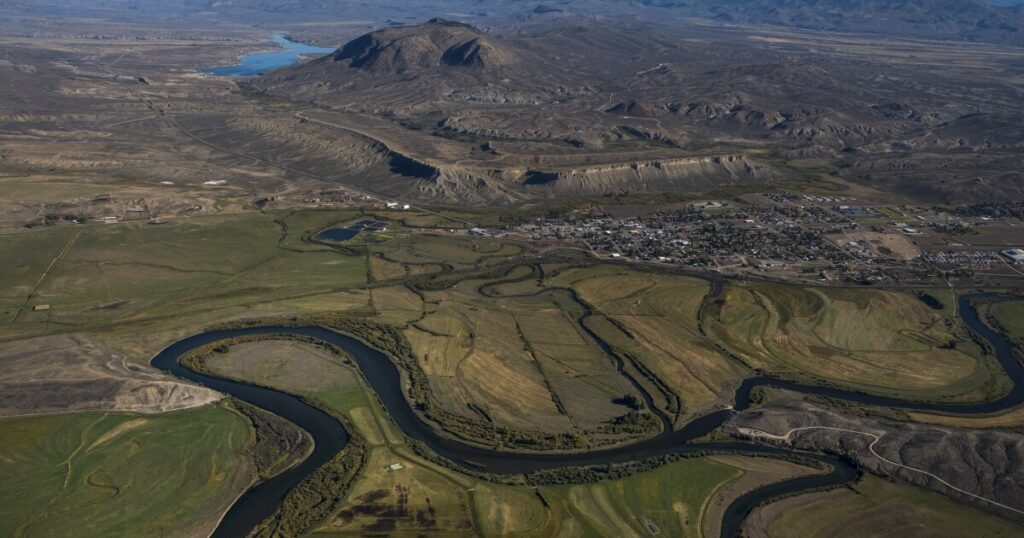
Amidst the complexities of regional water management, the Colorado River basin is facing heightened concerns over potential water shortages due to a lack of consensus among seven states. As the deadline passed without a conservation agreement, the potential for severe repercussions looms large.
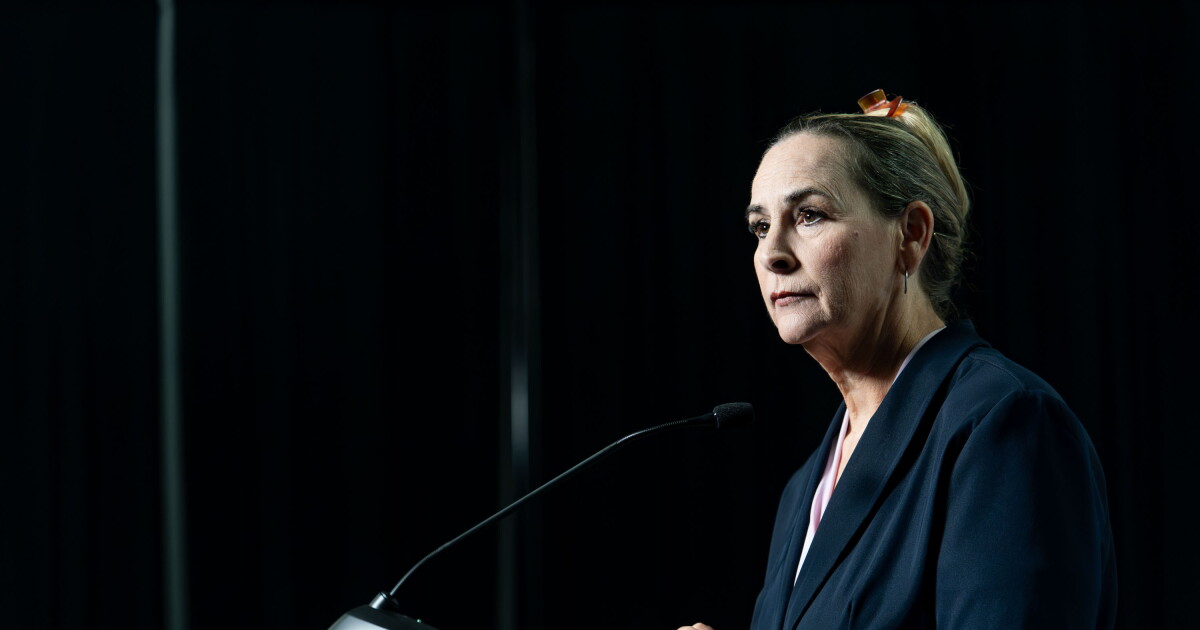
Celene Hawkins, the Colorado River Program Director at The Nature Conservancy, emphasized the urgency of the situation: “This winter has been a really stark illustration of some of the challenges that we may face in keeping our watersheds and rivers and lands healthy,” she remarked. Hawkins stressed the importance of focusing on solutions, noting that the failure to act could be “profoundly terrifying.”
Conservationists are advocating for the introduction of measures such as conservation pools and climate response indicators to guide water release decisions from Lake Powell, crucial for adapting to drought conditions. However, these initiatives may stall if state officials fail to reach an agreement before the expiration of the current operating guidelines at Lake Powell and Lake Mead.
Hawkins warned against resorting to legal avenues to resolve the impasse: “The courtroom is not the place” for crafting innovative solutions to enhance the river’s health. She cautioned that litigation would divert essential resources away from necessary decisions, delaying progress in addressing one of the worst hydrological conditions on record.
The ongoing stalemate has thrown the future of the river into uncertainty, compounded by low snowpack and grim forecasts for the river’s reservoirs.
A recent meeting of basin governors in Washington, D.C., failed to deliver progress, leaving states from the upper basin at odds with those in the lower basin over water conservation strategies. The upper basin states—Colorado, Utah, Wyoming, and New Mexico—expressed frustration, stating that their downstream counterparts are demanding water allocations that exceed what is available. Meanwhile, Arizona, California, and Nevada are urging for mandatory restrictions during drought periods.
Sinjin Eberle from American Rivers urges negotiators to persist in dialogue, stating, “Hang in there. Do your best to set aside your differences, because the hydrology is going to force the hand of a really dire situation if action isn’t taken now.” The unresolved negotiations may jeopardize municipal water supplies and harm ecosystems, including the Grand Canyon, and threaten the recreation industry.
American Rivers and The Nature Conservancy receive funding from the Walton Foundation, which also supports KUNC’s Colorado River coverage. This story is part of ongoing coverage of the Colorado River, produced by KUNC in Colorado and supported by the Walton Family Foundation. KUNC is solely responsible for its editorial coverage.
—
Read More Arizona News


![Jody White’s Unconventional Michigan Supreme Court Candidacy Explored[embed]https://www.youtube.com/watch?v=8NfxFIPE4ac[/embed]](https://www.kitchentablenews.org/wp-content/uploads/2026/10/Jody-Whites-Unconventional-Michigan-Supreme-Court-Candidacy-Exploredembedhttpswwwyoutubecomwatchv8NfxFIPE4acembed.com2F842F0e2Fc7223daa43c9876b36a4e00773a42Fme-supc.png "Jody White’s Unconventional Michigan Supreme Court Candidacy Explored[embed]https://www.youtube.com/watch?v=8NfxFIPE4ac[/embed]")