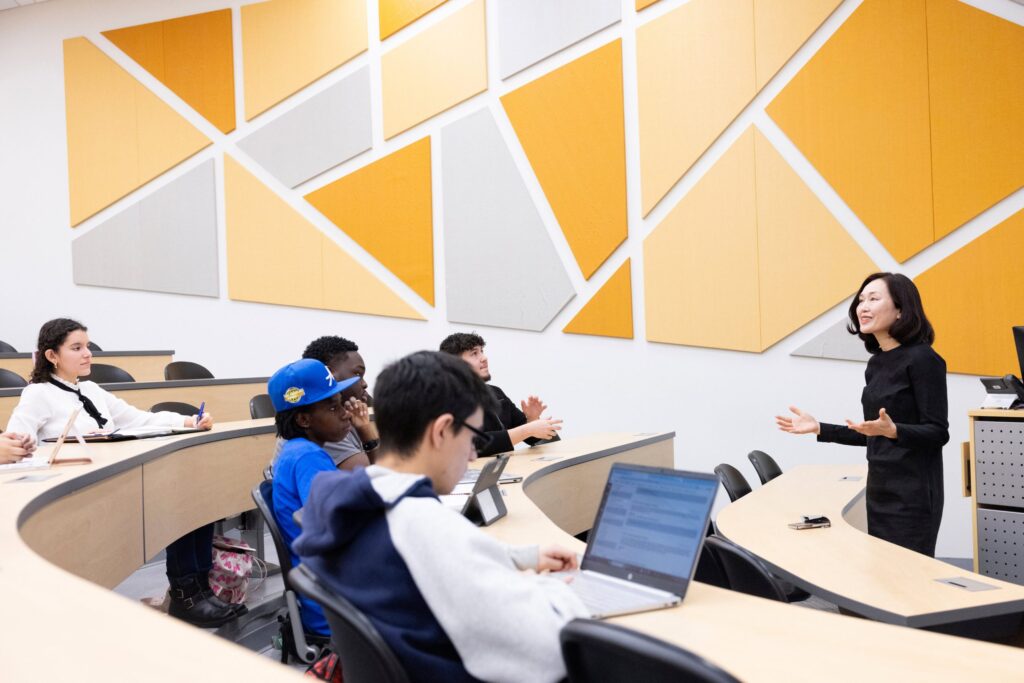
U.S. high schools must prioritize college and career readiness as a fundamental responsibility, not merely an optional add-on. Schools are striving to improve post-graduation preparation through FAFSA completion events, career fairs, internships, and dual-credit classes. However, these initiatives often lack a unified strategy. A systemic integration of college and career readiness into school organization, funding, and leadership is essential for these efforts to reach their full potential.
Currently, college and career readiness often manifests as ad hoc activities, with various programs layered onto existing structures, leading to a fragmented system. Research on school improvement likens this to “Christmas tree schools”—where numerous programs fail to guide students effectively after high school graduation. Unlike core subjects, college and career readiness lacks the sustained funding and focus that academic subjects receive.
State accountability systems emphasize graduation rates and test scores, providing weak incentives for rigorous postsecondary preparation. Consequently, school leaders often prioritize areas that receive more funding and oversight, sidelining efforts to aid students’ transitions post-graduation. High school counselors, who are crucial for this work, face overwhelming caseloads and structural constraints. On average, a high school counselor serves 376 students, well above the recommended ratio.
Districts seldom prioritize college and career readiness in their strategic planning. Less than 15 percent of district plans explicitly address it, often omitting it from individual school improvement plans. Principal preparation programs focus more on instructional leadership than on developing pathways from high school to future careers. As a result, college and career readiness often remains marginalized.
Efforts to fill this gap are often uncoordinated. Community-based organizations and dual-enrollment programs have increased, and states are expanding work-based learning opportunities. However, student participation is often fragmented, lacking the strategic approach needed to sustain postsecondary success. Effective strategies emphasize integration, aligning staffing, planning, curricula, and partnerships with clear goals for postsecondary preparation.
Districts should expand their advising capacity, incorporate clear college and career readiness goals into strategic plans, and streamline curricula and data systems for coherence. Schools need fewer, well-aligned systems that connect with state frameworks and local strategies. The Education Strategy Group’s CCR platform overview offers valuable insights for leaders on choosing effective data systems.
—
Read More Kitchen Table News


![Jody White’s Unconventional Michigan Supreme Court Candidacy Explored[embed]https://www.youtube.com/watch?v=8NfxFIPE4ac[/embed]](https://www.kitchentablenews.org/wp-content/uploads/2026/10/Jody-Whites-Unconventional-Michigan-Supreme-Court-Candidacy-Exploredembedhttpswwwyoutubecomwatchv8NfxFIPE4acembed.com2F842F0e2Fc7223daa43c9876b36a4e00773a42Fme-supc.png "Jody White’s Unconventional Michigan Supreme Court Candidacy Explored[embed]https://www.youtube.com/watch?v=8NfxFIPE4ac[/embed]")