The echoes of a controversial past resonate in New Mexico as the state embarks on an investigation into the forced sterilizations of Native American women, an action taken decades ago without their informed consent. This initiative seeks to shed light on a dark chapter in history and its enduring impact on Native communities.
Legislators in New Mexico have approved an examination into the history and effects of coerced sterilizations carried out by the Indian Health Service and other healthcare providers. This inquiry will be conducted by the state Indian Affairs Department and the Commission on the Status of Women, with a report due to the governor by the end of 2027.
“It’s important for New Mexico to understand the atrocities that took place within the borders of our state,” remarked state Sen. Linda Lopez, a sponsor of the legislation.
New Mexico is not alone in confronting this issue. Vermont initiated a truth and reconciliation commission in 2023 to study similar cases, and California began compensating victims of non-consensual sterilizations in 2024.
A Disturbing Legacy
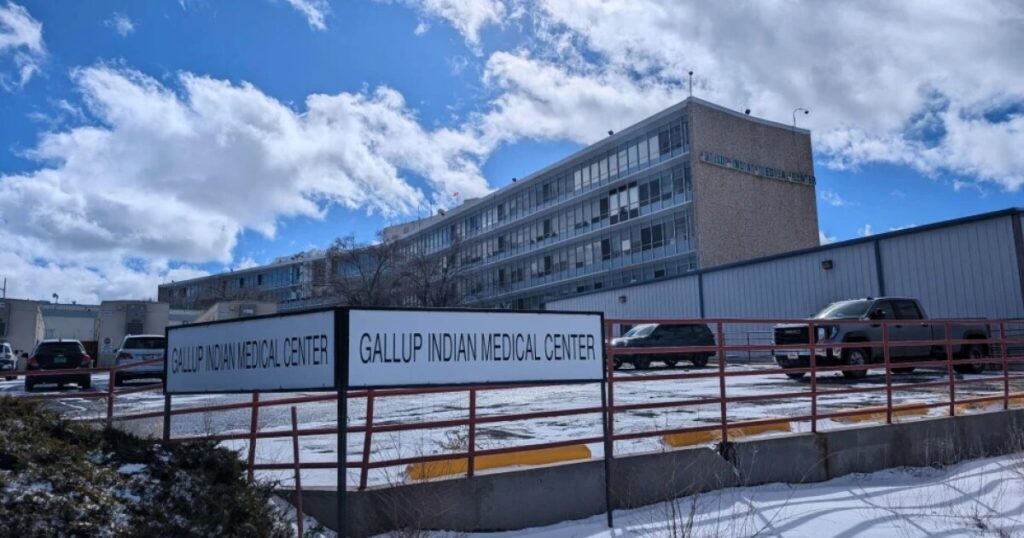
Jean Whitehorse, a citizen of the Navajo Nation, recounted her own experience in 1972 when she was admitted to an Indian Health Service hospital in Gallup, New Mexico, for a ruptured appendix. At just 22 years old, she was presented with consent forms amidst extreme pain, signing them under duress.
Years later, when attempting to conceive another child, Whitehorse discovered she had undergone a tubal ligation without her knowledge. This revelation devastated her, affecting her personal life and mental health.
The activist group Women of All Red Nations (WARN) was one of the first to raise alarms about such practices. In 1974, Dr. Connie Redbird Uri reviewed records and claimed the Indian Health Service had sterilized up to 25% of its female patients of childbearing age. The allegations led to a government audit, which documented 3,406 sterilizations in several service areas from 1973 to 1976.
Voices Seeking Justice
Whitehorse remained silent for nearly four decades before sharing her story, first with her family and then publicly. “Each time I tell my story, it relieves the shame, the guilt,” she said. “Now I think, why should I be ashamed? It’s the government that should be ashamed of what they did to us.”
While Whitehorse has testified at the United Nations, advocates like Rachael Lorenzo, executive director of Indigenous Women Rising, caution that the commission must handle survivors’ stories with care to prevent re-traumatization.
Dr. Donald Clark, a retired Indian Health Service physician, testified that historical mistrust still influences women’s decisions about birth control today, as stories of past abuses are passed down through generations.
A Broader Context of Disenfranchisement
The sterilizations of Native American women are seen as part of a larger pattern of policies aimed at undermining the reproductive autonomy of marginalized groups. From a 1927 Supreme Court ruling that allowed sterilization of the “unfit,” to the placement of Indigenous children in non-Native environments, these policies have historically targeted disenfranchised communities.
New Mexico’s investigation could be a step toward accountability, although Sarah Deer, a professor at the University of Kansas School of Law, notes that cooperation from federal agencies is crucial for the investigation’s success.
—
Read More Arizona News