Arizona Universities Collaborate to Address Abandoned Mine Hazards
In a significant environmental initiative, Arizona’s public universities have unveiled an advanced tool to tackle the pressing issue of abandoned mines across the state. This new interactive database is set to transform how environmental officials identify and prioritize the cleanup of these hazardous sites.
The database not only maps the locations of abandoned mines but also analyzes their interactions with crucial environmental factors such as population density, water sources, wildlife habitats, and terrain. This comprehensive approach aims to highlight areas where the mines pose the most significant threats, thus enabling the Arizona Department of Environmental Quality (ADEQ) to ensure more efficient and strategic cleanup operations.
ADEQ Director Karen Peters emphasized the project’s significance, stating, “This partnership is an important and critical step in developing smarter tools to gain a clearer understanding of where abandoned mines are and what they could mean for the people who live nearby. Through this collaboration, we will be able to prioritize cleanups more effectively and act quickly to reduce risks before they impact families and our communities. Our focus is on protecting the health of our neighbors and safeguarding the Arizona we all call home.”
This initiative stems from a three-year collaborative effort involving Northern Arizona University, Arizona State University, and the University of Arizona, supported by a $1.5 million grant from the state Board of Regents. The project integrates both historical data and modern techniques to uncover mines that were previously undocumented.
Doug Goodyear, Chair of the Arizona Board of Regents, highlighted the importance of this work, saying, “Mining has been a major force in Arizona’s growth but abandoned mine sites pose risks to people and the environment. By working together, our public universities are giving the state better information to support broad environmental planning and tools to protect water, land, and wildlife.”
While the primary focus is on mine cleanup, the technology behind this tool holds potential for broader applications, including assessing other environmental hazards and aiding in infrastructure development.
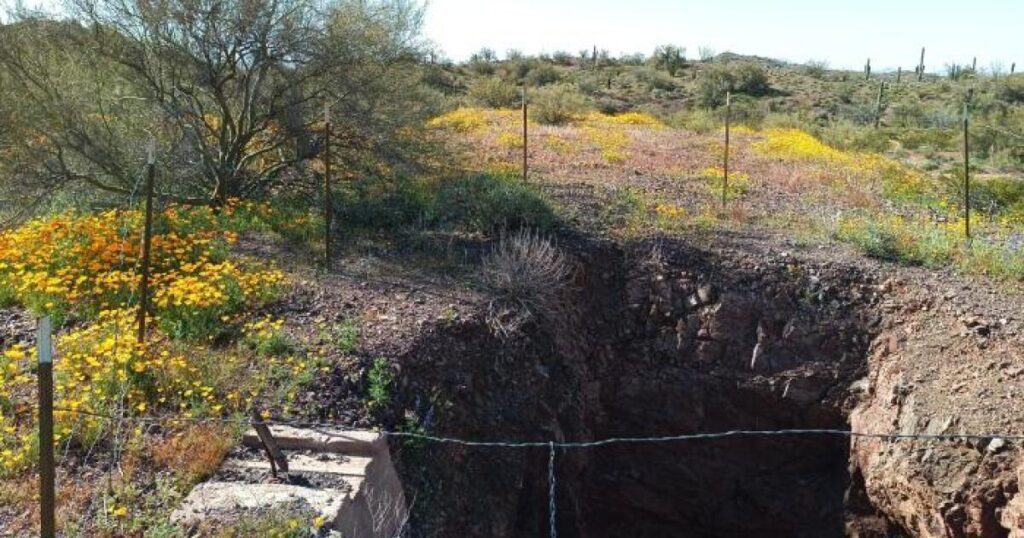
The history of mining in Arizona is extensive, dating back to the 1860s, with numerous abandoned sites scattered across the state. According to the U.S. Bureau of Land Management, these sites are riddled with dangers such as open shafts, unstable structures, and toxic residues that threaten both the environment and public safety.
Recently, the Environmental Protection Agency has initiated cleanup efforts of uranium mine waste in the Lukachukai Mountains, situated near the Four Corners on the Navajo Nation. This is just one of many efforts to address the legacy of mining in the region.
Moreover, the City of Williams has faced challenges with its water supply, where arsenic levels have consistently exceeded the U.S. Environmental Protection Agency’s safety standards in the past year, underscoring the urgency of addressing mining-related pollutants.
—
Read More Arizona News

![Jody White’s Unconventional Michigan Supreme Court Candidacy Explored[embed]https://www.youtube.com/watch?v=8NfxFIPE4ac[/embed]](https://www.kitchentablenews.org/wp-content/uploads/2026/10/Jody-Whites-Unconventional-Michigan-Supreme-Court-Candidacy-Exploredembedhttpswwwyoutubecomwatchv8NfxFIPE4acembed.com2F842F0e2Fc7223daa43c9876b36a4e00773a42Fme-supc.png "Jody White’s Unconventional Michigan Supreme Court Candidacy Explored[embed]https://www.youtube.com/watch?v=8NfxFIPE4ac[/embed]")