Michigan’s Education Challenges: What Gubernatorial Candidates Are Proposing
As Michigan gears up for its gubernatorial election, one pressing issue looms large: the state of its education system. With students facing significant challenges compared to their peers nationwide, the next governor will face tough decisions on how to address these educational hurdles. A recent Bridge Listens survey highlighted that voters consider K-12 education a top priority this election year.
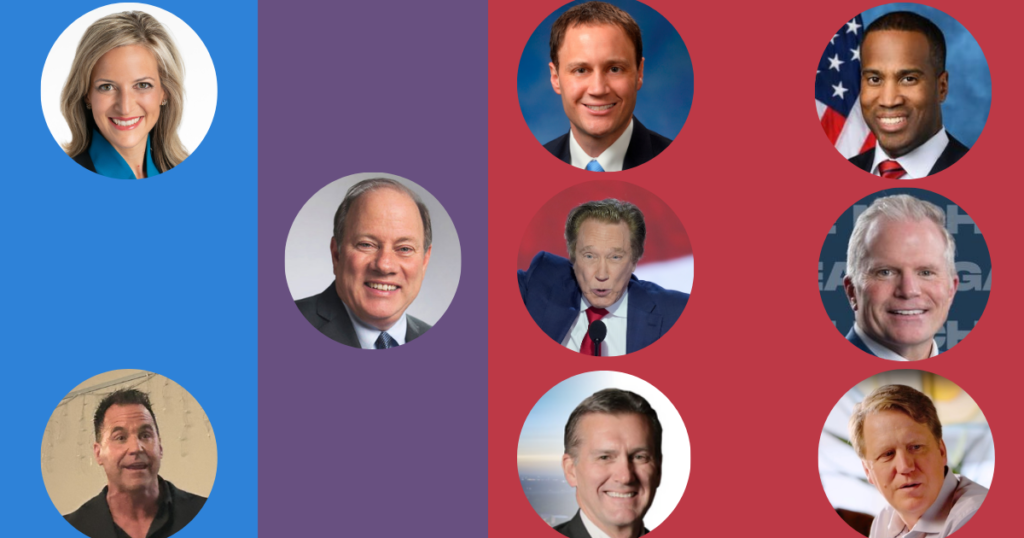
Nine leading gubernatorial candidates from across the political spectrum were asked to share their views on key educational issues. They were queried on topics ranging from childhood literacy to staff shortages in schools. Each candidate’s approach offers a glimpse into potential future policies.
Childhood Literacy
Michigan’s poor ranking in fourth-grade reading has been a concern, with the state placing 44th on the National Assessment of Educational Progress. Candidates across the board agree that significant changes are needed. Most candidates, except Swanson and Johnson, advocated for increasing the number of literacy coaches or tutors.
Republicans like James, Cox, and Leonard emphasized phonics as a teaching focus. Notably, a 2024 law mandates teacher training in reading science by 2027-28. Rebandt and Benson pointed to the LETRS training, which is part of a bipartisan bill in the Legislature.
Swanson proposed working with local districts to enhance early childhood education. Leonard and Nesbitt suggested reinstating a third-grade reading retention law, repealed in 2023, to address literacy challenges.
Choice and Charters
On the topic of school choice and charter schools, Republican candidates largely support parental choice and the Education Freedom Tax Credit, which provides tax incentives for private school tuition. James expressed strong support, promising to join the federal choice program immediately if elected. In contrast, Democrats like Benson and Swanson emphasized strengthening public schools and ensuring that charter schools meet the same standards.
Johnson emphasized the need for flexibility and diversity in the charter system, while Duggan, an independent, remains cautious, seeking to understand the potential impact on public funding.
College Readiness
With only 27% of high schoolers in Michigan deemed college-ready, candidates are considering various strategies to improve outcomes. Both Duggan and Benson proposed significant expansions in career and technical education (CTE), with Duggan advocating for a substantial increase in CTE funding.
Leonard looked to other states for inspiration, referencing Tennessee’s Promise and Reconnect programs. He, along with Cox, also stressed the foundational importance of literacy. Swanson highlighted the need for military service opportunities and support for former inmates reentering society.
Staff Challenges
Addressing teacher shortages, candidates proposed easing entry into the teaching profession and increasing compensation. Benson suggested a starting salary of $60,000 for teachers, while Duggan favored teaching apprenticeships and reciprocal certification for out-of-state teachers.
James and Leonard advocated for easing licensing restrictions to attract more teachers. Nesbitt and Johnson emphasized rewarding effective educators without lowering credentialing standards.
Changing School Metrics
Michigan’s school accountability measures have shifted over the years, currently using a school index system. Republicans like Nesbitt and Rebandt support returning to an A-F grading system. Leonard proposed a new grading system based on student growth and other key factors.
Duggan suggested establishing an office of school accountability to monitor struggling schools, while Benson advocated for a globally-competitive readiness standard.
School Funding and Equity
Michigan’s per-pupil funding remains a contentious topic. While Republican candidates argue that funding levels are already high and should focus on results, Democrat Benson called for a new funding model that is transparent and equitable.
Across the board, candidates agreed on stopping budget diversions from the School Aid Fund. On student meals, candidates like James promised to ensure no needy child goes hungry while conducting audits to optimize spending.
—
Read More Michigan News