Article Summary –
The Pennsylvania Department of Education is distributing $1 million in Hunger Free Campus grants to 30 colleges, including Carnegie Mellon University, to combat student food insecurity, with Carnegie Mellon using its fourth grant of $60,000 to fund initiatives such as the “Meal Swipe” program. The Shapiro administration has secured $3 million for these grants over the last three state budgets, with recipients using innovative methods like flexible meal plans, meal-sharing programs, and community partnerships to address food security. Carnegie Mellon collaborates with Chartwells and the Greater Pittsburgh Community Food Bank to provide nutritious meals and pantry items, while also conducting assessments and planning focus groups to better understand student needs.
The Pennsylvania Department of Education is allocating $1 million in Hunger Free Campus grants to 30 colleges and schools, aiming to combat student food insecurity.
Entering its fourth year, this program has aided 92 institutions across the state since 2023. Carnegie Mellon University has received its fourth $60,000 grant.
Elizabeth Vaughan, associate dean of student affairs and community engagement at Carnegie Mellon University in Pittsburgh, stated that most Hunger Free Campus funds will enhance a range of food initiatives, notably the “Meal Swipe” program catering to students with the greatest needs.
“Our ‘Meal Swipe’ program provides essential resources, allowing students access to our ‘all you care to eat’ dining hall and a secondary allergen-free location,” Vaughan explained.
Gov. Josh Shapiro’s administration has secured $3 million in Hunger Free Campus grants over three state budgets. Schools are tackling food insecurity with strategies like SNAP-compatible meal plans, meal-sharing programs, student leader training, and establishing community partnerships.
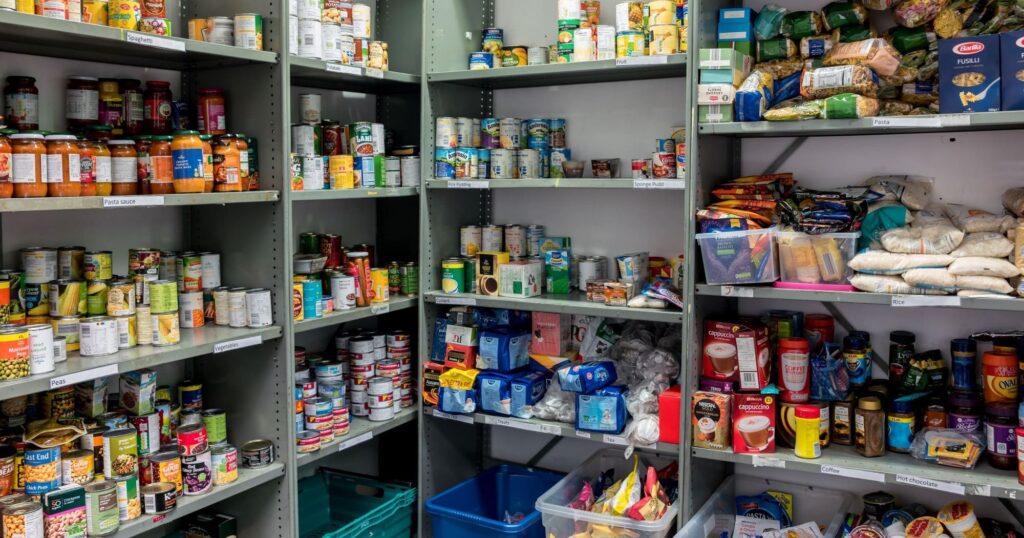
Vaughan highlighted the campus pantry, which offers nonperishable foods, hygiene supplies, and fresh produce. The grant is enabling assessments to determine student requirements and provide nutritious, quick meals via the pantry.
“We’ve collaborated with Chartwells to create a frozen meal program,” Vaughan emphasized. “These meals are ready-to-heat and nutritionally rich.”
Chartwells serves as the university’s dining vendor. Vaughan stressed Carnegie Mellon’s diverse student community, with its pantry sources largely from the Greater Pittsburgh Community Food Bank.
Vaughan also mentioned that grant funds will aid in repackaging bulk foods and organizing focus groups to understand student needs better.
Support for this reporting was provided by Lumina Foundation.
—
Read More Pennsylvania News