Article Summary –
With the expansion of data centers and large farming operations in Wisconsin, rural advocates raise concerns about corporate extraction and environmental impacts, citing significant energy consumption and water usage by these industries. Supporters argue that data centers contribute to economic growth, job creation, and improved digital infrastructure, while farming operators claim they comply with state regulations to protect the environment. Meanwhile, local governments and lawmakers are exploring regulations to control data center growth, with a focus on the need for stronger legislative action and community organizing to address these issues.
By Judith Ruiz-Branch
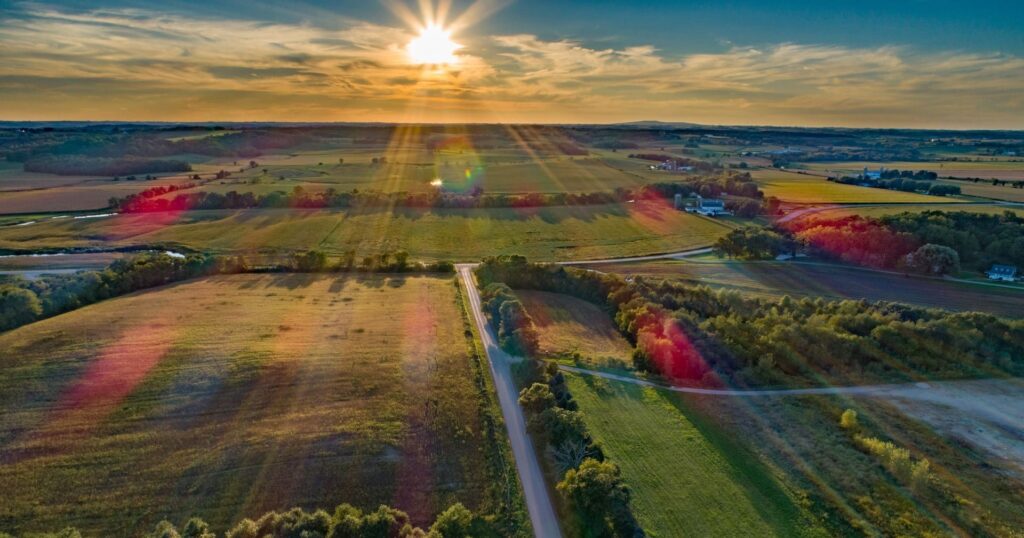
Amidst an increase in data centers and large farm expansions in Wisconsin, rural advocates are raising concerns about perceived corporate extraction from local communities.
The state hosts at least 50 data centers and over 350 permits for concentrated animal feeding operations, with more pending. Two AI data centers are projected to consume more energy than all Wisconsin homes combined, as reported by Clean Wisconsin.
Danny Akenson from Grassroots Organizing Western Wisconsin expressed concerns about the industries’ high water consumption and significant climate risks to air, land, and water quality.
“These industries exemplify a corporate agenda extracting wealth, resources, and shifting operational costs onto community members,” Akenson stated.
Proponents argue data centers drive economic development, job creation, and enhance digital infrastructure. Meanwhile, large farm operators insist state regulations protect the environment and that expansion is essential to meet demand.
As local governments aim to control new data center construction, Wisconsin lawmakers are contemplating regulation strategies, such as a bill to keep data center information public.
Akenson claimed current state regulations inadequately shield communities from adverse impacts, enabling corporate excess.
“In Wisconsin, mega dairies and CAFOs are increasingly squeezing small farmers out,” Akenson said. “Even family-owned CAFOs of 1,000 or 2,000 cows face a different scale.”
Akenson indicated Wisconsin’s election year will spotlight environmental issues as key campaign topics, highlighting the need for local organizing and stronger legislative measures to combat systemic issues.
—
Read More Wisconsin News