In Wisconsin, a teacher named Lauren received a call offering to forgive 80% of her federal student loans for a fee. With a debt of around $60,000, she was interested but skeptical. When she asked for more details, the caller hung up abruptly.
Lauren, who asked to remain partially anonymous to avoid more scams, explained she receives similar calls weekly, often claiming to be from federal agencies.
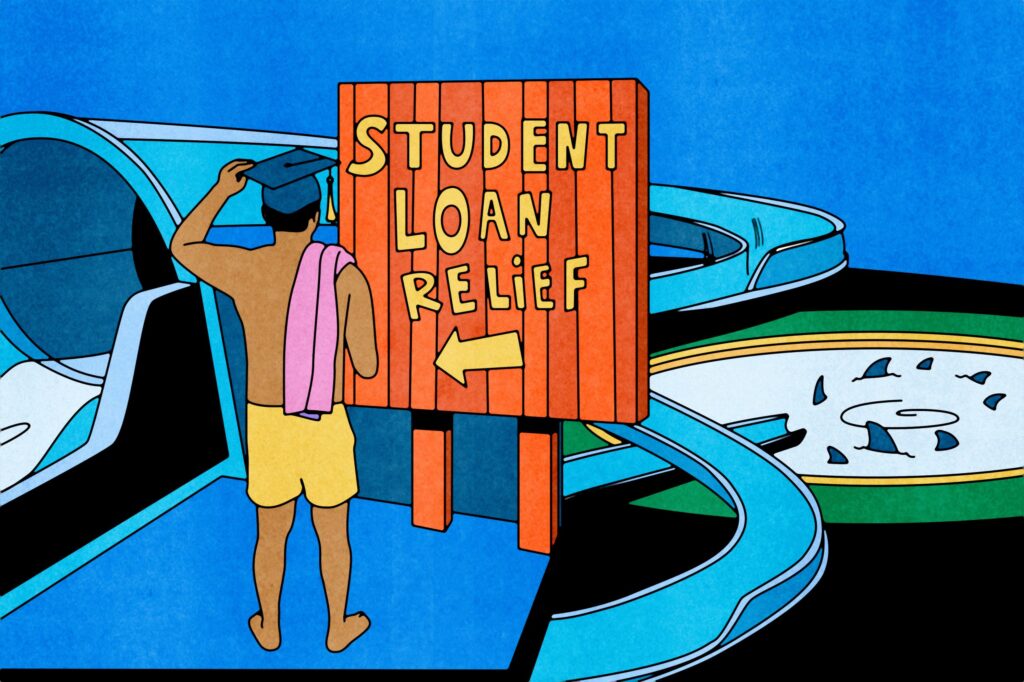
These scams have proliferated as changes in the federal student loan program create openings for fraudsters targeting the 40 million U.S. adults with student debt. Experts reveal that many firms charge high fees for services borrowers can do themselves.
During times of student loan policy change, these scams spike, exploiting borrower confusion. Under the Trump administration, oversight has decreased, giving scammers more opportunities. “It’s a great time if you’re in the scam business,” said Betsy Mayotte from The Institute of Student Loan Advisors.
Related: 5 big questions to help you understand the current state of student loans
Student loan borrowers resumed payments in October 2023 after a pandemic pause. Earlier, a judge’s ruling ended the SAVE repayment program, affecting over 7 million enrollees. Confusion over repayment options persists as borrowers struggle for clear guidance from loan servicers.
Federal oversight shifts from the Department of Education to the Treasury Department have heightened concerns. Under Trump, efforts to crack down on scammers have diminished, with the Consumer Financial Protection Bureau deprioritizing enforcement.
Scott Buchanan from the Student Loan Servicing Alliance argues that criticism of loan servicers adds to borrower confusion, pushing them toward deceptive schemes.
Increased misinformation on social media further complicates the landscape. A viral TikTok video falsely claimed loans could be forgiven due to a privacy violation by DOGE, adding to the confusion.
Scammers often impersonate federal agencies and demand fees, worsening financial woes for unsuspecting borrowers. According to Bonnie Latreille, scammers exploit borrower vulnerabilities, enrolling them in fake programs and charging unjust fees.
Legal document prep companies, operating in a gray area, promote services of little value. Betsy Mayotte emphasizes that borrowers can access free resources for student loan assistance, like state-based ombudsman offices.
Consumer awareness and enforcement are key to combating scams. With AI tools like ChatGPT struggling to provide accurate loan information, experts urge governments to enforce regulations against fraudsters effectively.
Levine warns that AI-driven scam calls have made it easier for fraudsters to target borrowers, necessitating increased vigilance from state and federal authorities.
Contact investigations editor Sarah Butrymowicz at butrymowicz@hechingerreport.org or on Signal: @sbutry.04.
This story about student debt relief was produced by The Hechinger Report, a nonprofit, independent news organization focused on inequality and innovation in education. Sign up for our higher education newsletter. Listen to our higher education podcast.
—
Read More Kitchen Table News