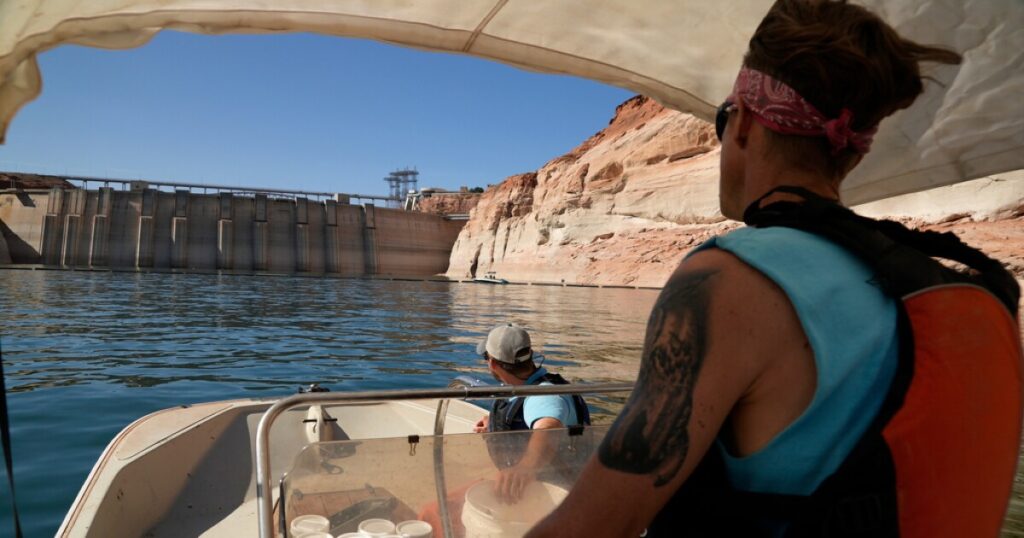
As the Colorado River grapples with dwindling water levels due to overuse and climate change, officials are confronted with a dilemma: prioritize ecological conservation or manage rising electricity costs for consumers.
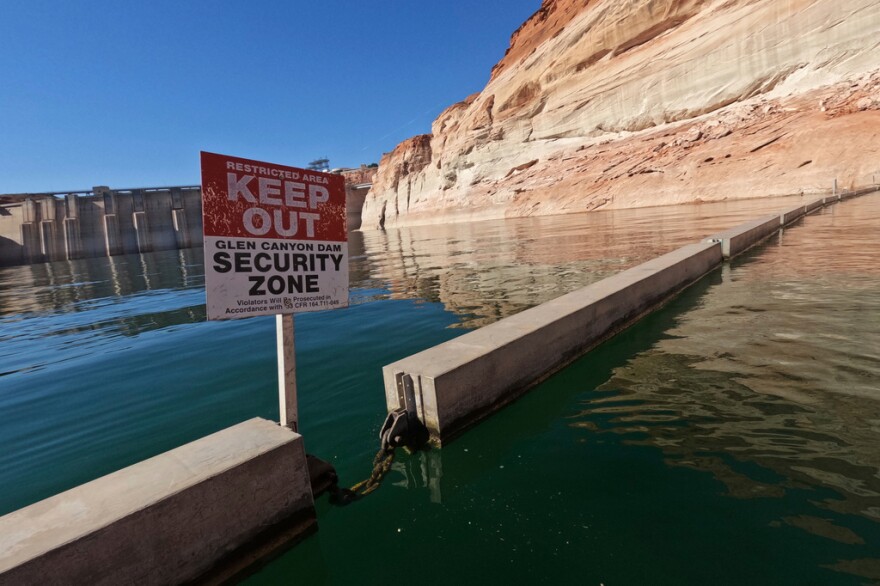
Efforts to protect the endangered humpback chub, a native fish species, might require Glen Canyon Dam in Arizona to release cold water from deep within its reservoir to cool the river below. This “cool mix flow” would bypass the dam’s turbines, leading to reduced hydropower generation.
The proposal comes amid the worst snowpack recorded in the Colorado River Basin, affecting millions across seven U.S. states, tribal nations, and Mexico. The states have yet to establish a long-term agreement on resource allocation as current guidelines near expiration.
“There is a limited water supply. It’s getting even lower. And with that, a lot of hard decisions need to be made,” stated John Berggren, a policy manager with Western Resource Advocates.
Hydropower customers argue that purchasing alternative energy due to the cool water releases would impose financial burdens. On the other hand, proponents emphasize the necessity of these releases to prevent non-native predatory fish from endangering the humpback chub and to preserve a renowned trout fishery.
The Bureau of Reclamation is considering both the ecological impact and hydropower production in its upcoming decision. If approved, the cool water release would occur from June to October, bypassing turbines near the surface.
Brittany Peterson/AP Photo
/
AP
How Cool Water Aids Fish Conservation
At just 23% capacity, Lake Powell is experiencing record-low inflows, exacerbated by climate change. Warm surface water flows through generators, but this also allows smallmouth bass to enter the downstream river, challenging native species like the humpback chub.
Since the 1980s, smallmouth bass have inhabited Lake Powell, posing a threat to federally protected fish in the Grand Canyon. A recent study indicates that half of these bass survive the turbines and can reproduce if water temperatures exceed 60 degrees Fahrenheit.
Past cool water releases in 2024 and 2025 successfully prevented bass spawning. “We are certainly just giving up on the future for any kind of recovery for humpback chub,” said Heather Whitlaw from the U.S. Fish and Wildlife Service.
Without a permanent solution to halt predator passage through the dam, manual removal would remain the only option without cool releases.
Brittany Peterson/AP Photo
/
AP
Hydropower and Economic Concerns
Utilities dependent on federal hydropower face potential challenges with cool water releases. Heber Light & Power notes that bypassing turbines could cut generation at Glen Canyon Dam by half, necessitating the purchase of more expensive power alternatives.
The Colorado River Energy Distributors Association questions the cost-effectiveness of the releases, suggesting remediation may exceed $20 to $30 million annually.
Hydropower loss due to Lake Powell’s decline has already contributed to rising electricity rates in areas like Heber City. Emily Brandt, energy resource manager at Heber Light & Power, expressed concerns about further reductions in generation, emphasizing the impact on the utility’s customers.

Brittany Peterson/AP Photo
/
AP
Fisheries Face Uncertainty
Dave Foster recalls the trout die-off in 2022 due to warm water conditions in Glen Canyon. He warns that without cool water releases, the trout fishery could face irreversible harm.
Foster and his peers are still dealing with the aftermath, and he has informed clients of potential cancellations if conditions do not improve. “That’s it for the trout fishery,” he stated definitively.
—
Read More Arizona News