Higher education is facing significant challenges as rising costs deter students and parents. University leaders are actively seeking solutions to maintain college affordability. This article is part of a series highlighting these efforts.
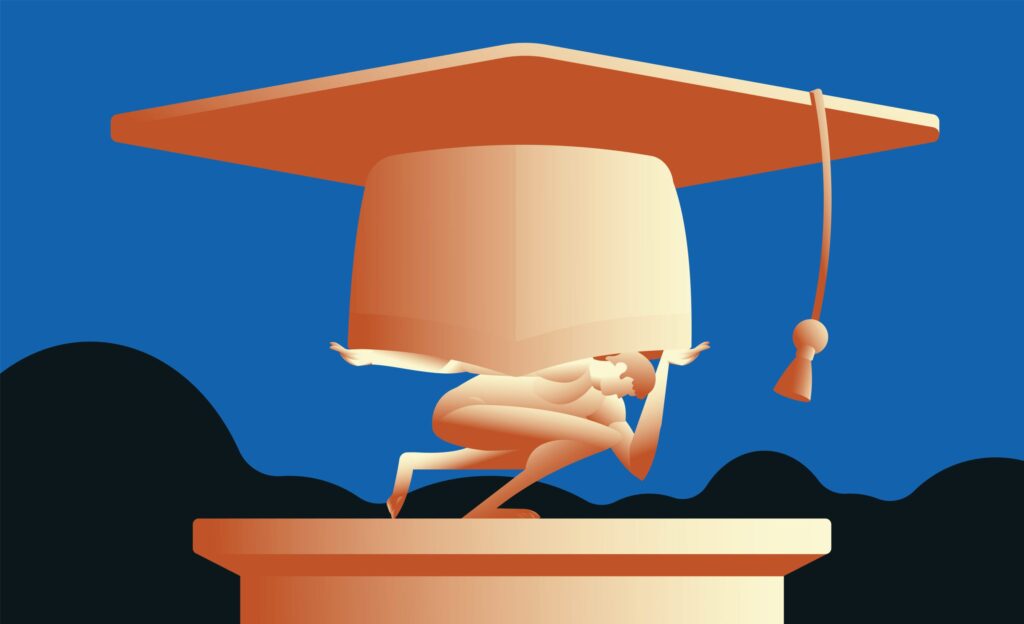
For many, paying for college is a daunting investment and increasingly feels unattainable.
In the past 20 years, tuition at private universities has surged by 112 percent, with elite institutions nearing $100,000 annually.
Public confidence in higher education is waning, as noted by students during my tenure as U.S. secretary of education under President Obama. They questioned if the investment yields sufficient returns.
To address this, the College Scorecard was launched in 2015, offering data on college value, and countering predatory for-profit colleges.
Related: Interested in innovations in higher education? Subscribe to our free biweekly higher education newsletter.
Despite these efforts, skepticism persists. The U.S. Committee on Education and Labor reports degree holders earn significantly more, yet college isn’t the default choice for many high school graduates.
Restoring trust in higher education requires prioritizing affordability as a central focus.
Students need assurance that a degree is financially viable, leading to post-graduation opportunities. Currently, 31 percent of college students consider dropping out due to costs, and more than half struggle with bills. Additionally, 85 percent of adults cite cost as a barrier to higher education.
This issue impacts the American economy’s future. By 2031, 72 percent of U.S. jobs will require postsecondary education or training. Failing to make college accessible risks leaving talent untapped and weakening economic competitiveness.
Related: How much will that college cost you? Good luck figuring it out
Change is possible. At the State University of New York (SUNY), a tuition freeze has made costs predictable, with tuition at $7,070 annually. Governor Kathy Hochul’s investments in supports like food security and childcare address barriers to education.
Programs like SUNY Reconnect offer free community college for adults in high-demand fields, making degrees more accessible.
Related: Confusing financial aid letters can leave families deeper in debt
Such programs benefit students and institutions. SUNY’s enrollment rose 6.5 percent over three years, even as other colleges face enrollment challenges.
Efforts like those in Michigan and Tennessee are expanding access with tuition-free community college programs.
However, isolated programs aren’t enough. A unified, systemwide commitment to affordability is crucial for rebuilding trust. This includes predictable tuition, need-based aid, and addressing basic needs like housing and transportation.
Public trust hinges on making college attainable and its opportunities clear. Ensuring students who start college can finish their degrees is essential for restoring confidence.
John B. King Jr. is the chancellor of the State University of New York and, under President Barack Obama, served as the 10th U.S. secretary of education.
Contact the opinion editor at opinion@hechingerreport.org.
This story about public trust in higher education was produced by The Hechinger Report, a nonprofit, independent news organization focused on inequality and innovation in education. Sign up for Hechinger’s weekly newsletter.
—
Read More Kitchen Table News