Boston Federal Judge Overturns Trump-Era H-1B Visa Fee Increase
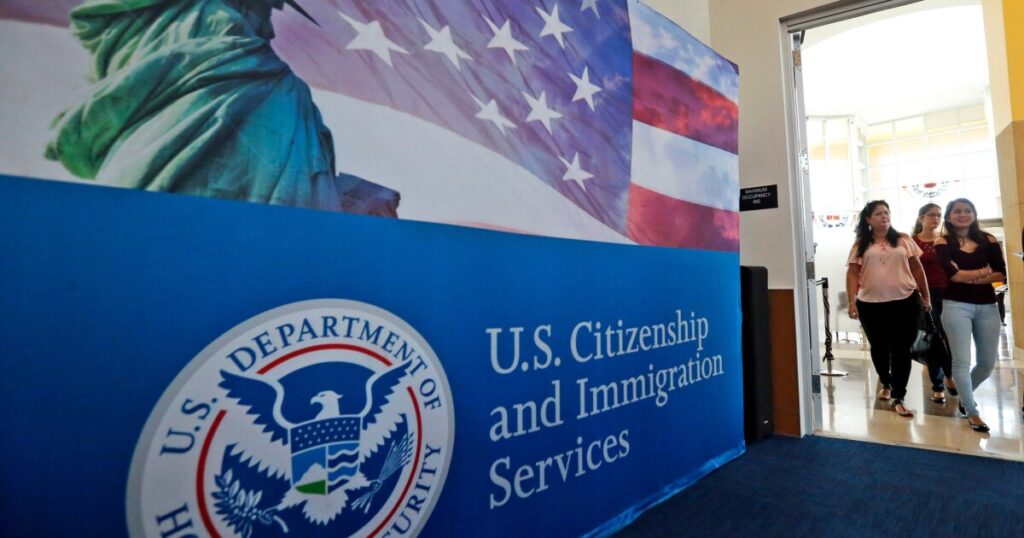
In a significant legal development, a federal judge in Boston has invalidated the Trump administration’s substantial increase in fees for H-1B visas, a decision that counters a previous court’s ruling in favor of the hike.
The $100,000 fee was originally introduced by the administration with the intention of safeguarding American jobs by curtailing the employment of foreign workers. However, U.S. District Court Judge Leo Sorokin ruled that this policy overstepped executive authority and breached the Administrative Procedure Act, which dictates the processes federal agencies must follow when creating regulations.
“The Court finds that the Policy imposes a tax on H-1B petitions without the requisite delegation by Congress,” Sorokin stated in his ruling.
H-1B visas target highly skilled positions that often lack sufficient American candidates. Predominantly utilized by leading technology firms, these visas primarily benefit workers from India, who account for nearly 75% of approvals. The new fee was seen as a further obstacle for states struggling to fill critical roles in healthcare and education.
Prior to the fee increase, H-1B applications already cost several thousand dollars, and the announcement of the hike caused widespread concern among employers, students, and international workers, leading to multiple lawsuits, including one in Boston.
In Washington, D.C., the U.S. Chamber of Commerce also filed a lawsuit against the fee, though their request for a summary judgment was denied, and the fee was set to remain until September 2026. The Boston ruling, however, offers a contrasting judgment, and additional legal challenges have emerged in San Francisco from religious and labor groups, potentially leading to varied outcomes across different appellate courts.
Massachusetts, along with other states, argued that the policy would hinder their ability to recruit educators for public schools and universities, impede research, and worsen shortages in medical staff. “Today’s victory protects the integrity of the H-1B visa program as a tool to address severe labor shortages in vital industries like education, healthcare, and medical research,” commented Massachusetts Attorney General Andrea Joy Campbell. She emphasized that the decision would enable Massachusetts to fill essential roles and attract top-tier faculty and researchers.
Echoing this sentiment, Bobby Mukkamala, President of the American Medical Association, referred to the ruling as “a victory for patients,” noting the importance of removing barriers at a time when physician shortages are prevalent nationwide. “International medical graduates play a vital role in caring for patients, particularly in underserved and rural areas,” he pointed out.
The Department of Homeland Security, however, expressed disagreement with the decision, describing it as “blatant judicial activism” and an unwarranted dismantling of President Trump’s immigration reforms aimed at protecting American workers and national identity. White House spokesperson Taylor Rogers added that the administration “is confident this order will be reversed on appeal.”
—
Read More Michigan News