This story was originally published by Grist and is reprinted with permission.
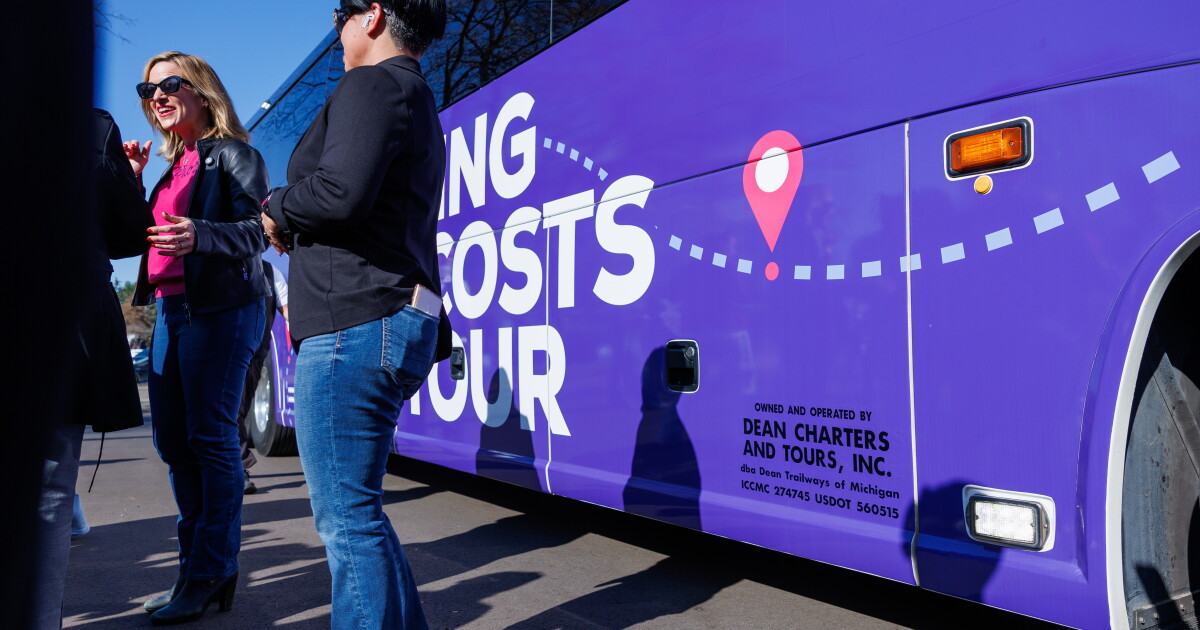
This fall, 54 million K-12 students return to school for subjects like math and biology. However, another topic is quietly making its way into the classroom: plastics. A new report by the Plastic Pollution Coalition reveals the plastics industry’s strategy to influence U.S. classrooms through lesson plans, science experiments, and initiatives like “PlastiVan” that promote the importance of plastics in modern life.
These resources are often provided to teachers at little to no cost, but they notably highlight the benefits of plastics while minimizing their environmental and health impacts. “When that information is provided to kids, it obfuscates the true impacts of plastic pollution,” said Madison Dennis, a lead author of the report. Plastics can harm marine life, expose humans to hazardous chemicals, clog storm drains, contribute to flooding, and release greenhouse gases. The Plastic Pollution Coalition urges stricter policies against industry-sponsored educational materials in schools.
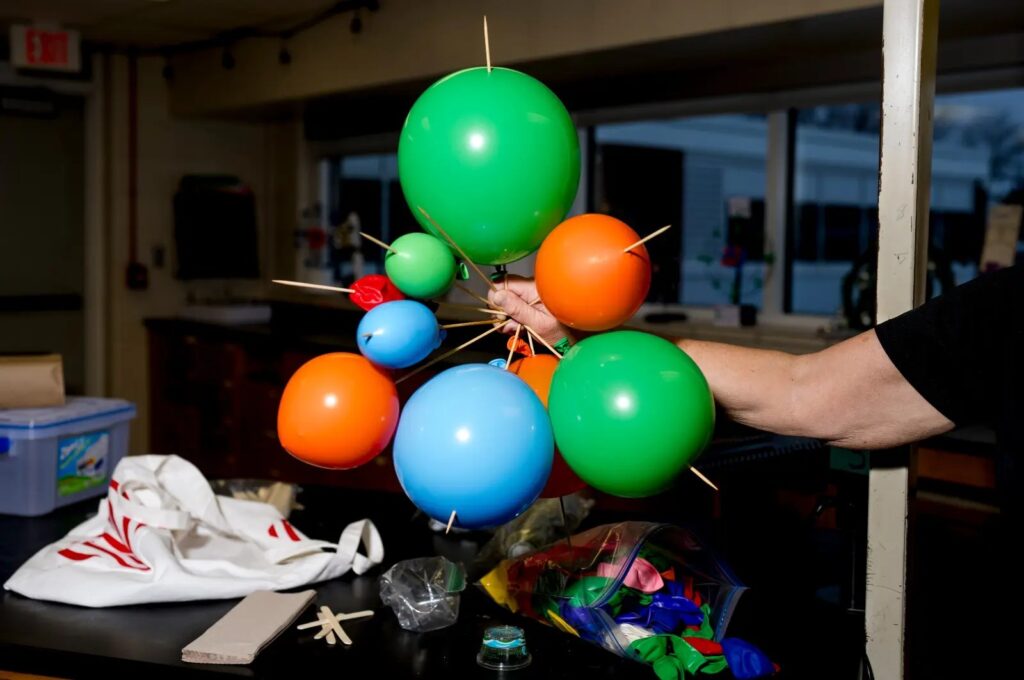
The report examines four case studies of industry influence in schools. The Society of Plastics Engineers (SPE) offers lesson plans like a “plastic scavenger hunt,” emphasizing plastics’ ubiquity and societal importance. A video, “Your Bottle Means Jobs,” illustrates how plastics recycling supports local employment. Another case involves the American Association of Chemistry Teachers, a Dow Chemical initiative. Their lessons include testing the strength of plastic bags, encouraging students to design a product as if employed by Dow Chemical.
While these materials claim to align with STEM objectives, they often subtly promote industry viewpoints, focusing on affordability and safety while blaming consumers for plastic waste. The reality is, only 9 percent of plastics are recycled globally. Investigative reports show industry groups have long known recycling can’t keep pace with plastic production growth.
Wendy Johnson, a specialist at the National Center for Science Education, critiques these lesson plans for lacking pedagogical quality. They claim alignment with STEM standards without specifying which ones or how they fit. Instead, they bombard students with industry terms like “stretch blow molding,” misleading them into thinking they’re learning science.
Dennis proposes school boards ban materials from the chemical and plastics industries. Improving overall school funding could reduce reliance on such resources. Eliminating tax breaks for petrochemical facilities might boost community funding.
Katie Allen of Algalita argues against banning industry materials outright, suggesting educators should make informed decisions. Algalita offers free, non-industry lesson plans on topics like oceanic plastic patches. Another option is for teachers to design their own curricula. Jacqueline Omania, a retired teacher, created a zero-waste classroom model in Berkeley, California, emphasizing plastic reduction and systemic change.
—
Read More Kitchen Table News