In a surprising twist in Michigan’s Senate race, the Democratic camp finds itself in a frenzy to mobilize voters after an unexpected endorsement shake-up. The spotlight has shifted to the reactions and strategies of the candidates and their parties as Election Day looms.
On the eve of the election, Democratic nominee Abdul El-Sayed urged supporters to focus on voter turnout, following a startling endorsement of his Republican opponent by his former primary rival, Rep. Haley Stevens. The endorsement, announced during a joint appearance at a church, led to Stevens’ expulsion from the state Democratic Party and sparked significant backlash from the party’s leadership.
El-Sayed, speaking at Eastern Michigan University, avoided addressing the controversy directly, emphasizing instead the importance of voter participation. Asked about the potential impact of Stevens’ endorsement, he reiterated a straightforward call to action: “Go vote.” Accompanied by Sen. Elizabeth Warren and his grandparents, El-Sayed sought to keep the focus on the campaign’s central message.
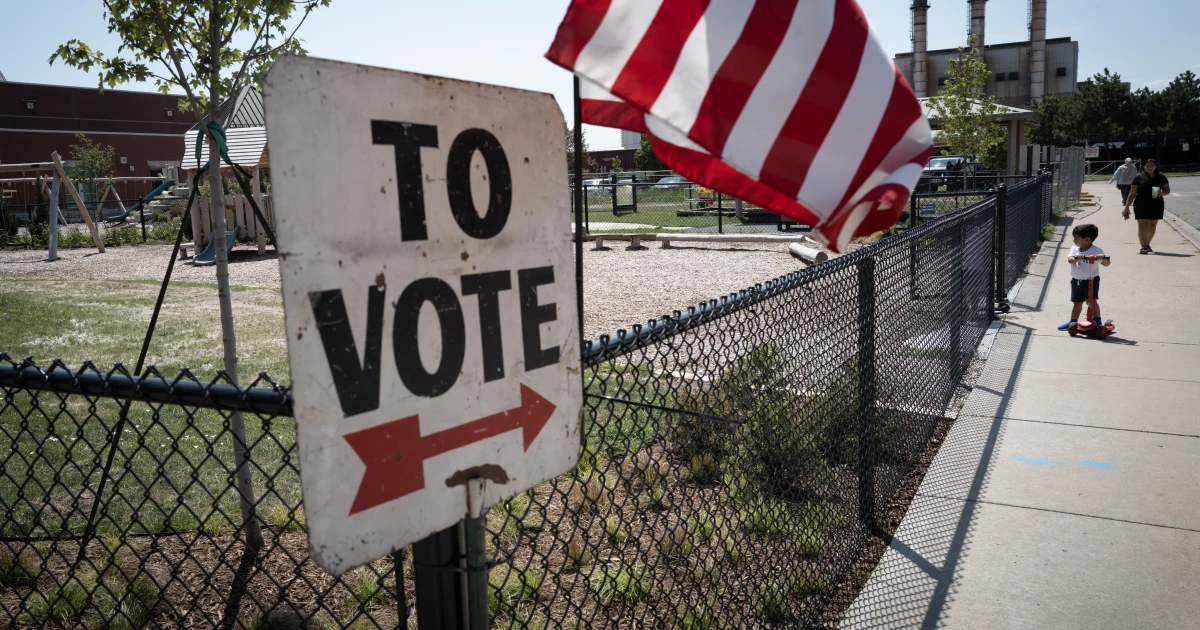
With early voting already engaged by over 2.3 million Michigan residents, the state prepares for Election Day amidst heightened political drama. Michigan’s regular early voting concluded on Sunday, with polls reopening statewide Tuesday. Lori Goldman, a seasoned Democratic organizer, noted that while many have voted, the remaining undecided voters could sway the result significantly.
Republicans Capitalize on Unexpected Endorsement
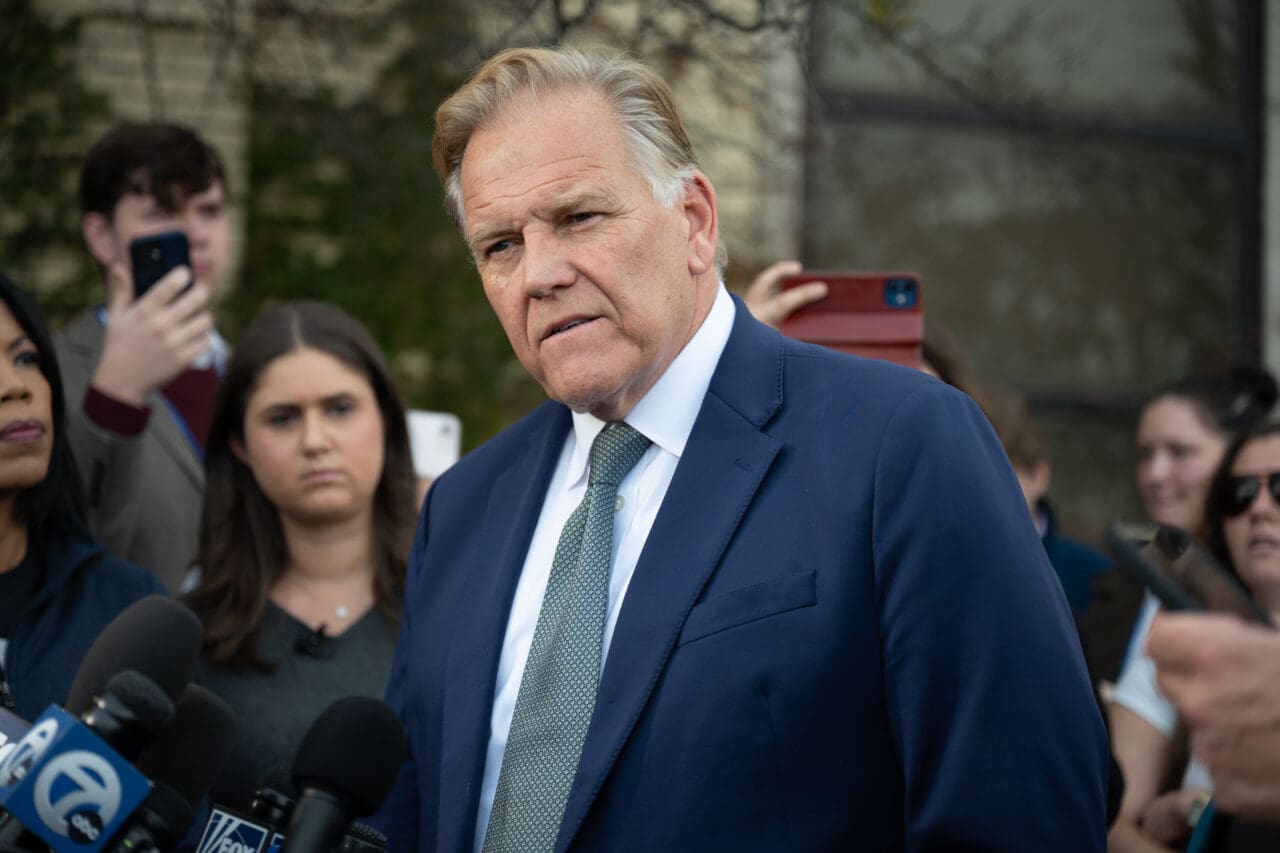
The Republican candidate, Mike Rogers, seized the opportunity provided by Stevens’ endorsement, which was described as a political coup. The endorsement was so unexpected that even Rogers’ team was unaware until it was publicly announced. The campaign quickly moved to leverage the endorsement to appeal to voters.
Democrats, meanwhile, grappled with internal divisions exacerbated by the endorsement. The primary race between El-Sayed and Stevens had been contentious, with debates over issues such as Israel and the Gaza conflict. Despite efforts to consolidate support behind El-Sayed, the endorsement has exposed ongoing rifts within the party.
Despite the upheaval, El-Sayed’s campaign reported a surge in fundraising and volunteer activity, with $2.4 million raised on Sunday alone. Michigan Democratic Party Chair Curtis Hertel suggested that the endorsement might actually serve to galvanize Democratic voters.
Backlash Against Stevens
Stevens, who had previously backed El-Sayed after losing the primary by 14,000 votes, faced widespread condemnation from former allies and constituents. Many expressed shock and anger, viewing the endorsement as a betrayal.
Adrian Hemond, a Democratic strategist who has been critical of El-Sayed, dismissed the endorsement as a personal vendetta rather than a matter of policy. Lori Goldman, a long-time supporter, described the situation as a career-ending move for Stevens.
Debbie Rosenman, a leader in Michigan’s Democratic circles, reported a strong sense of betrayal among local Democrats, which has translated into increased volunteer efforts. The demand for campaign canvassing roles has surged, reflecting the grassroots response to the political drama.
Chronicle of Democratic Discord
Stevens’ endorsement for El-Sayed had initially followed her primary defeat, but her absence from active campaigning had become noticeable amid criticism of El-Sayed’s stance on Israel. El-Sayed had faced backlash for past comments and associations, leading to tensions with Jewish leaders.
The situation escalated ahead of a planned unity event, which was ultimately canceled due to the ongoing dispute between Stevens and El-Sayed. Rep. Debbie Dingell, a senior Democratic figure, attempted to mediate but was ultimately unsuccessful. Stevens’ unexpected endorsement of Rogers at a Detroit church took many by surprise and has left the Democratic party in turmoil.
Stevens later stated in a CNN interview that her decision was driven by a desire to be honest about her stance, describing El-Sayed’s approach as increasingly hostile. Dingell, visibly upset, remarked on the painful nature of the situation and expressed concern for Stevens.
—
Read More Michigan News