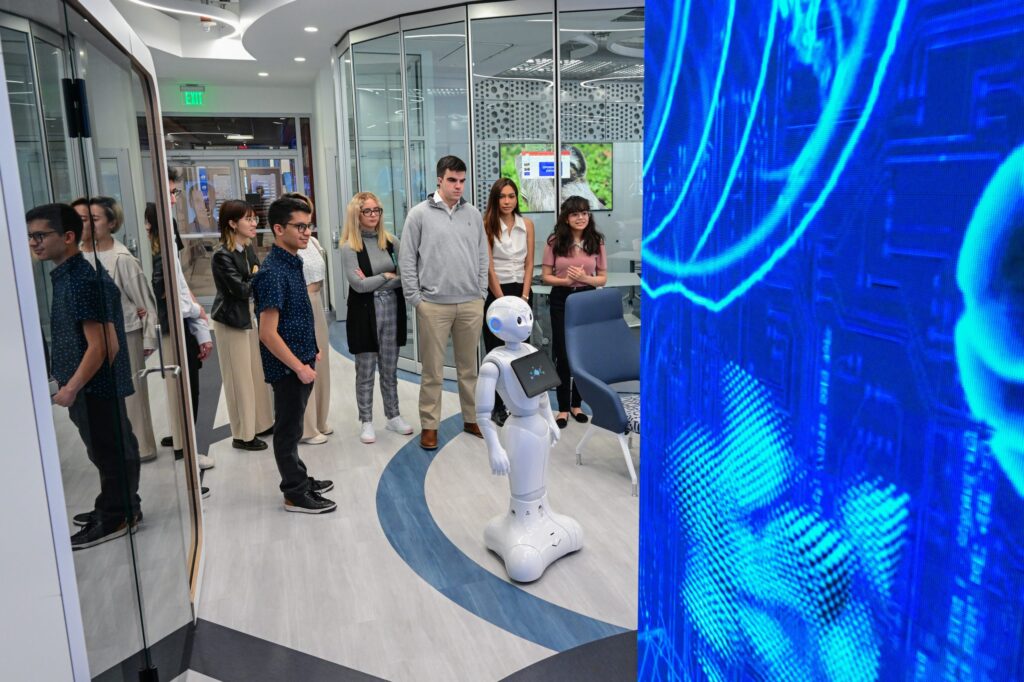
Christian Vivas joined Miami Dade College’s new artificial intelligence program with prior experience using ChatGPT at his creative media studio. Seeking to enhance his AI skills, Vivas discovered new applications beyond email assistance, such as generating images, videos, and marketing plans. “It’s integrated very deeply into our business now,” he stated.
This shift highlights the growing demand for AI skills in diverse fields, including healthcare and hospitality. As the job market evolves, many fear AI’s potential to replace human roles. Evidence suggests entry-level jobs are particularly vulnerable, with a notable rise in unemployment for recent graduates.
According to a global survey, 41% of businesses anticipate workforce reductions due to AI, yet 77% plan to train employees to work alongside AI. Job postings requiring AI skills surged by 323% last year, reflecting the technology’s impact on employment.
In response, colleges are incorporating AI into curricula, with programs like Miami Dade College’s AI certificate program offering courses in machine learning and ethics. Antonio Delgado, the college’s VP of innovation, emphasized the inclusive approach to AI education, making it accessible beyond advanced degrees.
Meanwhile, Miami Tech Works, established by the college, connects tech firms with skilled workers. Companies across sectors are now seeking AI-savvy employees, evidenced by a South Florida hotel integrating AI tools for guest services.
Students like Vicky Cheung, who pursued the AI program after losing her job, find these skills enhance employability. Cheung credits the program for helping her secure a role in process optimization.
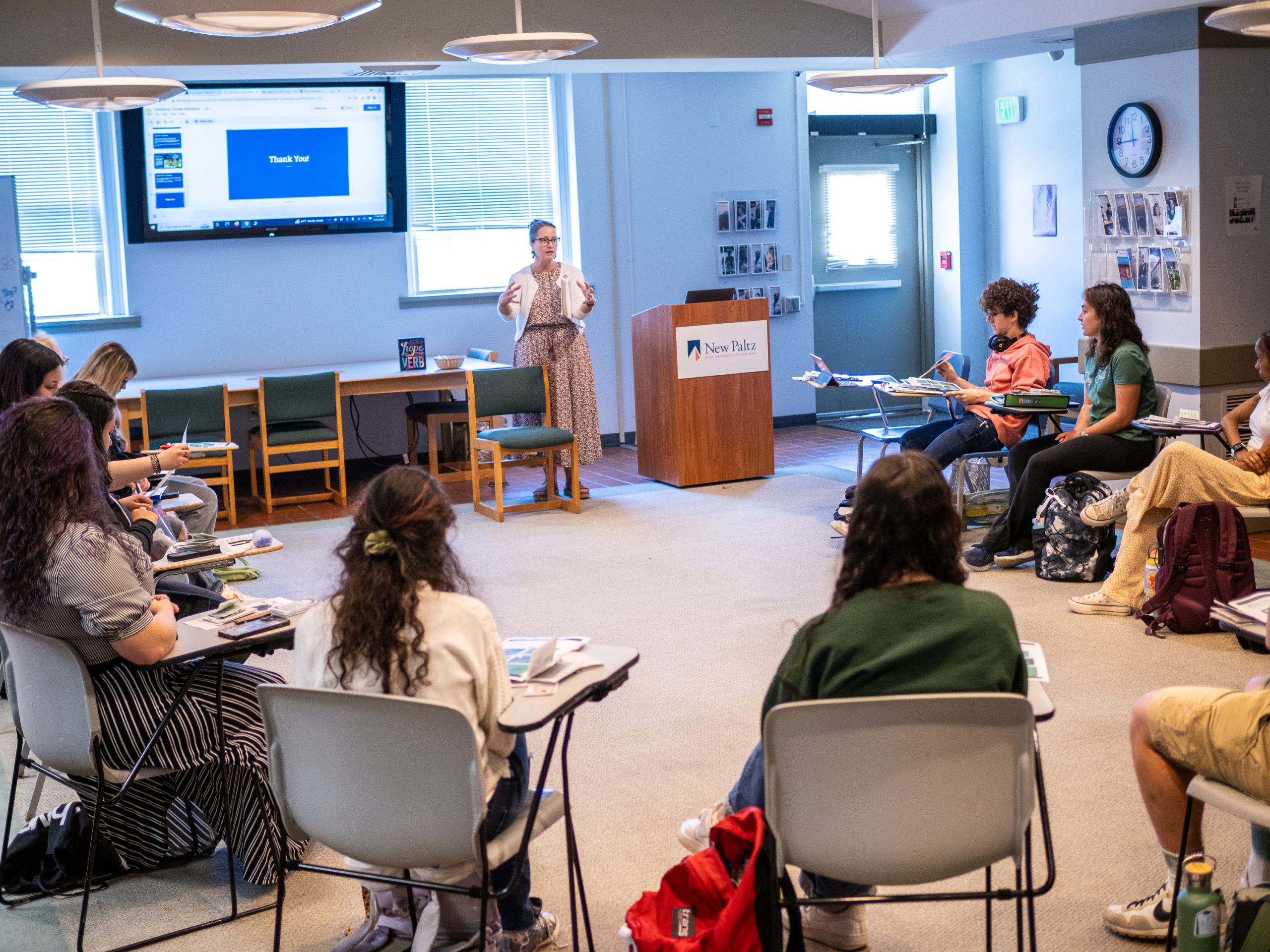
Across the nation, universities are launching AI courses, but the rapid pace of technological advancement presents challenges. Curriculum development struggles to keep up, yet institutions recognize the necessity of AI education for future careers.
Ethical considerations arise too, as AI’s impact on student engagement and critical thinking becomes apparent. Universities are crafting policies to balance AI use with traditional learning methods.
Instructors like James Taylor at The College of New Jersey adapt by conducting in-class writing exercises, while others, such as Derrick Anderson at Arizona State University, incorporate AI into coursework to prepare students for AI-integrated roles.
Employers, including eMed, seek candidates with practical AI experience, as industry-specific credentials remain scarce. Departments using AI report significant productivity gains, underscoring the technology’s transformative potential.
While some fear AI’s impact on job security, Vivas believes it complements human creativity. “It’s not that AI is going to replace them,” he said, “but the person that is using AI is going to replace them.”
—
Read More Kitchen Table News