Arizona Approves Increased Arsenic Levels in Groundwater, Sparking Tribal Backlash
In a decision that has ignited controversy, Arizona regulators have approved a measure allowing higher arsenic levels in the groundwater beneath a uranium mine close to the Havasupai Tribe’s sacred lands. The decision, made on July 6, has faced stern opposition from the tribe who view the approval as a direct threat to their homeland.
Prior to the approval, groundwater scientists urged the Arizona Department of Environmental Quality (ADEQ) to demand more evidence from Energy Fuels Resources, the mine’s owner, demonstrating that the elevated arsenic levels were due to natural occurrences rather than mining activities. Despite these concerns, ADEQ proceeded with the permit, accepting Energy Fuels’ assertion of naturally occurring arsenic levels.
The Havasupai Tribe has been vocal in its disapproval, with a press release stating that the decision is “a profound attack on the Tribe’s inherent responsibility to guard and protect the waters of the Grand Canyon.” Tribal Chairwoman Melinda Yaiva criticized ADEQ’s decision, stating, “Instead, it chose to lower the bar for pollution and weaken environmental protections.”
U.S. Rep. Adelita Grijalva also expressed concern over the decision in a letter to ADEQ, questioning the validity of Energy Fuels’ claims that the arsenic levels are naturally occurring. “Therefore, the company’s claim that these increases are naturally occurring remains unverified,” she wrote.
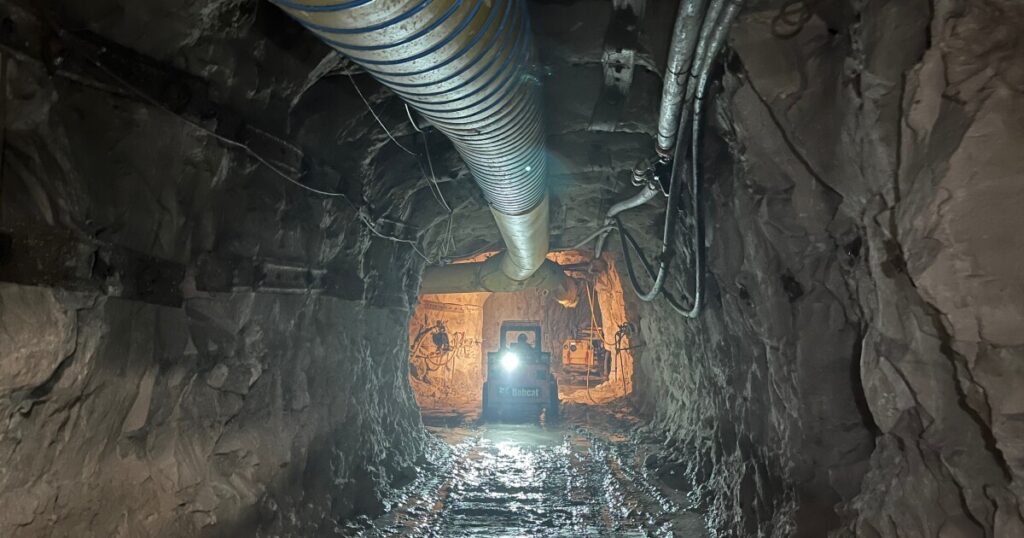
The Pinyon Plain Mine, situated near the Grand Canyon’s South Rim and Red Butte, sits above an aquifer that serves as the Havasupai Tribe’s sole drinking water source. The approved amendment raises the permissible arsenic concentration in groundwater from .050 to .055 milligrams per liter.
Curtis Moore, Energy Fuels’ senior vice president, defended the company’s position in a May interview, stating that the presence of arsenic is due to the mine’s proximity to uranium and other minerals. “It’s not surprising that there are elevated levels of arsenic next to this ore body,” said Moore.
ADEQ, in an emailed statement, acknowledged the tribe’s concerns but emphasized its legal obligation to grant permits when applications meet all technical and legal requirements. “ADEQ does not have the discretionary authority to deny it—the agency is legally mandated to grant the permit,” the statement read.
Despite the approval, the Havasupai Tribe has vowed to continue its efforts to protect their sacred lands, stating, “The Havasu ‘Baaja will continue to pursue every available legal, administrative, and public avenue to protect the Grand Canyon, our sacred homeland, and the waters that sustain life.”
—
Read More Arizona News