City of Williams Takes Action to Address Arsenic Levels in Drinking Water
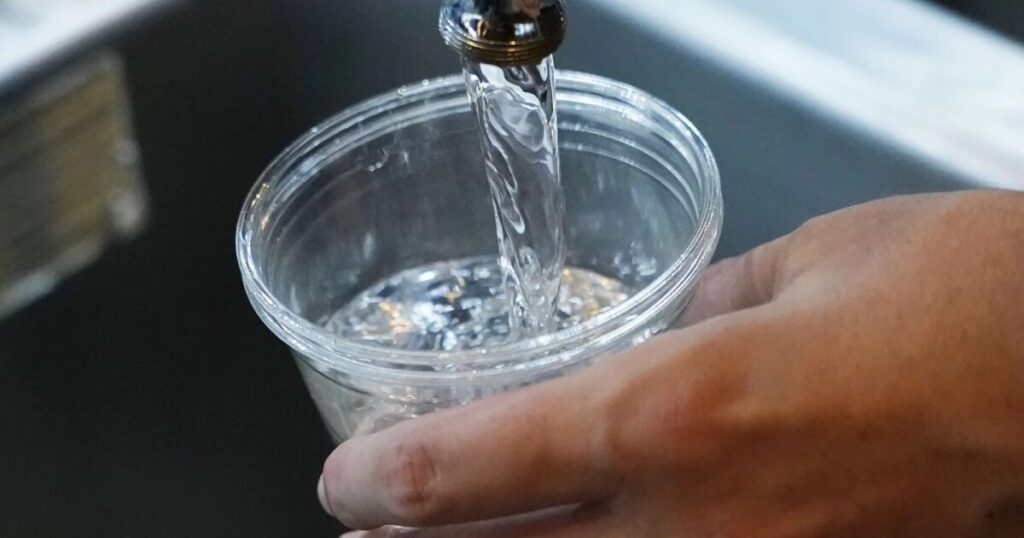
For the past year, residents of Williams have been consuming drinking water with arsenic levels nearly twice the limit set by the U.S. Environmental Protection Agency (EPA). In response, city officials have initiated measures to rectify the issue.
Williams Public Works Director Aaron Anderson stated, “The city has switched water sources to treat surface water and the wells are not in service. We are working on treatment options for the effected wells. The wells will not be used until a suitable removal filter/vessel has been installed and tested.”
On December 10, 2025, a letter was distributed to residents revealing that arsenic concentrations averaged 17 parts per billion throughout the year, exceeding the EPA’s safe threshold of 10 parts per billion.
To mitigate the situation, the city has ceased using the contaminated wells and now sources water from surface intakes at Dogtown Lake, which the Arizona Department of Environmental Quality (ADEQ) confirms complies with all federal standards.
Alma Suarez, an ADEQ spokesperson, assured residents, “At this time, residents can rest assured that they are receiving water that meets all federal drinking water standards including arsenic … On Jan 23, 2026, the city discontinued production from the last remaining groundwater well. The groundwater wells will remain inactive pending ADEQ approval and installation of appropriate treatment prior to reactivation.”
The city’s water system serves over 3,100 full-time residents, and officials assert that the heightened arsenic levels do not pose an immediate threat to the community.
Arsenic naturally occurs in the Southwest’s groundwater due to the region’s geological characteristics. As a “chronic contaminant,” the ADEQ notes that arsenic drinking water standards are designed to safeguard public health over prolonged exposure periods.
Nevertheless, long-term exposure to arsenic, particularly for immunocompromised individuals, may lead to health issues such as skin lesions and cancer.
—
Read More Arizona News