As the Colorado River faces severe drought, a federal agency has released a series of strategic proposals to address water scarcity affecting millions in the Western United States. The plans range from inaction to measures that could lead to significant water reductions for states like California, Nevada, and Arizona.
Five distinct strategies have been outlined, including an innovative approach developed with conservation groups to encourage proactive water conservation efforts among states and users.
Despite presenting these alternatives, the Interior Department is yet to endorse any particular option. These proposals will only be implemented if the seven reliant states cannot devise their own conservation strategy soon.
The guidelines currently governing Lake Powell and Lake Mead, vital components of the Colorado River system, are due to expire in August.
Negotiations among Colorado and six other states have stalled for nearly two years, as they attempt to reconcile water distribution and conservation amidst drought conditions and increasing demands on the river. A recent assembly of key negotiators yielded little progress, with a significant deadline approaching on February 14.
John Fleck, a water policy expert from the University of New Mexico, expressed his concerns to KUNC following a missed deadline in November. He warned that failing to reach an agreement might result in water management disputes being settled in court, a scenario he deemed risky.
“We end up handing off water management responsibilities to courts because we haven’t been able to take charge of our own water management fate in the basin,” he commented. “And I think that would be unfortunate and poses a lot of risks, but that may be the only way, is that courts make us do the right thing [to conserve water].”
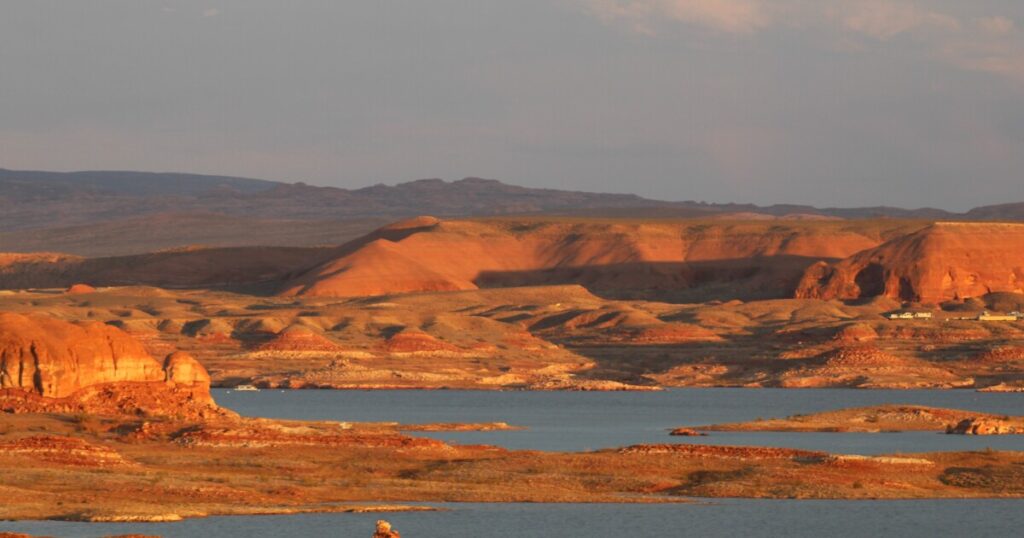
Currently, Lake Powell and Lake Mead are significantly depleted, with capacities at 27% and 33%, respectively.
The Interior Department highlights the challenges posed by 25 years of drought and future dry forecasts in crafting new river management strategies.
“The Department of the Interior is moving forward with this process to ensure environmental compliance is in place so operations can continue without interruption when the current guidelines expire,” stated Andrea Travnicek, Assistant Secretary – Water and Science. “The river and the 40 million people who depend on it cannot wait. In the face of an ongoing severe drought, inaction is not an option.”
A decision on the river’s future management is expected by October 1, aiming to provide certainty to affected communities and stakeholders.
The public can submit comments on the draft plans until early March.
This story is part of ongoing coverage of the Colorado River, produced by KUNC in Colorado and supported by the Walton Family Foundation. KUNC is solely responsible for its editorial coverage.
—
Read More Arizona News