Colorado Faces Record Low Snowpack as Warm Winter Persists
The snowpack across Colorado is facing unprecedented lows, according to recent measurements from over 100 sensors scattered throughout the state. This trend is causing concerns among climatologists and impacting the winter recreation industry.
“There’s not really anywhere in Colorado that’s doing well in terms of snowpack right now,” said Russ Schumacher, Colorado state climatologist, on Wednesday. He noted that approximately one-third of the stations report snow levels at their lowest or second lowest for this time of year.
December’s unusually warm temperatures and a scarcity of snowstorms have kept snowpack levels far below average across the state. The Upper Arkansas Basin in central Colorado is particularly dry, showing only about 49% of the normal snowpack.
One site near Cameron Pass in northern Colorado recorded its lowest end-of-year snowpack since the site began monitoring more than four decades ago, according to Schumacher.
Schumacher remains cautiously optimistic, stating that “there’s still a long way to go” in the winter season. The next few months will be crucial for replenishing the snowpack, which is vital for the state’s water supply.
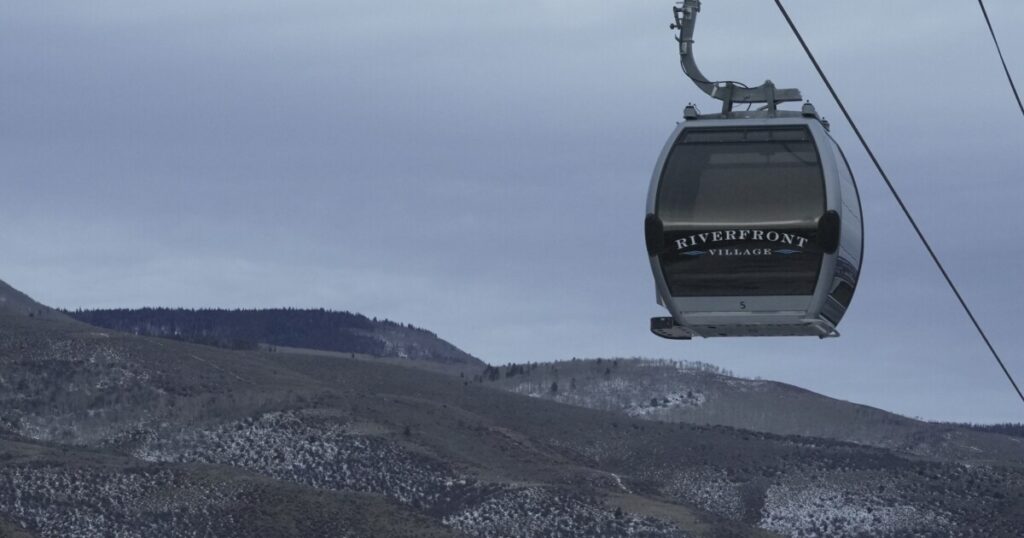
While future storms may help, the current lack of snow is already impacting winter sports. A National Weather Service Meteorologist in Grand Junction told the Summit Daily News that Christmas Day temperatures were 15 to 25 degrees above normal in the mountains. Some ski resorts even experienced rain during the holiday week.
It will take several months to determine if the slow start to winter will significantly impact water supplies. “The snowpack in Colorado’s mountains is hugely important because it’s the water supply for people not just here in Colorado, but in all directions,” Schumacher explained.
Looking ahead, he mentioned that while a significantly above-average snow year appears unlikely, returning to near-average levels remains a possibility. “It’s not going to end up as a way above average snow year here in Colorado,” he said. “I think we can probably rule that out at this point, but getting back to a decent status, or close to average, is at least still a possibility that could happen.”
This story is part of ongoing coverage of the Colorado River, produced by KUNC in Colorado and supported by the Walton Family Foundation. KUNC is solely responsible for its editorial coverage.
—
Read More Arizona News