Colorado River Water Plan Faces Widespread Criticism and Discontent
The Bureau of Reclamation is under scrutiny as it grapples with the contentious task of redistributing the Colorado River’s dwindling water supply. The proposed plan has received over 18,000 comments from various stakeholders, including states, cities, tribal nations, and industry groups, many of whom have expressed significant dissatisfaction.
The plan, which has been criticized for focusing on emergency measures rather than long-term conservation strategies, has not been well received. “The Colorado River reservoir system cannot be stabilized simply by reallocating scarcity,” stated The Nature Conservancy, Environmental Defense Fund, and other groups in their joint comment.
Efforts to reach a consensus among the seven reliant states have faltered, with Arizona and others missing multiple deadlines. The federal Draft Environmental Impact Statement threatens to impose severe cuts by October if an agreement remains elusive.
While the plan’s mandatory cuts predominantly affect Arizona, with reductions as high as 58%, Upper Basin states largely escape mandatory cuts, as they do not depend on water releases from reservoirs. This has spurred criticism from Lower Basin states, which argue the federal proposal overlooks their prior voluntary reductions.
Thomas Buschatzke, director of the Arizona Department of Water Resources, commented that the plan ignores potential reductions in Upper Basin water usage. “The effects of the proposed alternatives fall disproportionately on the Lower Basin,” he noted.
The opposition is not limited to the Lower Basin. Upper Basin states, including Colorado, New Mexico, Utah, and Wyoming, also criticize the plan for overlooking the impact of water releases from their reservoirs and the challenges posed by decreasing snowpack.
Jeffrey Woodruff, chair of the Pitkin County Board of Commissioners, called for revisions to reflect the growing disparities between supply and demand and to protect significant reservoirs like Lake Powell.
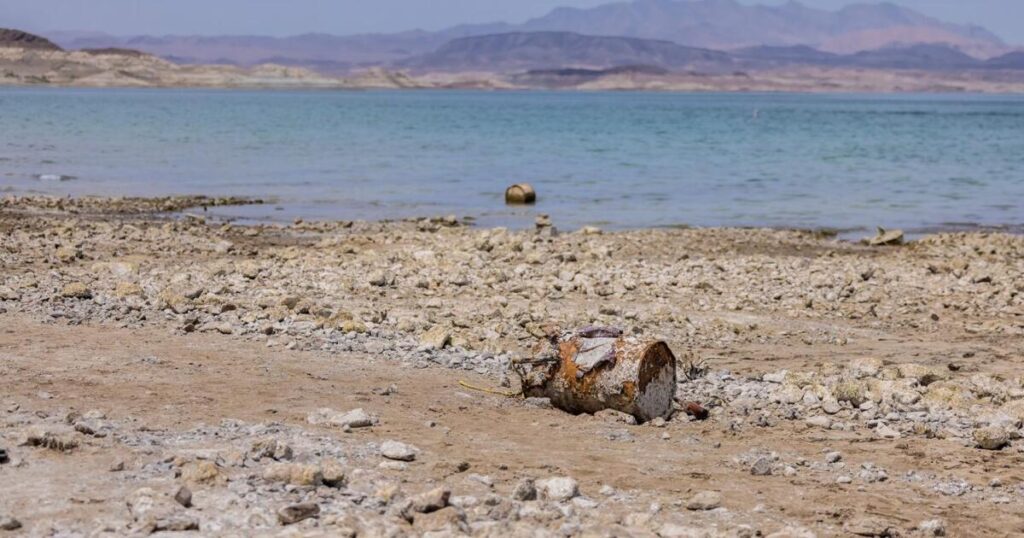
The river, originating from Rocky Mountain National Park and stretching 1,450 miles to the Gulf of California, is essential for dams like the Hoover Dam and Glen Canyon Dam. Despite prolonged droughts reducing reservoir levels, the demand for water has not waned.
A temporary agreement among the states, set to expire at the end of 2026, aims to maintain river flows. However, Lower Basin states push for mandatory cuts on Upper Basin states, citing their own significant usage reductions.
Concerns over drastic cuts have united various stakeholders, including Arizona’s bipartisan congressional delegation. The federal proposal could severely impact sectors ranging from agriculture in Yuma County to Arizona’s semiconductor industry.
In Yuma County, where river water is crucial for the agricultural sector producing most of the nation’s winter vegetables, potential cuts pose a serious threat. The county, responsible for a significant portion of the basin’s crop sales, could suffer substantially despite its water rights being ostensibly protected.
Arizona’s mining industry has voiced concerns over the plan’s impact on high-tech manufacturing, vital for electricity and defense systems. Freeport-McMoRan, a major mining operator, warned of significant disruptions from unplanned water delivery reductions.
The comment period concluded on March 2, with a final version of the plan expected later this year. The cuts will be prioritized in collaboration with relevant Arizona authorities, with the greatest impacts anticipated for non-tribal agricultural sectors.
—
Read More Arizona News