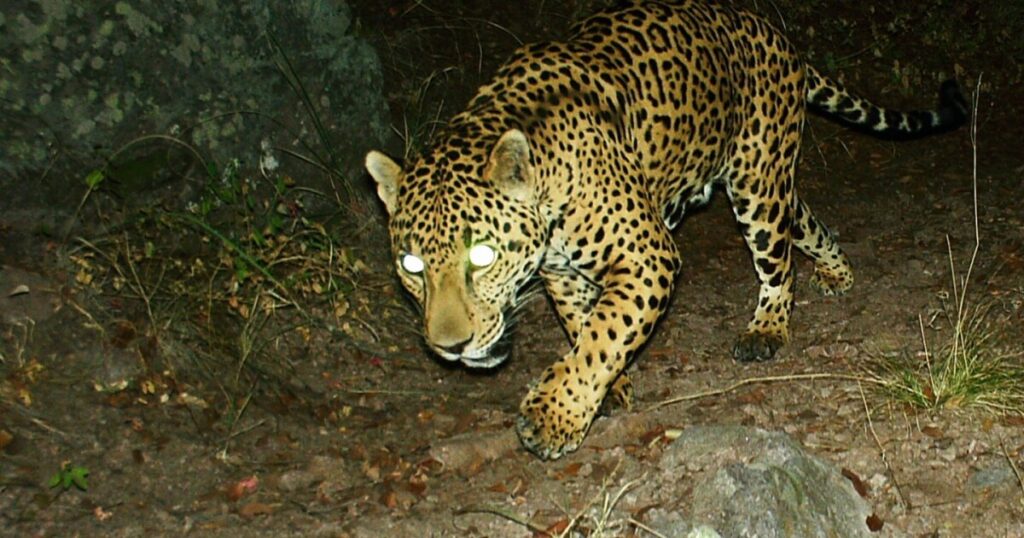
Rare Jaguar Sightings in Southern Arizona Mark a Milestone in Conservation Efforts
After an extended period without any sightings, researchers in Arizona are thrilled to report new encounters with the elusive jaguar in the region. This summer, a male jaguar has been observed five times, reviving hope for the species’ future amid environmental challenges.
The sightings are part of an ongoing effort by the University of Arizona Wild Cat Research and Conservation Center. The project, which began in 2011, trains volunteers in data collection and analysis, focusing on the jaguar’s habitat and environmental DNA to contribute to broader conservation strategies.
According to University of Arizona researcher Susan Malusa, the project has recorded over 200 jaguar detections since its inception. “The center’s work will contribute to management and conservation of endangered species,” Malusa stated, highlighting the importance of these findings in protecting the jaguar’s ecosystem.
The presence of this rare animal is threatened by factors such as border barriers and mining activities, which could disrupt its natural habitat. These sightings underscore the need for ongoing conservation efforts in the region.
In related news, Will Braden, curator of CatVideoFest, continues his unique contribution to feline appreciation. Since 2016, Braden has watched approximately 15,000 cat videos to compile an annual 75-minute presentation for movie theaters nationwide. His business card humorously declares, “I watch cat videos.”
Meanwhile, the Phoenix area, currently home to over 5 million residents, is projected to grow to 7 million by 2050. This population increase poses challenges for local wildlife, leading to more frequent human-animal encounters.
At Hunkapi Farm, equine programs depend heavily on volunteer support and donations, especially during summer when horses require extra care, including electrolytes.
Additionally, a new audio documentary from Boise Public Radio, titled Howl, explores the complex relationship people have with wolves, showcasing the animal’s polarizing nature.
Arizona’s ecosystem also supports both native and migratory birds, with many settling in man-made lakes throughout the state.
—
Read More Arizona News