FDA’s Latest PFAS Study Sheds Light on Food Contamination Levels
In a recent effort to gauge the presence of PFAS in everyday food items, the FDA has published new findings from its research. This study, part of the agency’s Total Diet Study (TDS), examines contaminants and nutrients across various foods, contributing to a growing body of data on PFAS.
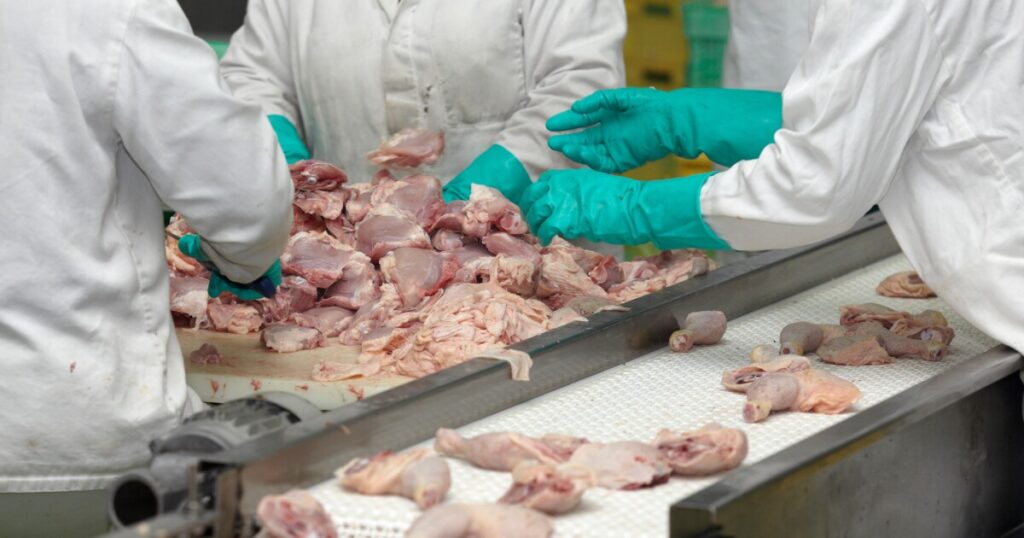
The 2024 study involved testing 542 food samples, including salmon, kale, and chicken breast. Of these, over 92% showed no detectable PFAS levels, while just above 7% had trace amounts. Notably, four out of 39 samples of shrimp, clams, tilapia, and catfish contained higher concentrations of the chemicals.
Continuous testing by the FDA aims to understand the average exposure levels to PFAS and inform future monitoring strategies. Since the inception of sample collection in 2019, 95% of both fresh and processed foods tested have shown no detectable PFAS levels.
According to the FDA, “TDS data can show how much contamination is present and help estimate possible exposure, but they should not be used on their own to decide whether something is safe or harmful to health.”
The Environmental Working Group, a watchdog organization, has urged the FDA to establish enforceable PFAS limits in food and to ban related pesticides. Scott Faber, the group’s senior vice president for government affairs, emphasized the urgency: “The FDA cannot afford to wait one more day to set action levels for PFAS in our food, as other nations have done. For millions of Americans, our food, not our water, is the primary route of exposure to PFAS. Federal action is urgent and long overdue.”
PFAS, synthetic chemicals used in numerous consumer and industrial products, resist natural breakdown and have been associated with health risks, including cancer. Under the Biden administration, the EPA introduced the first federally enforceable PFAS limits in drinking water, although these limits are currently under review by the Trump administration.
—
Read More Arizona News