A new federal medical center, slated to break ground in 2027, is set to transform healthcare access for Native American patients in the Albuquerque area. This long-awaited facility, first promised over three decades ago, will be located on an empty lot between a fire station and a soccer field just outside the city.
Santa Ana Pueblo Gov. Myron Armijo recently guided officials from the U.S. Indian Health Service (IHS) and the Department of Health and Human Services (HHS) on a tour of the site. The planned 235,000-square-foot center aims to deliver comprehensive medical services, including dialysis, diabetes care, and optometry, to Native American communities.
“This will definitely change the game for health care in our area,” Armijo stated.
A Welcome Relief for Overburdened Facilities
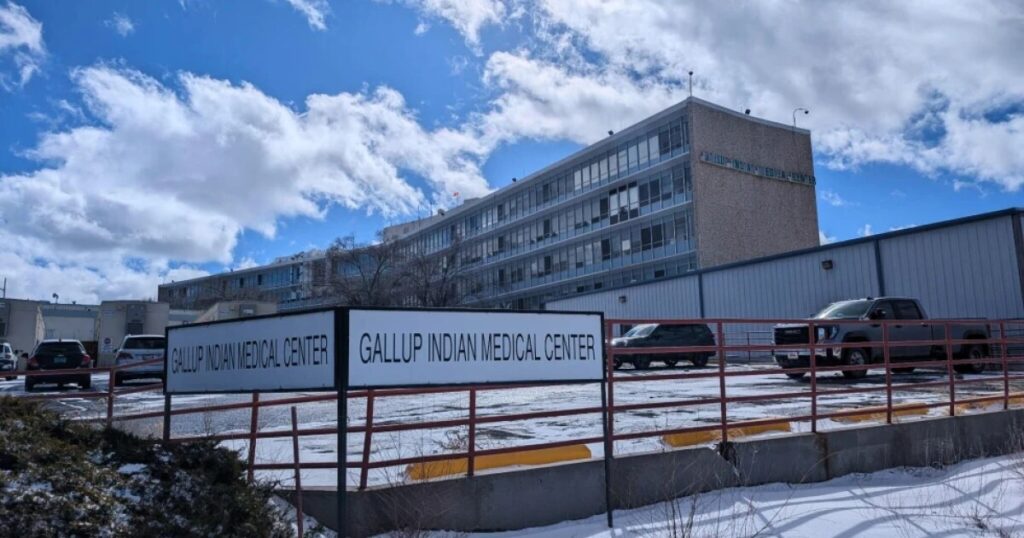
Run by the IHS, the new center is expected to alleviate the strain on the Albuquerque Indian Health Center, a facility originally constructed 90 years ago. Many patients at the aging center have experienced prolonged waits for appointments, highlighting the urgent need for modernization.
The Albuquerque facility is part of a 1993 list identifying over 60 clinics and hospitals for replacement due to age and inadequate capacity. Despite the passage of time, the list remains largely incomplete, with the Albuquerque center and six other projects still pending in Arizona and New Mexico. In February, HHS Secretary Robert F. Kennedy Jr. announced a $1 billion investment to address these delayed projects, with $22 million designated for the Santa Ana Pueblo center. However, IHS estimates an additional $8 billion is required to fulfill the 1993 project list before tackling further construction needs.
The Challenge of Aging Infrastructure
The IHS currently serves 2.8 million Native American and Alaska Native patients across 21 hospitals and 78 smaller health centers nationwide. According to a 2023 U.S. Government Accountability Office report, the average age of these facilities is around 40 years, with one-third in “poor” condition.
Theresa Nelson, a 62-year-old Navajo Nation citizen, shared her experiences with the outdated Albuquerque Indian Health Center. After losing her health insurance, she observed outdated equipment and long wait times for referrals. Despite the IHS’s claim of wait times under 14 days for established patients, Nelson and others report prolonged waits for preventive care.
The Push for Federal Support
Senior HHS adviser Mark Cruz has urged Congress to allocate special funding to expedite the remaining projects, which are at various stages of planning and design. Without this support, it could take another 40 years to complete the priority list. “It’s really unacceptable that we’re still working off of that 33-year-old construction list,” Cruz remarked during the Santa Ana Pueblo visit.
Federal law dictates that the 1993 list must be completed before addressing newer facilities that have deteriorated or are unable to meet growing patient demands. The replacement of the Sioux San Hospital in Rapid City, South Dakota, with the Oyate Health Center, demonstrates the positive impact such updates can have. However, demand at the new center has already surpassed its capacity, highlighting the ongoing challenges faced by IHS facilities.
—
Read More Arizona News