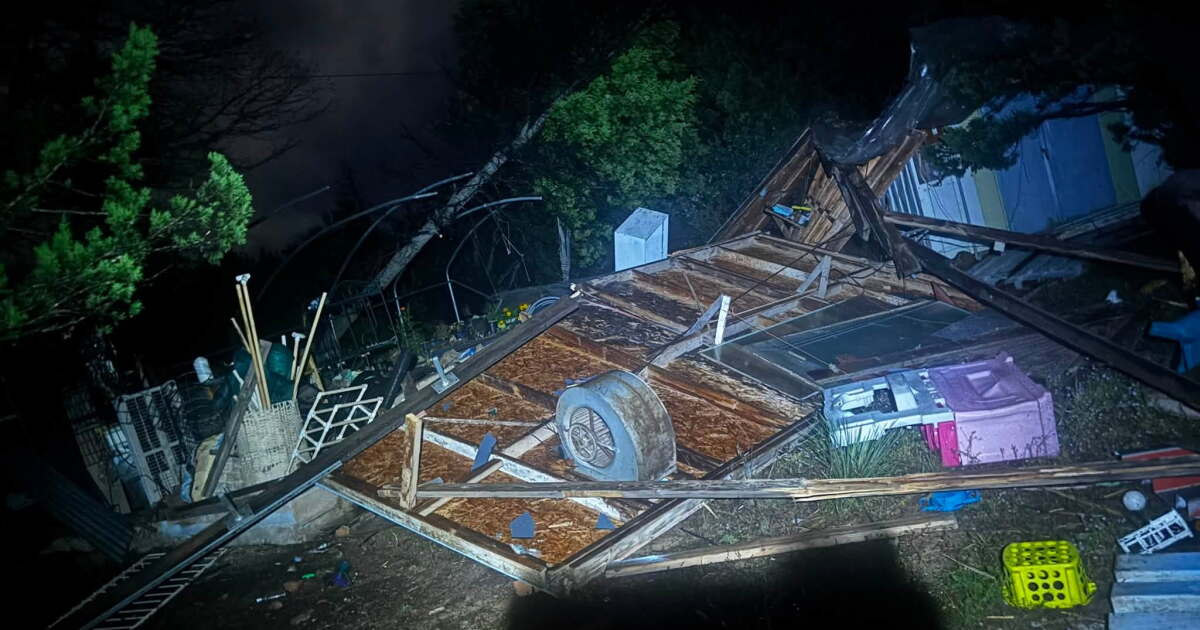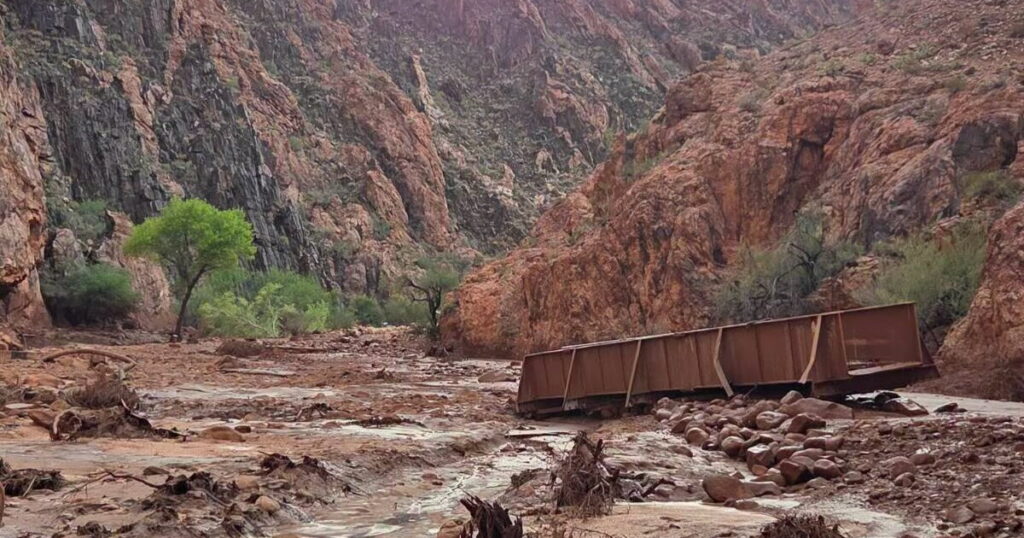
As waters surged through the Grand Canyon’s inner depths, the early warning system for flash floods along the North Kaibab Trail experienced an unexpected failure. The system, crucial for alerting hikers and backpackers of rising waters in the picturesque but treacherous Bright Angel corridor, went offline on Saturday.
The installation of water gauges occurred after last year’s Dragon Bravo Fire, which scorched 145,000 acres on the North Rim, increasing the potential for floods. “That system started to alert us of rising waters. And then shortly after that system went offline as the water progressed down the creek and picked up speed and destructive force,” Grand Canyon National Park deputy superintendent Brian Drapeaux explained during a press briefing at the South Rim.
Drapeaux suggested that debris could have disrupted the system, prompting a forthcoming investigation. Despite this setback, Coconino County Emergency Management confirmed that National Weather Service alerts remained unaffected. These alerts proved vital, ensuring communications reached remote park areas throughout the weekend.
Emergency Management Director Tim Carter stated, “We did send out six messages through that system at the request of both the park service and the National Weather Service starting shortly after noon.” He noted the alert system’s effectiveness, as evidenced by social media posts confirming receipt of messages.
Utilizing satellite technology, the alerts were crucial given the limited cell coverage in the canyon’s remote regions. Tragically, the floods resulted in at least two fatalities and prompted the evacuation of over 80 individuals from the inner canyon. Efforts are ongoing to locate a missing hiker.
Two people are dead and one hiker remains missing following severe flash flooding in Grand Canyon National Park over the weekend.
—
Read More Arizona News