Grand Canyon National Park Set to Reopen Hotels After Waterline Repairs
Visitors to the Grand Canyon National Park will soon find themselves able to stay overnight once more, as accommodations on the South Rim are set to reopen on Wednesday, December 17. This reopening follows a temporary suspension earlier in the month due to a significant break in the crucial Transcanyon Waterline, which disrupted water supply throughout the park.
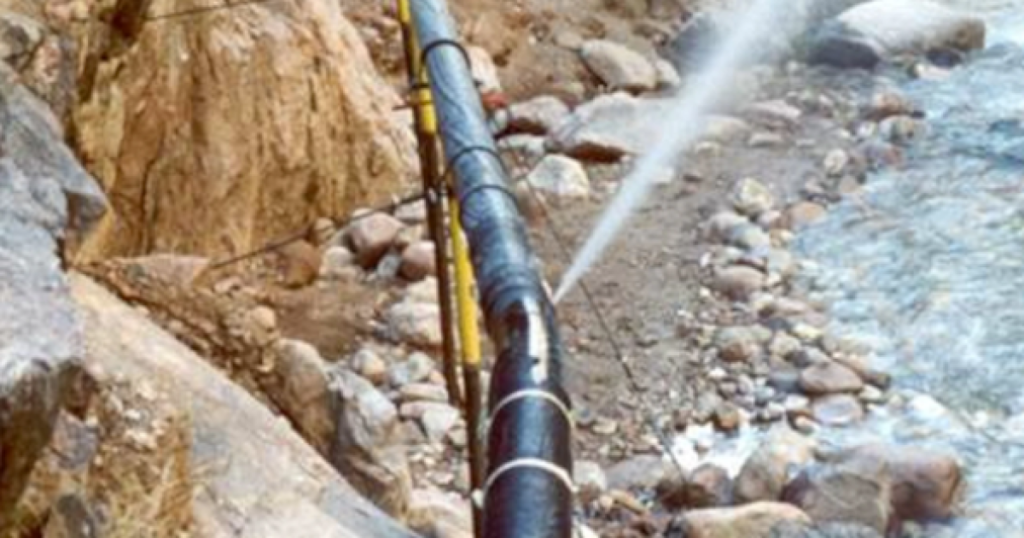
The park’s maintenance crews have successfully repaired the damaged section of the pipeline, with no new issues detected since the fix. As a precautionary measure, water restrictions will continue until the storage tanks on the South Rim are fully replenished.
The temporary closure on December 6 affected several lodgings, including El Tovar, Bright Angel Lodge, Maswik Lodge, Yavapai Lodge, and Trailer Village. With the pipeline repair completed, reservations have resumed for these accommodations.
In support of water conservation efforts, fire restrictions remain in force across the South Rim and within the inner canyon. These restrictions prohibit woodburning, charcoal fires, and campfires. While camping is permitted at Mather and Desert View campgrounds, visitors should note that water spigots will be turned off.
Originally constructed in the 1960s, the Transcanyon Waterline frequently experiences failures, having surpassed its anticipated lifespan. Since late October, the waterline has suffered three major breaks along its 12.5-mile route, which conveys water through the canyon and up to the South Rim.
To address these ongoing issues, the National Park Service is in the midst of a $208 million project aimed at replacing and upgrading the waterline. This extensive effort, already two years underway, is slated for completion in 2027, ensuring a more reliable water supply for the millions of visitors and 2,500 year-round residents the park hosts annually.
—
Read More Arizona News