Escalating Conflict: A Pivotal Blow to Iran’s Leadership
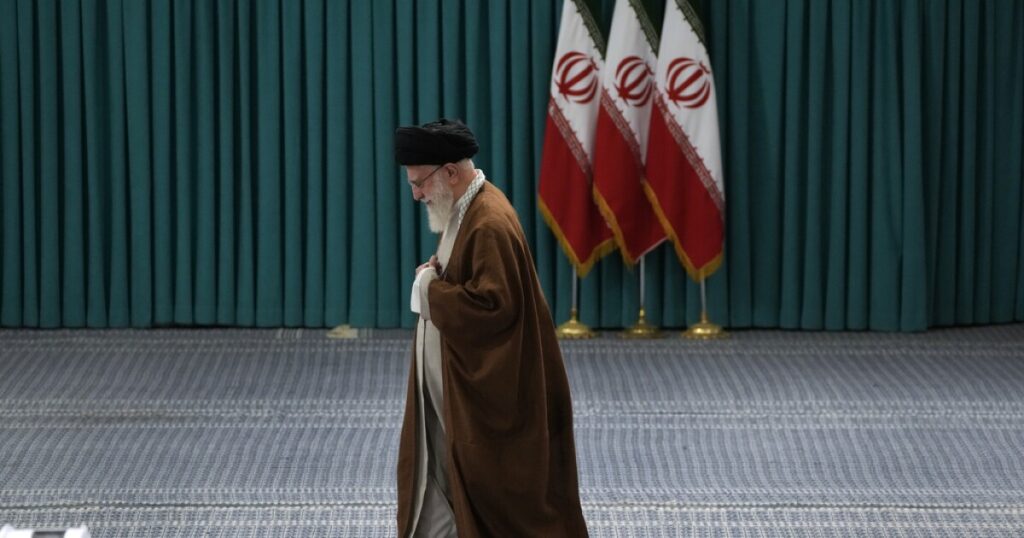
The geopolitical landscape in the Middle East has dramatically shifted following the reported assassination of Iran’s Supreme Leader, Ayatollah Ali Khamenei, amid a significant military operation by Israel and the United States. This development marks a critical juncture for Iran, a nation already grappling with internal strife and international pressure.
According to Israeli officials, the attack resulted in the death of Khamenei, a pivotal figure in Iranian politics since 1989. However, both the U.S. and Iran have yet to officially confirm his status. The absence of a named successor for Khamenei raises concerns about potential instability within the Islamic Republic and the likelihood of retaliatory actions by Iran.
In a televised statement, Israeli Prime Minister Benjamin Netanyahu indicated that there were “growing signs” of Khamenei’s death following Israeli airstrikes on his compound. Israeli sources later confirmed his demise, though they awaited a formal declaration before releasing additional details.
Khamenei, who succeeded Ayatollah Ruhollah Khomeini, wielded significant influence over Iran’s political and military spheres, including its powerful Revolutionary Guard. In the wake of the attack, President Donald Trump addressed the Iranian populace, urging them to seize the moment to challenge their government. He stated, “when we are finished, take over your government. It will be yours to take. This will be probably your only chance for generations.”
The conflict has resulted in significant casualties, with Iranian state media reporting at least 201 fatalities and over 700 injuries. Iran retaliated with missile and drone strikes targeting Israel and U.S. bases, as skirmishes persisted into the night.
The assaults coincided with the holy month of Ramadan, further complicating the situation. Iranian Foreign Minister Abbas Araghchi condemned the strikes as “unprovoked, illegal and absolutely illegitimate,” asserting that Khamenei and President Masoud Pezeshkian were unharmed “as far as I know.”
The crisis unfolds amid a backdrop of escalating tensions over Iran’s nuclear ambitions and the Trump administration’s aggressive stance. The U.S. military reported minimal damage to its facilities, despite enduring a barrage of Iranian missile attacks. The strikes targeted key military and intelligence sites in Iran, with Israel claiming responsibility for the deaths of several high-ranking Iranian officials.
Domestically, the attack may exacerbate Iran’s existing challenges, including a struggling economy and widespread dissent. Recent protests have highlighted the populace’s discontent with the ruling regime, which has been intensified by U.S. sanctions and international isolation.
In a broader context, the conflict threatens to destabilize the region further. Iran’s response has included missile strikes on multiple Middle Eastern nations, indicating a potential escalation beyond its borders. The U.N. Security Council is set to address the situation, while the International Atomic Energy Agency closely monitors potential nuclear implications.
As the international community braces for the fallout, the implications of this unprecedented attack on Iran’s leadership remain uncertain, with potential ramifications for global security and economic stability.
—
Read More Arizona News