Colorado River’s Lower Water Levels Stir Concerns in Rafting Community
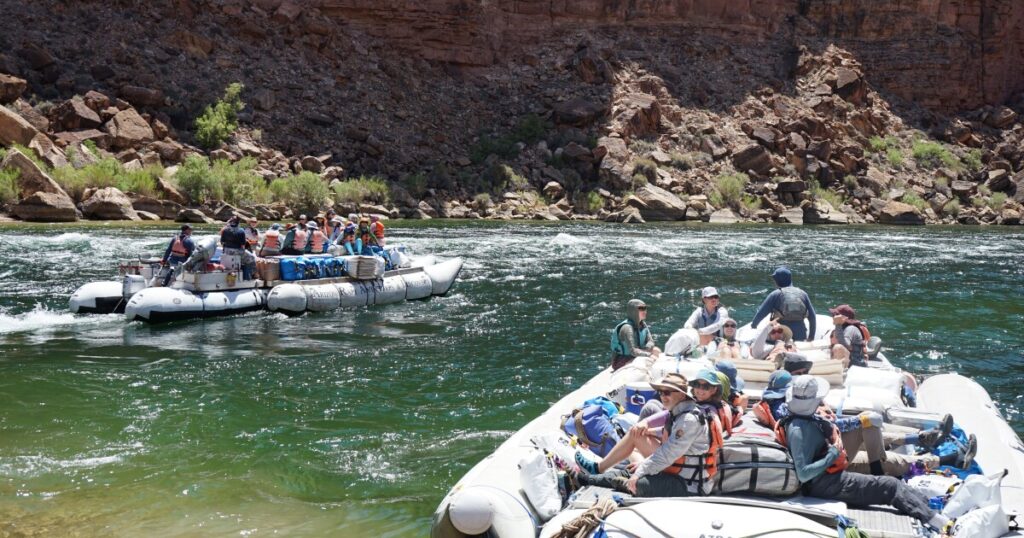
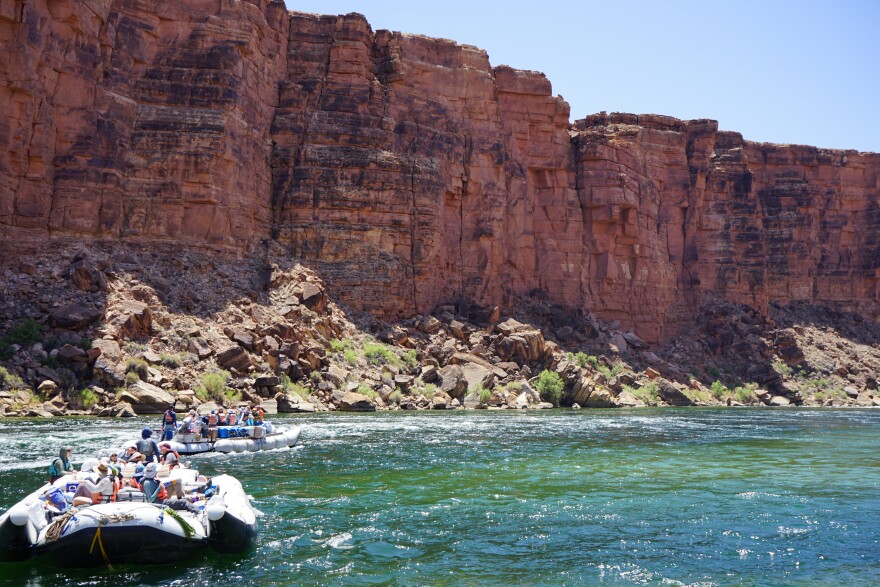
In the early summer heat of late May, Lee’s Ferry, the gateway for rafting adventures down the Colorado River through the Grand Canyon, buzzes with anticipation. This excitement is shadowed by unease over the river’s lower than usual water levels for this season.
Located at the terminus of an asphalt road winding beneath cliffs reminiscent of campfire embers, Lee’s Ferry sees its fair share of sunscreen scents and eager crowds. But this year, the enthusiasm is mixed with apprehension. The West’s unusually dry winter has resulted in diminished water levels in Lake Powell, leading to reduced water releases from Glen Canyon Dam into the Colorado River. This scenario poses uncertainties not only for the millions dependent on the river for water and power but also for the vibrant rafting economy reliant on the river’s flow.
Dennis Smoldt, general manager of Arizona Raft Adventures (AzRA), acknowledges the potential impact on their business, noting a 25% decrease in bookings. Fred Thevenin, one of AzRA’s owners, speculates that the decline might relate to waning interest post-COVID-19 pandemic.
Despite the current levels, which have been lower in past years yet still supported commercial rafting, the long-term outlook remains uncertain. The ongoing 26-year megadrought in the West raises concerns about future water availability.
This day, AzRA guides a group including National Park employees on a comprehensive 225-mile river journey. Linda Cook from the Grand Canyon Conservancy stresses the urgency of addressing the West’s aridification and drought conditions. River guide Mark Streeter, with Grand Canyon Expeditions, echoes these concerns, pondering the implications of potentially much lower river flows.
Upstream Challenges: Lake Powell’s Decline
The situation at Lee’s Ferry is part of a broader issue linked to the dwindling water levels in Lake Powell. Climate change and overuse have severely impacted the reservoir, prompting the U.S. Bureau of Reclamation to reduce water discharges from Glen Canyon Dam to historical lows this year. This measure aims to sustain the dam’s operations and integrity amidst declining reservoir levels.

In addition, a new Colorado River management plan suggests further cuts to the dam’s water releases. Without a consensus among states on water sharing, the federal government plans to implement this management plan to stabilize the Colorado River Basin.
Concerns Extend Beyond the Canyon
In Flagstaff, Scott Davis of Ceiba Adventures shares similar concerns about the future. Although his business has faced minimal impacts from the reduced river flows so far, potential changes to river conditions could pose safety risks and alter the dynamics of the rafting community.

As water levels drop, the challenge of navigating the river increases, particularly for large motorboats. This could lead to more rowboats, altering the pace and logistics of river trips. Despite these challenges, Davis remains hopeful about the adaptability of the rafting community.
“I have a lot of confidence in, you know, the various commercial outfitters, private trip outfitters and science [expeditions] being able to adapt, but it will change,” he says. “It will change the dynamics of everything.”
Continuing Adventures on the Colorado River
Despite concerns, the Colorado River continues to host rafting adventures. As AzRA’s Fred Thevenin embarks on his first trip of the season, the sight of water covering a familiar gravel bar eases his worries. With the river still navigable, the rafting season carries on, embracing the challenges of an uncertain future.
—
Read More Arizona News