A new agreement between the Navajo Nation and the state of Utah is set to redefine the cinematic landscape in Navajoland by promoting economic growth and authentic Indigenous representation in film. This accord, recently established, underscores a longstanding tradition of filmmaking in the iconic region that spans Utah and Arizona.
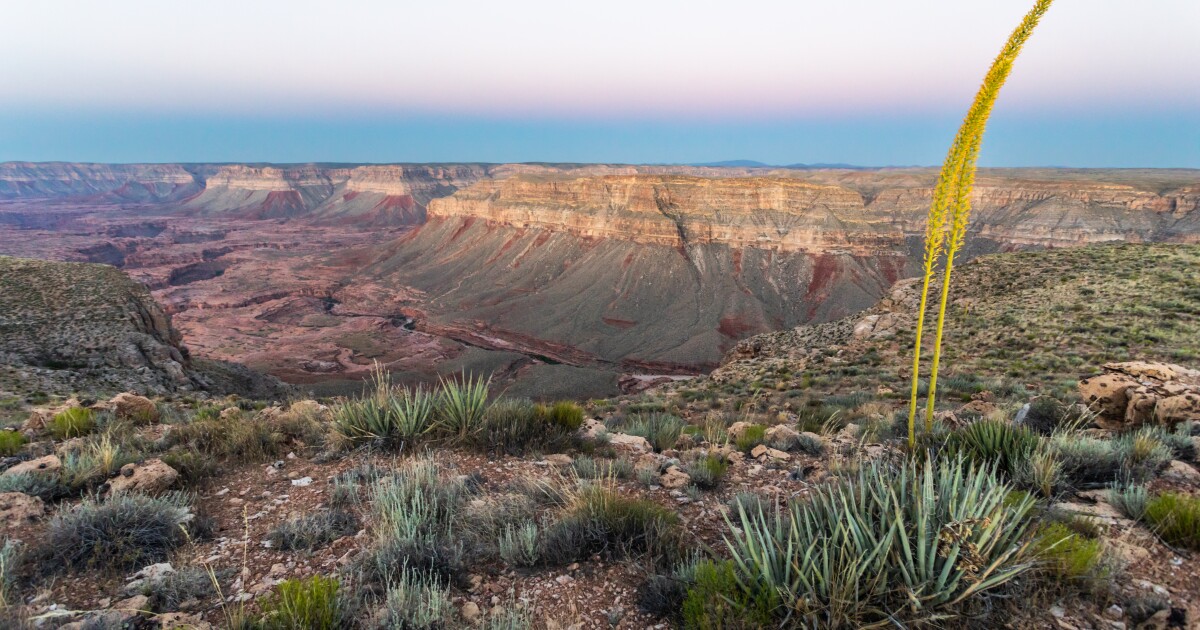
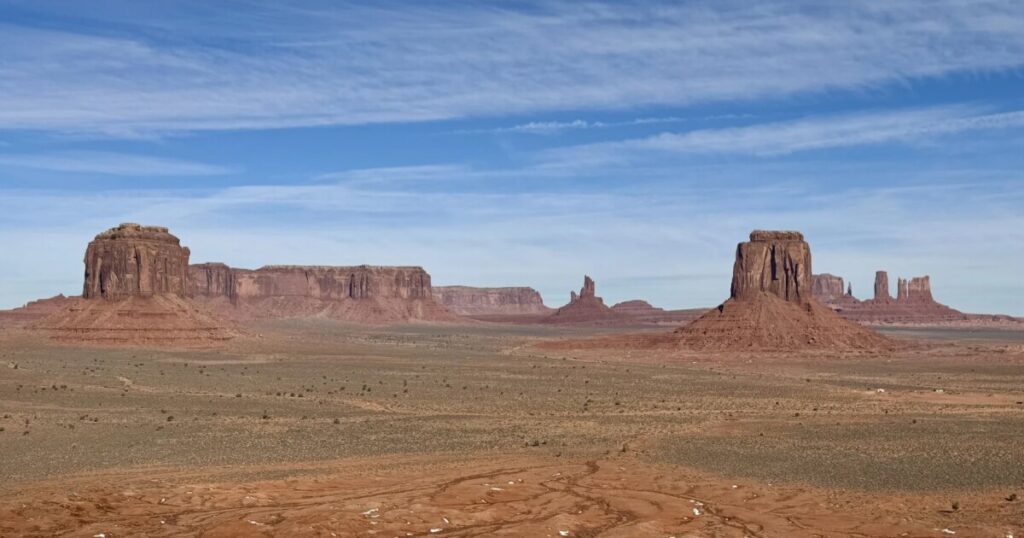
This memorandum of understanding, signed earlier this month, seeks to formalize the cinematic heritage of Navajoland, home to Monument Valley—known as Tsé Bii’ Ndzisgaii by the Navajo, which translates to “the streaks that go around in the rocks.” This 91,696-acre tribal park serves as much more than a movie backdrop; it’s a symbol of cultural and natural significance.
‘This is all we got, and we want to protect it’
Monument Valley, established as the first preserve by the Navajo Nation Council in 1958, is a place where both nature and cinema history converge. The site, managed by the Navajo Nation Parks and Recreation, is home to around 100 Navajos and remains a vivid reminder of the area’s cinematic allure.
Edsel Pete, Diné and program manager for the Navajo Nation TV and Film Office, explained, “If they say no, we tell the film production, no. But that doesn’t mean that we’re going to shut the door on you.” This sentiment is at the heart of the new agreement, which aims to foster a film-friendly environment while preserving the land’s natural integrity.
The Navajo Talent Agent Program is a key component, aiming to cultivate local talent, from crew members to actors, ensuring the environment and tribe’s resources remain unharmed. The focus on sustainability is clear: “Scripts can be changed — the land, not so much.” As Pete further noted, some film production requests, like using helicopters for filming, are simply not feasible due to potential environmental impact.
‘He came to know them’
Monument Valley’s breathtaking scenery draws nearly half a million visitors each year, along with film directors seeking its iconic backdrop. The landscape has featured in numerous Hollywood classics, from “Forrest Gump” to “2001: A Space Odyssey,” and has become synonymous with Western films since the days of director John Ford.
Harry and Leone “Mike” Goulding, owners of a local trading post, introduced Ford to Monument Valley, leading to the filming of “Stagecoach” in 1939. Ford’s fascination with the area resulted in a long-standing relationship with the Navajo people, earning him the honorary title Nataanii Nez, meaning “tall leader.”
Joseph McBride, a Ford historian and professor at San Francisco State University, shared insights from a 1970 interview with Ford, noting the director’s evolving portrayal of Native Americans. “He got more sympathetic,” McBride said, illustrating Ford’s growing appreciation for the Navajo culture and people.
‘It’s a win for the production companies, it’s a win for the tribe’
The memorandum aims to enhance cultural tourism and support film productions in Utah and Arizona, with discussions underway to extend similar agreements to New Mexico. Virginia Pearce, director of the Utah Film Commission, emphasized the mutual benefits of the collaboration, stating, “Monument Valley is for sure one of the most recognizable locations. So many iconic films were inspired by the landscape.”
Ross Rutherford, general manager of Goulding’s Lodge, is optimistic about the opportunities this agreement presents. The lodge, now owned by the Navajo Nation, is central to Monument Valley’s film history. With plans for new cinematic tours, Rutherford sees the agreement as a continuation of Harry Goulding’s legacy of promoting the area’s cinematic potential.
James Lujan, chair of the Cinematic Arts and Technology Department at the Institute of American Indian Arts, highlights the significance of the MOUs, noting, “It’s a win for the production companies, it’s a win for the tribe.” He stresses the importance of training above-the-line talent to ensure Indigenous stories are authentically represented in mainstream cinema.
This story was produced by KJZZ, the public radio station in Phoenix, and published by KNAU as part of the Arizona Public Media Exchange.
—
Read More Arizona News