Prescott Airport’s Ambitious Runway Extension Plan Aims to Enhance Operations
Prescott Airport is embarking on a significant project to modify and extend its main runway, which will accommodate larger aircraft and reduce operational restrictions. The initiative involves removing 1,000 feet from the southern end of runway 3R/21L and extending its length from 7,600 feet to 10,000 feet towards the north.
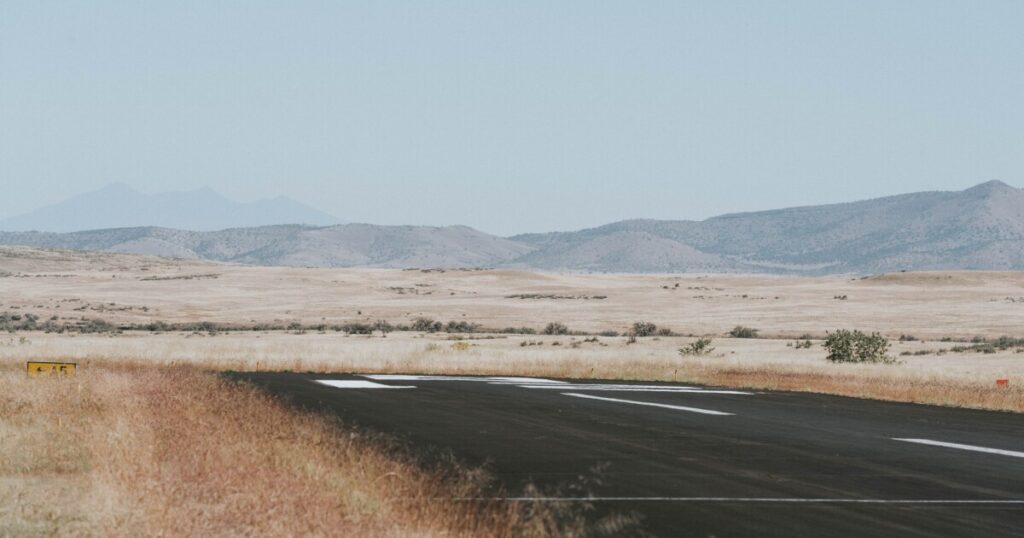
Airport Manager Rick Crider emphasized that the expansion is not solely about accommodating bigger planes. The terrain elevation on the runway’s southern end poses developmental challenges, which the extension seeks to address. “It moves the landing service away from the rising terrain that exists,” explained Crider, highlighting the mountainous nature of the airport’s surroundings.
The southern end of the runway is surrounded by residential areas, a golf course, and State Route 89, including the new Deep Well Ranch housing development. Shifting the runway could mitigate noise impact on these residential zones. “One of the talking points was part of the merit of shifting the runway is that it shifts that noise further away from the residential development,” Crider noted.
In addition to noise reduction, the runway extension addresses operational challenges during the summer. At 5,000 feet above sea level, Prescott Airport experiences reduced air density, which is further exacerbated by warmer temperatures. This affects aircraft performance, prompting airlines like United Express and agencies like the U.S. Forest Service to operate with limited payloads and fewer passengers. “The airline will not fill all the seats,” Crider said, referring to adjustments made based on temperature and time of day.
The Prescott City Council has unanimously approved the runway’s shift and extension, with construction slated for completion on land acquired by the airport in early 2025. However, the project still requires an environmental review and Federal Aviation Administration grant funding.
Crider is optimistic about the project, which he believes will solve multiple issues, including noise reduction and airport development. Despite the anticipated five-year timeline, the airport remains committed to enhancing its infrastructure and operations.
—
Read More Arizona News