California Refinery Closures Raise Concerns of Fuel Shortages in Nevada and Beyond
A series of refinery closures in California is causing apprehension among experts over potential fuel shortages and increasing prices in Nevada and other Western states reliant on California’s fuel supply. California is a major supplier to Nevada, providing around 88% of the state’s diesel and jet fuel needs. However, recent developments have heightened concerns about the future of this supply chain.
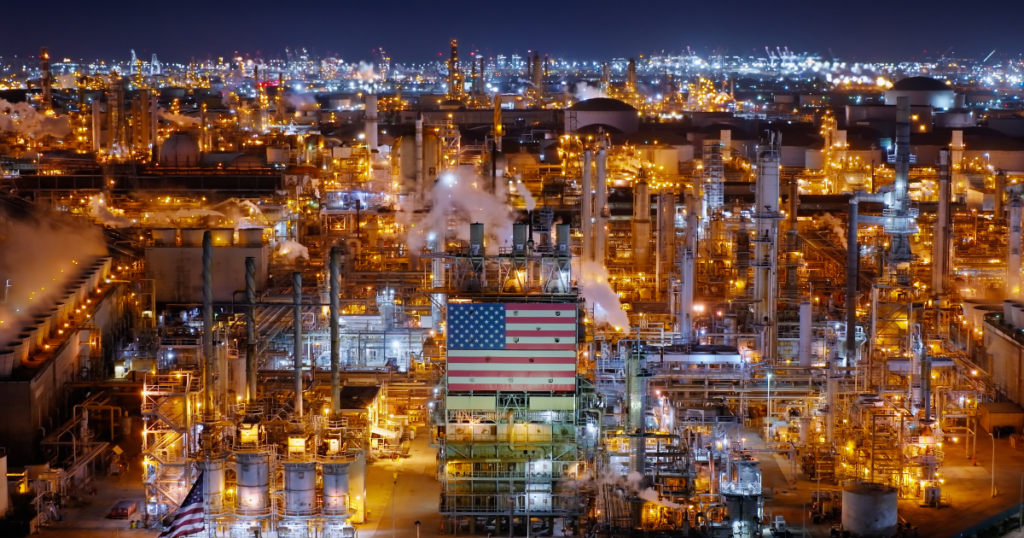
In October, Phillips 66 ceased operations at a refinery located in the Los Angeles area. Additionally, Valero has announced plans to close another refinery in the Bay Area by April 2026. Together, these facilities account for the production of 284,000 barrels of oil per day, constituting about 17% of California’s refining capacity. These closures are part of California’s broader initiative to achieve net-zero carbon emissions by 2045, which includes reducing oil consumption.
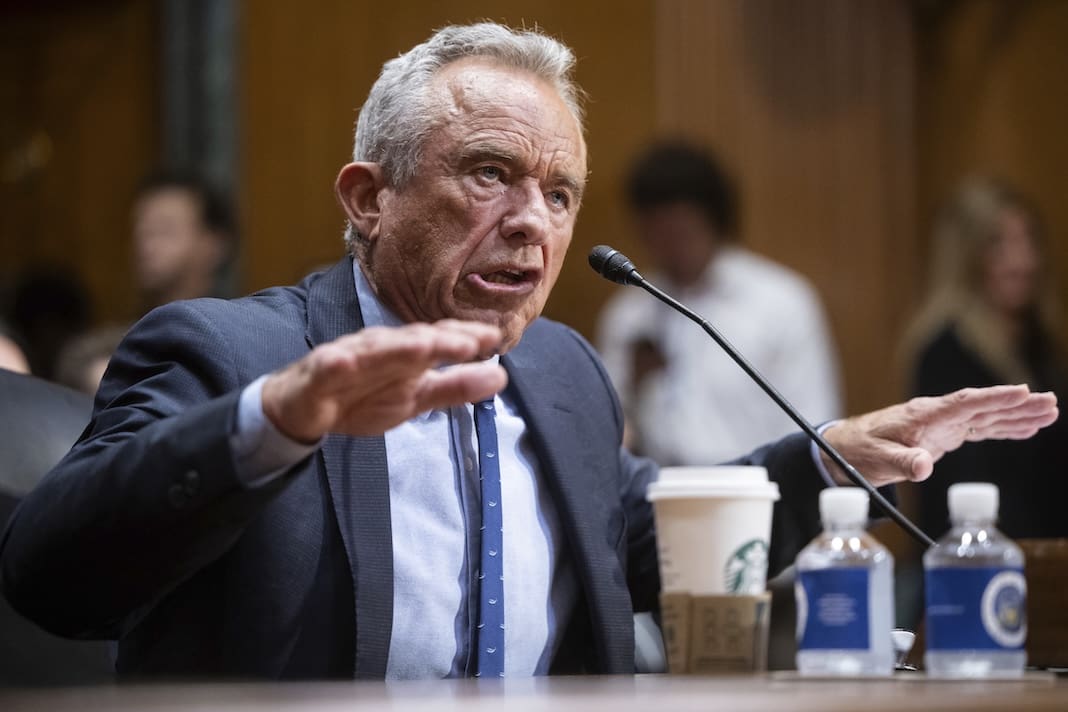
Paul Enos, the CEO of the Nevada Trucking Association, highlighted potential cost implications, stating, “If you limit the supply of fuel coming out of California, you’re going to see that cost increase.” He emphasized the impact of California’s policies on Nevada’s citizens. Governor Joe Lombardo of Nevada has expressed worries about the threat to fuel security, which could affect transportation and emergency services. In response, he has established a fuel resiliency subcommittee to explore long-term strategies for diversifying supply routes and bolstering infrastructure.
Economists like Elliott Parker of UNR suggest that while price hikes may prevent shortages, they could also lead to reduced driving. “You’ve got to get people to drive less if you have less supply,” he remarked.
Pipeline Dependency and Legislative Actions
Nevada is heavily dependent on pipelines such as the CalNev line, which connects Los Angeles with Las Vegas. Other pipelines link the Bay Area to Reno and Salt Lake City to Las Vegas. These pipelines have previously faced disruptions due to wildfires and other emergencies, prompting Nevada to declare states of emergency.
Amid these challenges, California has enacted several laws impacting the oil industry, including measures to monitor price gouging and mandates for electric vehicle sales. In 2024, Nevada Governor Lombardo and Arizona Governor Katie Hobbs urged California Governor Gavin Newsom to ensure regional communication when enacting legislation that could affect fuel supplies in neighboring states.
California’s refinery numbers have dwindled from over 40 four decades ago to an anticipated seven by the end of 2026, driven by high operational costs and regulatory pressures. This reduction aligns with the state’s goals of lowering carbon emissions and encouraging transitions to electric vehicles. Despite the state’s growing population, gasoline sales have decreased.
Economic Impacts and Future Plans
Experts forecast potential fuel price spikes, with some projections as high as $8 per gallon. Nevada, already paying above the national average, could see more significant increases. Nevada sources the remainder of its fuel from Utah, where discussions are underway to potentially adjust gas taxes on exports.
Industry experts like Michael Mische from USC warn of Nevada’s vulnerability due to its reliance on California’s fuel supply. Sinclair Gas has proposed expansions into Nevada, though infrastructure development would take time. Miranda Hoover of the Energy and Convenience Association of Nevada anticipates that consumers will feel the impact by next summer, stating, “It’s very scary for consumers, businesses (and) families working on a tight budget.”
Low-income households and small businesses, typically more affected by price increases, are particularly vulnerable. Caitlin Gatchalian from the Southwest Energy Efficiency Project noted that these closures highlight Nevada’s fuel system vulnerabilities.
The fuel resiliency subcommittee aims to explore infrastructure expansion, emergency response policies, and faster permitting processes. However, substantial increases in Nevada’s oil production are unlikely due to limited crude oil reserves.
Sinclair Gas is considering pipeline expansions that could alleviate Nevada’s fuel challenges. The company’s plans include a multiphased expansion that might help mitigate future supply issues.
—
Read More Arizona News