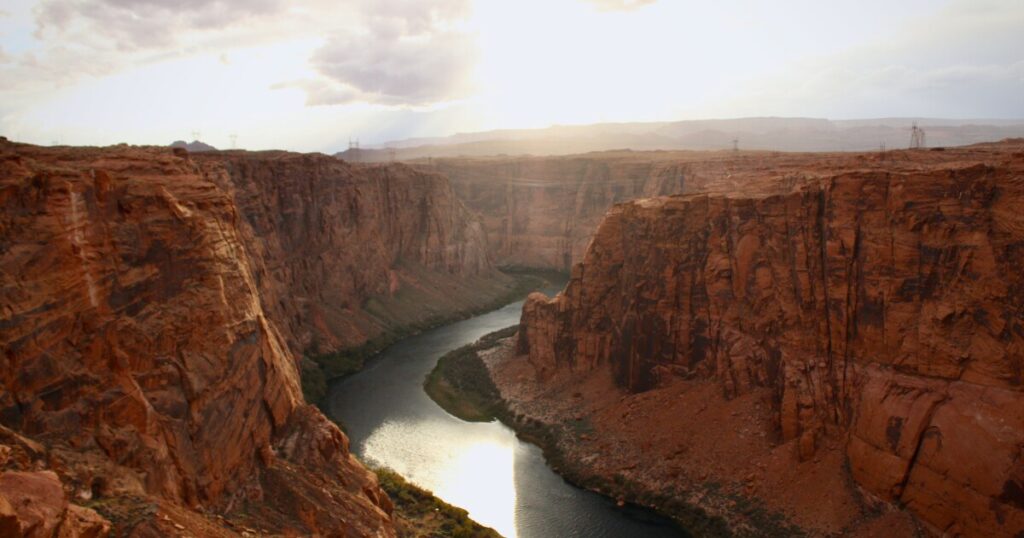
The future of the Colorado River is under intense scrutiny as seven basin states work towards a crucial water management agreement. After a brief pause in discussions, negotiations resumed on March 2, based on a proposal from Nevada that could alter water usage and distribution among the states.
Estevan López, New Mexico’s water negotiator, highlighted that the talks are now centered on a short-term proposal from Nevada. This proposal suggests increasing water releases from upper basin reservoirs, such as Flaming Gorge, by at least 500,000 acre feet. The goal is to prevent Lake Powell from reaching critically low levels that could halt hydropower production by December.
In exchange, the lower basin states would agree to reduce their water consumption by 1.25 million acre feet until conditions improve significantly. López also mentioned that upper basin states have developed a counter proposal, with further discussions scheduled.
“The hydrology right now is incredibly dire,” López stated. “We anticipate a release of half a million acre feet from Flaming Gorge to prop up Lake Powell during this water year.”
The U.S. Interior Department is currently reviewing numerous public comments on various management strategies for the Colorado River. These strategies, published in January, could lead to significant changes, including reduced water allocations for lower basin states or new conservation incentives.
With two deadlines already missed, there’s a growing possibility that the federal government will need to establish its own plan before the expiration of the current guidelines in the fall. Meanwhile, the water supply forecast remains bleak, with record low snowpack levels across the Western U.S.
Cody Moser from the federal Colorado Basin River Forecast Center reported that only 2.3 million acre feet of water are expected to flow into Lake Powell by July, marking a significant shortfall compared to the average. “You’ll notice it’s not a pretty picture here with lots of reds,” Moser commented, referring to the forecast map indicating below-normal water levels.
As the July deadline approaches, New Mexico’s Interstate Stream Commission expects the Interior Department to propose a preferred management strategy for the river. The current operating guidelines for vital reservoirs like Lake Powell and Lake Mead are set to expire this fall.
This article is part of KUNC’s ongoing coverage of the Colorado River, supported by the Walton Family Foundation. KUNC retains full editorial responsibility.
The National Weather Service reports a record-setting temperature was recorded near Martinez Lake along the Arizona-California border.
—
Read More Arizona News