The Historical Journey of Sheep Herding in Arizona
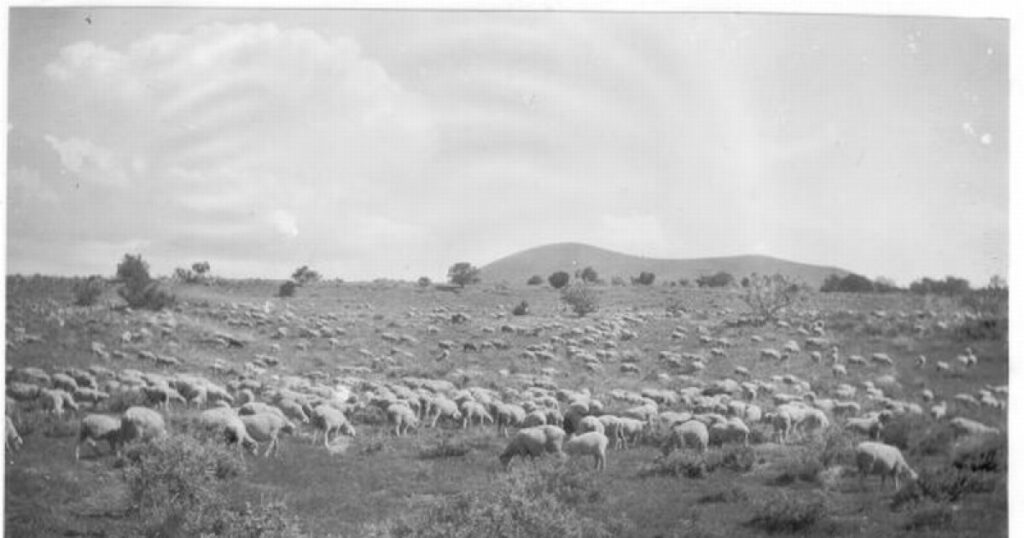
For centuries, sheep herding has been an integral part of Arizona’s cultural landscape, evolving significantly since its inception. The practice, which commenced in the 1600s with the Navajos, saw a notable transformation in the 1870s with the introduction of Anglo-Mexican traditions. As spring unfolded, herders embarked on a three-week journey, guiding thousands of sheep northward to the Colorado Plateau to take advantage of summer pastures.
In an effort to minimize conflicts with cattle ranchers, the Arizona Wool Growers Association instituted specific trails for sheep in 1896. These designated routes, some stretching up to six miles wide, were used twice yearly for over a century. The paths were carefully regulated with permits and overseen by driveway inspectors. Cordes Junction emerged as a key location during this era, serving as a central hub for shearing and dipping sheep.
Though the official status of many of these driveways was annulled in 1982, the U.S. Forest Service continues to manage a select few that remain within forest territory. Once sheep reached their designated grazing lands, they typically remained there for a duration of five to ten days before moving on to another location.
Traditional sheep herding operations were composed of a herder, a camp tender known as a “Campero,” and sheep dogs. At each temporary camp, herders would prepare meals using Dutch ovens. Evidence of these campsites, often characterized by low, curved rock walls for fire protection, can still be discovered today.
Contrary to widespread belief, the majority of Arizona’s sheep herders were not Basque. While Basque individuals did participate in the industry from the late 1800s, the primary herders were of Navajo or Mexican descent until changes in immigration laws during World War II permitted more Basque workers to enter from Spain and France.
This Earth Note was composed by Diane Hope and produced by KNAU along with the Sustainable Communities Program at Northern Arizona University.
In related infrastructure developments, a wildlife bridge on Interstate 17, located south of Flagstaff, is anticipated to significantly enhance safe passage for elk, deer, and other wildlife. This bridge aims to reduce the frequency of wildlife-related accidents on the highway.
—
Read More Arizona News