Arizona’s Secretary of State Faces Legal Battle Over Voter Data Dispute
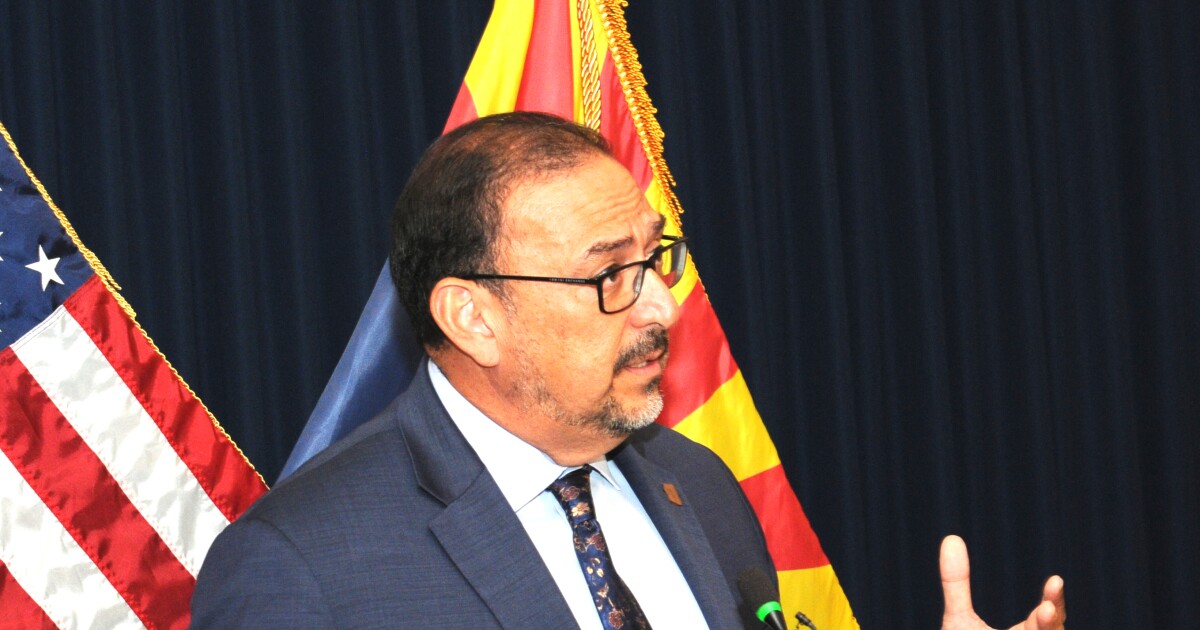
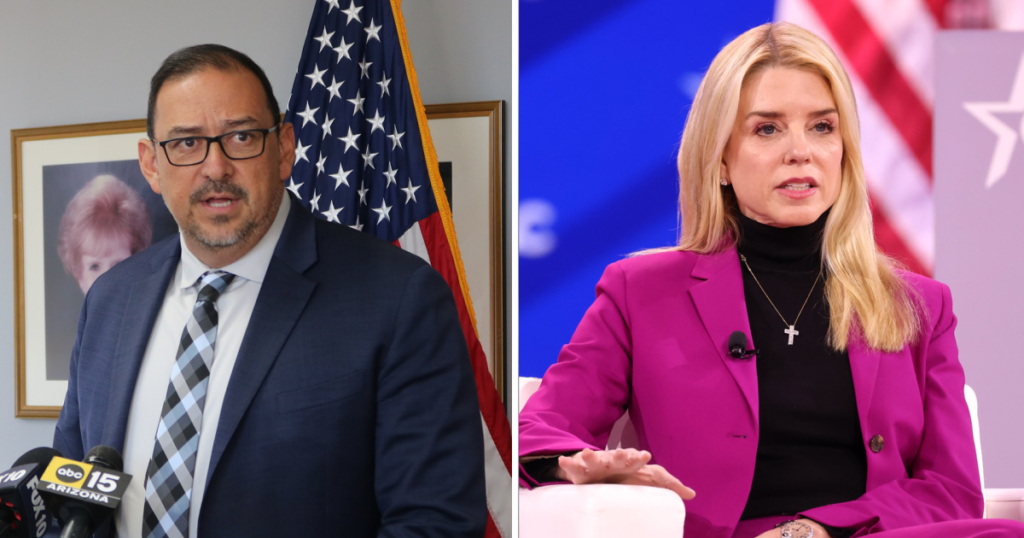
In a significant legal clash, the Trump administration has filed a lawsuit against Arizona’s Secretary of State, Adrian Fontes, over his refusal to release voter registration and election records. This lawsuit underscores ongoing tensions between state and federal authorities regarding voter data transparency and privacy.
The U.S. Attorney General’s Office, led by Pam Bondi, asserts its authority to ensure compliance with federal election laws, including the maintenance of accurate voter registration lists. Harmeet Dhillon, Bondi’s assistant attorney general, emphasized the necessity of acquiring specific voter data to fulfill these obligations.
The requested information comprises a comprehensive list of voter details, including names, birth dates, addresses, and driver’s license or Social Security numbers. However, Fontes has denied this request, citing state and federal privacy laws that he claims prevent the disclosure of such sensitive information.
Dhillon is now seeking a federal court order from Judge Susan Bolton to compel Fontes to comply with the data request, arguing that his refusal breaches the federal Civil Rights Act. The Department of Justice has already initiated lawsuits against 23 states for similar issues, with Bondi stating, “Accurate voter rolls are the foundation of election integrity.”
Fontes, however, remains defiant. “I don’t necessarily want to go to jail,” he remarked, “but I’m willing to go to jail.” He further expressed skepticism about the administration’s motives, suggesting a lack of clear justification for the data request.
The legal standoff revolves around the National Voter Registration Act and the Help America Vote Act, which mandate states to maintain accurate voter registration systems. The 1960 federal Civil Rights Act is also central to the debate, requiring the preservation of voter records for 22 months post-election.
Fontes argues that disclosing the requested information would violate the Privacy Act of 1974 and expose individuals to identity theft, stating, “We’re not going to do that. Part of my job is to protect this sensitive information.”
Meanwhile, a separate ruling by U.S. District Court Judge Michael Liburdi has allowed a private foundation to pursue its demand for related voter records from Fontes. The court acknowledged the foundation’s interest in assessing Arizona’s compliance with its voter registration obligations.
This ongoing legal saga highlights the complex interplay between federal oversight and state privacy concerns in the realm of voter data management.
—
Read More Arizona News